


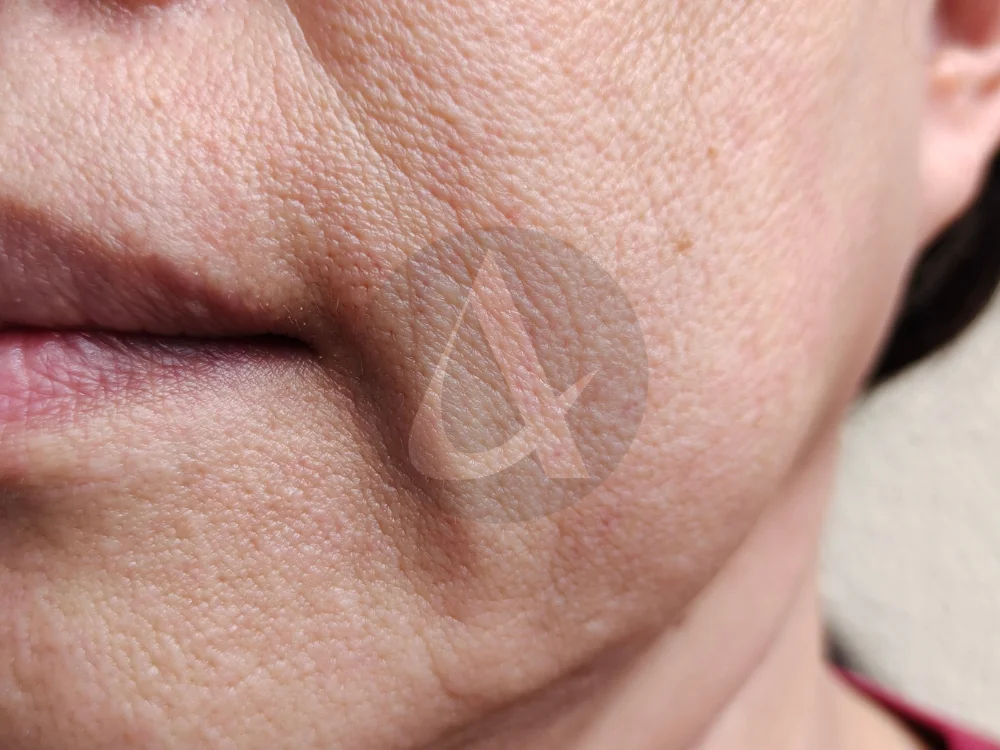
Smile lines, or nasolabial folds, are creases running from the sides of the nose to the corners of the mouth. Caused by aging, collagen loss, and repeated facial expressions, they can be reduced naturally with retinoids and sunscreen, or corrected professionally using dermal fillers, Botox, and laser resurfacing to restore youthful skin volume.
Quick Summary
The Cause: Smile lines are natural creases deepened by a loss of collagen, sun damage, and a lifetime of happy facial expressions.
The Fix: Natural remedies (retinol, massage) soften mild lines, while clinical treatments (fillers, lasers) offer dramatic, instant volume.
The Investment: Dermal fillers are the gold standard for immediate results, lasting 6 to 18 months depending on the product used.
Smile Lines: Causes, Treatments, and How to Reduce Them
We wear our emotions on our faces, and a lifetime of laughter, smiles, and joy eventually leaves its mark. While smile lines are a beautiful sign of a life well-lived, it is completely normal to want to soften them if they make you look older or more tired than you feel.
Here is your comprehensive guide to understanding, preventing, and treating smile lines using advanced dermatology, targeted clinical skin care, and non-invasive cosmetic procedures.
What Are Smile Lines?
Smile lines, medically referred to as nasolabial folds or marionette lines (depending on their exact location), are the vertical creases that originate at the sides of the nose and curve down around the corners of the mouth.
While they are most prominent when you actually laugh or smile (dynamic wrinkles), over time, these dynamic lines can become static wrinkles—meaning they remain visible as permanent lines even when your face is completely at rest. They are often accompanied by perioral lines (smoker’s lines) around the lip border and parentheses lines framing the mouth.
What Causes Smile Lines?
Understanding why smile lines form is the first step toward effectively treating them. It is rarely just one thing; rather, it’s a combination of time, biology, and environment affecting your overall skin health.
Aging and Collagen Loss
As we age, our skin’s natural production of collagen and elastin slows down. These two proteins act as the mattress springs for your skin, keeping it bouncy and firm. Without them, structural support diminishes, the skin thins, and it succumbs to gravity. This causes the malar fat pads (cheek fat) to deflate and sag downward, deepening the folds around the mouth.
Sun Exposure and Skin Damage
Ultraviolet (UV) radiation from sun exposure is the ultimate enemy of youthful skin, generating harmful free radicals. Chronic exposure breaks down collagen and elastin fibers at an accelerated rate through a process called photoaging. This weakens the skin’s structural integrity, making creases set in much faster and causing premature aging.
Facial Expressions and Genetics
The very act of smiling, laughing, and talking trains the facial muscles to form these creases through repetitive muscle movement. Genetics also play a massive role—your inherited bone structure, your natural facial anatomy, and your baseline skin elasticity dictate how early and deep your smile lines will be. For some individuals, smile lines in young adults can appear as early as their 20s due to genetic predispositions.
Lifestyle Factors That Worsen Smile Lines
Several daily habits can aggressively accelerate skin aging and deepen smile lines:
Smoking: Nicotine constricts blood vessels, starving the skin of vital oxygen and nutrients while actively destroying collagen.
Dehydration and Poor Diet: A lack of water and high-sugar diets lead to advanced glycation end-products (AGEs), which stiffen skin fibers.
Sleep Deprivation: Pressing your face against a cotton pillowcase night after night can mechanically etch sleep lines into your skin.
Rapid Weight Loss: Losing volume quickly can cause the cheeks to deflate, making deep smile lines and sagging skin more prominent.
Difference Between Smile Lines and Nasolabial Folds
While often used interchangeably, there is a slight technical difference between these terms and other facial wrinkles:
| Feature | Smile Lines (Perioral Wrinkles) | Nasolabial Folds | Marionette Lines |
| Location | Directly around the lips and corners of the mouth. | The deep groove running from the edge of the nose to the mouth. | Lines running downwards from the corners of the mouth to the jawline. |
| Primary Cause | Repetitive muscle movement and surface skin thinning. | Sagging cheek fat pads, mid-face volume loss, and structural bone loss. | Gravity, loss of skin elasticity, and downward muscle pull. |
| Best Fix | Skincare, Botox, light fillers, microneedling. | Deep dermal fillers, mid-face lifting, HIFU. | Target fillers, neurotoxins, thread lifts. |
How to Reduce Smile Lines Naturally
If your lines are just starting to show, or if you prefer an at-home, non-invasive approach, you can soften their appearance naturally.
Skincare Ingredients That Help
Look for clinical-grade topical treatments and skin care products designed to boost hydration, improve skin texture, and stimulate cell turnover:
Retinoids (Retinol / Tretinoin): The gold standard vitamin A derivative for stimulating collagen production and smoothing texture.
Hyaluronic Acid: A potent humectant that draws moisture into the skin, instantly plumping up fine lines and restoring skin hydration.
Vitamin C: A powerful antioxidant that neutralizes free radicals, protects against UV damage, and aids in collagen synthesis.
Peptides & Growth Factors: Amino acids that act as cellular messengers to firm up sagging skin and support the skin barrier.
Chemical Exfoliants (AHAs/BHAs): Glycolic acid and lactic acid remove dead skin cells, enhancing the absorption of anti-aging creams.
Facial Exercises and Massage
Using a Gua Sha tool or your fingertips to perform daily lymphatic drainage and face yoga can ease chronic muscle tension. Focus on upward strokes along the cheekbones to stimulate blood circulation and lift the mid-face area naturally.
Lifestyle Changes for Healthier Skin
Simple shifts can yield massive long-term preventative results:
Switch to a silk or satin pillowcase to reduce friction and mechanical creasing on your face.
Stay rigorously hydrated (aim for 2–3 liters of water daily).
Wear a broad-spectrum SPF 50+ daily, even when it is cloudy or you are indoors, to prevent future photoaging.
Best Non-Surgical Treatments for Smile Lines
When topical skincare isn’t quite enough, modern aesthetic medicine and medspa treatments offer highly effective, minimally invasive cosmetic procedures.
Dermal Fillers for Smile Lines
Injectable dermal fillers are the gold standard and most popular solution for instant results. Typically formulated from Hyaluronic Acid (like Juvederm, Restylane, or the flexible RHA collection) or collagen biostimulators (like Sculptra or Radiesse), these injectables restore lost volume. Instead of filling the line directly, a skilled injector will often place filler high in the cheeks to lift the skin up and away from the mouth, restoring natural youthful contours.
Botox for Fine Lines Around the Mouth
While neurotoxins like Botox, Dysport, and Xeomin relax muscles and are great for forehead lines, they must be used very cautiously around the mouth to avoid affecting your natural smile. However, micro-doses of Botox can be used to soften superficial fine lines around the lips and relax the muscles that pull the corners of the mouth downward.
Laser Treatment and Skin Resurfacing
Fractional CO2 lasers, Erbium lasers, and Intense Pulsed Light (IPL) therapies create microscopic injuries in the skin. This triggers the body’s natural healing response, forcing it to shed damaged outer layers and rapidly build a fresh, dense network of new collagen and elastin, improving overall skin tone and texture.
HIFU and Skin Tightening Treatments
High-Intensity Focused Ultrasound (HIFU) and Radiofrequency (RF) therapies deliver targeted energy deep into the skin’s structural layers (the SMAS layer). This causes immediate tissue contraction and tightens sagging skin over the following months, creating a non-surgical lifting effect on the jowls and cheeks.
Microneedling and Collagen Stimulation
Also known as collagen induction therapy, microneedling uses tiny, sterile needles to puncture the skin, initiating a healing cascade. When paired with Radiofrequency (RF Microneedling like Morpheus8) or PRP (Platelet-Rich Plasma), the results are amplified, drastically improving skin elasticity and tightening the lower face.
Smile Line Fillers Before and After: What to Expect
[ BEFORE ]                               [ AFTER ]
Deep, shadowed folds                   Plumped, hydrated skin
Hollowed mid-face appearance            Lifted cheek profile
Tired or aged look                     Refreshed, youthful contours
Immediate Post-Treatment: You will see a visible reduction in the depth of the lines right away. Minor swelling, redness, tenderness, or slight bruising at the injection site is completely normal and typically resolves within 2 to 5 days.
Two Weeks Post-Treatment: The filler fully integrates with your natural facial tissues, drawing in moisture, settling into a soft texture, and revealing your final, completely natural-looking results.
How Much Does Smile Line Treatment Cost?
Investing in your skin requires understanding the financial expectations and treatment longevity.
Factors That Affect Pricing
Type of Treatment: Over-the-counter topical treatments cost under $100, whereas fillers, lasers, and energy-based skin tightening range significantly higher.
Geographic Location: Clinics in major metropolitan areas naturally charge premium rates.
Provider Expertise: Seeing a board-certified dermatologist or plastic surgeon costs more than an aesthetician, but guarantees medical safety.
Number of Syringes: Most patients require 1 to 2 syringes of filler for optimal volume restoration.
How Long Results Usually Last
Treatment longevity varies wildly based on your chosen modality and personal metabolism:
| Treatment Type | Expected Longevity |
| Hyaluronic Acid Fillers | 6 to 18 months |
| Biostimulatory Fillers (Sculptra) | up to 2 years |
| Botox / Neurotoxins | 3 to 4 months |
| Laser Resurfacing & Microneedling | Long-lasting (maintenance required annually) |
How to Prevent Smile Lines From Getting Deeper
Prevention is always easier (and more cost-effective) than correction. Protect your skin’s future by practicing these daily habits:
Never Skip Sunscreen: UV rays damage your skin even through office windows and car windshields.
Moisturize Consistently: Dry skin shows wrinkles far more dramatically than well-hydrated, plump skin.
Eat an Antioxidant-Rich Diet: Load up on vitamins, berries, leafy greens, and healthy fats to fight oxidative stress from the inside out.
Are Smile Line Treatments Safe?
Generally, non-surgical aesthetic treatments are incredibly safe when performed by a licensed, experienced medical practitioner in an accredited dermatology clinic.
Important Risk Note:
Injectable treatments do carry potential side effects, including temporary swelling, bruising, asymmetry, or lumps. A rare but serious risk is vascular occlusion (where filler accidentally blocks a blood vessel). Choosing an expert injector who understands facial anatomy minimizes this risk and ensures they have the dissolving agent (Hyaluronidase) on hand to immediately reverse any complications.
How to Choose the Best Treatment for Your Skin Type
For Early, Shallow Lines: Focus on preventative skincare (Retinol, Vitamin C) paired with regular microneedling or chemical peels to maintain skin cell turnover.
For Deep, Structural Creases: Dermal fillers are the most efficient option to instantly lift the area and restore lost volume.
For Sagging Skin & Laxity: Opt for skin-tightening modalities like HIFU, ultrasound therapy, or RF microneedling to rebuild the underlying foundation.
“At Best Aesthetic Specialist Malaysia, we often explain smile lines like folds that naturally appear after years of smiling, laughing, and facial movement. In Malaysia’s hot climate and with ageing skin, these lines can become more noticeable over time. The good news is that smile lines can often be softened with personalised aesthetic treatments designed to refresh your appearance while still keeping your facial expressions natural and balanced.”
Frequently Asked Questions About Smile Lines
Can smile lines go away naturally?
Faint smile lines caused purely by dehydration or temporary skin dryness can fade away once the skin is properly hydrated and moisturized. However, deep structural smile lines caused by age-related collagen loss and fat migration cannot disappear naturally and require clinical intervention.
What is the best filler for smile lines?
Firm, cohesive hyaluronic acid fillers like Juvederm Voluma, Restylane Lyft, or RHA 4 are excellent because they provide the structural support needed to lift the heavy tissue of the cheeks and soften the folds smoothly. For long-term collagen production, biostimulators like Sculptra are highly recommended.
At what age do smile lines appear?
Most people begin to notice static smile lines developing in their late 20s to mid-30s, which is when the skin’s natural collagen production begins its steady decline of about 1% per year.
Are smile line treatments painful?
Most treatments involve minimal discomfort. Modern dermal fillers are pre-mixed with lidocaine (a local anesthetic), and topical numbing creams are applied before lasers or microneedling to ensure you remain completely comfortable throughout the procedure.
How long do smile line fillers last?
On average, high-quality smile line fillers last between 9 to 18 months. Because the lower face moves constantly when you talk, laugh, and eat, your body may metabolize the filler slightly faster in this active zone than in static areas like the under-eyes.