


Microneedling is a minimally invasive cosmetic procedure that uses tiny, sterile needles to create controlled micro-injuries in the skin. This triggers the body’s natural healing response, stimulating collagen and elastin production. It effectively treats acne scars, fine lines, wrinkles, enlarged pores, and hyperpigmentation, resulting in smoother, firmer, and more radiant skin across all skin types.
Quick Summary
The Mechanism: Microneedling tricks your skin into regenerating itself by creating thousands of microscopic channels, boosting cellular turnover and dermal remodeling.
The Versatility: It is a gold-standard treatment for stubborn atrophic acne scars, fine lines, large pores, and uneven skin texture without heat-induced pigmentation risks.
The Commitment: Expect 1 to 3 days of mild, sunburn-like redness, with optimal results appearing after a structured series of 3 to 6 professional medspa sessions.
Achieving flawless, radiant skin doesn’t always require aggressive ablative lasers or invasive cosmetic surgery. Sometimes, the best way to rejuvenate your complexion is to tap into your body’s inherent wound-healing process to heal itself.
Enter microneedling—a highly sought-after clinical skin care treatment that has revolutionized the anti-aging, dermatology, and aesthetic medicine world. Whether you are dealing with stubborn facial scars or advanced signs of aging, here is your definitive guide to everything you need to know about this game-changing procedure.
What Is Microneedling?
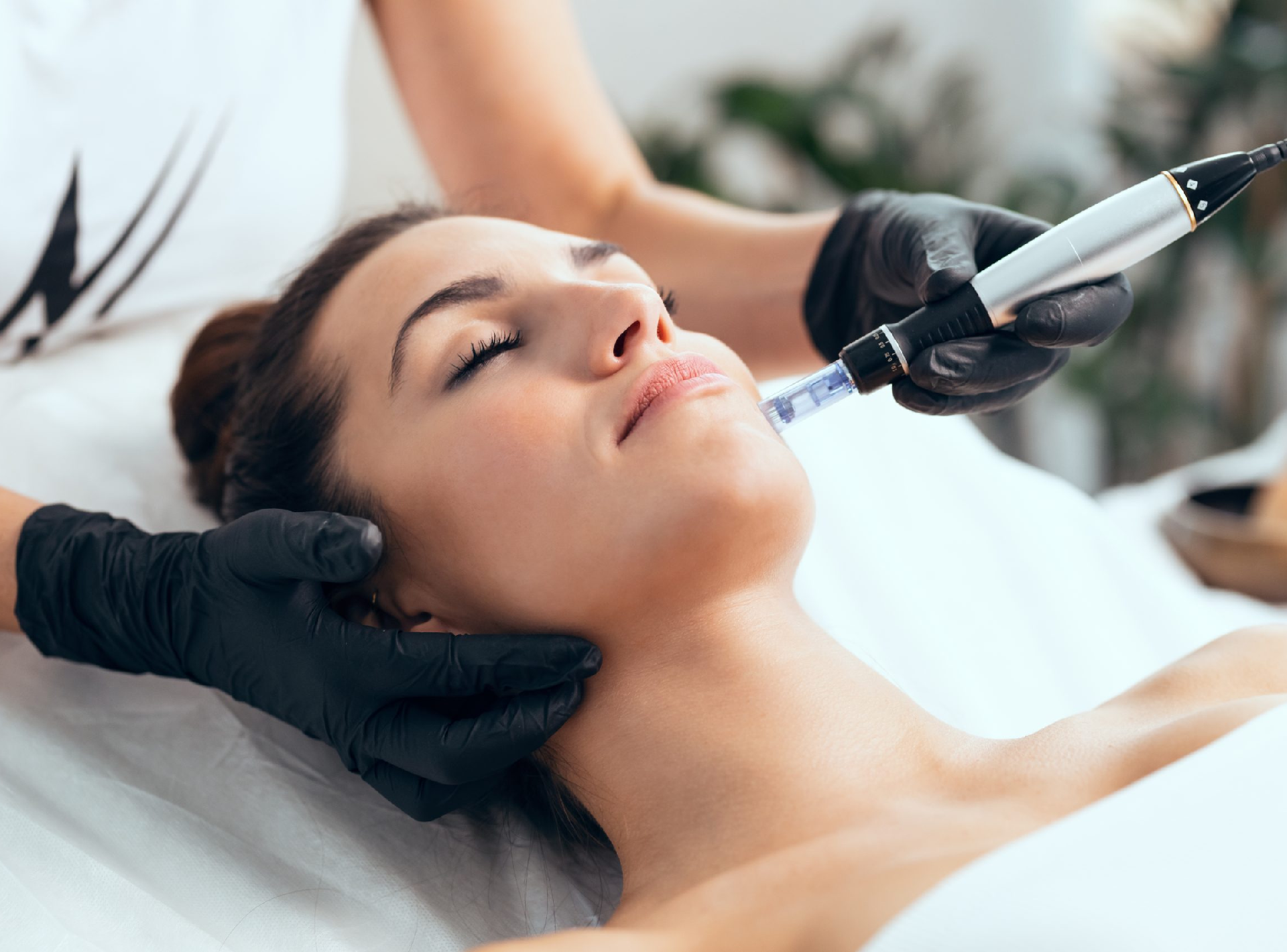
Microneedling, medically known as collagen induction therapy (CIT), is a minimally invasive cosmetic procedure designed to address a wide range of structural skin concerns. Using an advanced medical device equipped with ultra-fine, sterile needles (such as an FDA-approved SkinPen), a licensed professional glides the tool across the target area to create thousands of controlled micro-punctures.
Because it does not rely on thermal energy or harsh chemicals, this mechanical advanced skin rejuvenation technique is safe for almost all skin types and tones, making it an incredibly accessible option for individuals looking to dramatically improve their overall skin health.
How Does Microneedling Work?
The science behind microneedling is rooted in a fundamental biological principle: controlled cellular damage stimulates cellular renewal and tissue remodeling.
Collagen Induction Explained
When the microscopic needles penetrate the epidermis and reach the upper dermis, they break apart old, stagnant bundles of tissue. The brain views these micro-channels as microscopic wounds, launching an immediate natural healing response. This biological cascade rapidly accelerates the synthesis of fibroblasts, collagen, and elastin—the essential structural proteins responsible for keeping skin firm, bouncy, thick, and youthful.
How Skin Heals After Treatment
The healing timeline happens in three distinct, highly synchronized phases:
Inflammation: Triggered immediately during the session, sending blood circulation, platelets, and essential growth factors to the site.
Proliferation: Within days, new skin cells, blood vessels, and temporary collagen networks are built to repair the micro-injuries.
Remodeling: Over weeks and months, temporary collagen is replaced by strong, high-quality Type I collagen, tightening and smoothing the surface skin texture.
Benefits of Microneedling
From smoothing out deep-set textures to fading stubborn epidermal pigment, the clinical benefits of microneedling span across multiple skin layers.
Microneedling for Acne Scars
For individuals struggling with acne scars—specifically atrophic acne scars like boxcar, rolling, or ice pick scars—microneedling is a highly effective, non-surgical solution. The mechanical needles break up the dense, fibrous scar tissue pulling down on the skin surface, forcing new collagen production to build upward and smoothly fill out the depressions.
Microneedling for Fine Lines and Wrinkles
As an anti-aging treatment, microneedling targets static wrinkles, forehead lines, crow’s feet, and perioral lines around the mouth. By densifying the thin skin matrix and improving skin elasticity, it naturally plumps fine lines from the inside out, restoring lost facial volume and tightening sagging skin.
Microneedling for Enlarged Pores
While you cannot physically alter your genetic pore size, you can tighten the surrounding structural support. Microneedling stimulates collagen production right around the pore walls, squeezing them tighter together so they appear significantly smaller, refined, and smoothed.
Microneedling for Pigmentation and Uneven Skin Tone
By accelerating skin cell turnover, microneedling sheds damaged, hyperpigmented cells faster. It is widely used in dermatology clinics to fade sun spots, age spots, melasma, and post-inflammatory hyperpigmentation (PIH) left behind by old blemishes.
Microneedling for Skin Texture Improvement
If your skin suffers from general roughness, dullness, or stretch marks, collagen induction therapy clears out dead cellular debris and normalizes cellular function, yielding an incredibly smooth, airbrushed skin texture and radiant skin tone.
Microneedling Before and After: What Results to Expect
[ BEFORE TREATMENT ]                       [ AFTER A SERIES ]
Deep acne scarring & pits                 Visibly shallower, smoother scars
Fine lines & crepey texture               Firmed skin barrier & fewer wrinkles
Visible pores & dull tone                 Tightened pores & radiant, even glow
Immediate Results: Within the first week, your skin will showcase a temporary “glow” due to the rapid shedding of superficial dead skin cells and enhanced product absorption.
Long-Term Progressive Results: True structural changes—like scar remodeling, wrinkle reduction, and improved skin firmness—develop over 4 to 12 weeks as new collagen takes time to mature. The most dramatic transformations are seen after a structured series of treatments.
Types of Microneedling Treatments
Modern dermatology offers various modalities of microneedling, allowing providers to tailor treatments to your precise goals.
Traditional Microneedling
The classic method utilizes a mechanical pen to puncture the skin at adjustable needle depths (usually ranging from 0.5mm to 2.5mm). It is ideal for general skin rejuvenation, fine lines, and light pigmentation issues.
RF Microneedling
Radiofrequency (RF) Microneedling (such as Morpheus8, Potenza, or VirtueRF) combines traditional needling with thermal energy. As the needles penetrate, they emit high-intensity radiofrequency waves deep into the dermal tissue. This heat amplifies collagen synthesis and induces profound tissue contraction, making it excellent for severe acne scars, deep-set wrinkles, and structural sagging skin.
Microneedling With PRP
Commonly popularized as the “Vampire Facial,” this method pairs needling with Platelet-Rich Plasma (PRP) drawn from your own blood. The concentrated growth factors in the PRP are topically applied and massaged into the open micro-channels, radically accelerating healing times, reducing downtime, and boosting anti-aging outcomes.
At-Home Dermaroller vs Professional Treatment
While at-home dermarollers are highly accessible and budget-friendly, they pose severe structural risks compared to clinical skin care:
| Feature | At-Home Dermaroller | Professional Medical Microneedling |
| Needle Mechanism | Rolling wheels enter the skin at an angle, potentially slicing or tearing tissue. | Vertical, mechanized stamps penetrate smoothly without tearing. |
| Sterilization | Difficult to sterilize completely, raising infection risks. | Uses single-use, medically sealed, sterile needle cartridges. |
| Max Depth | Restricted to shallow depths (0.2mm – 0.5mm). | Can safely reach deep dermal layers (up to 2.5mm – 3.0mm). |
| Results | Superficial, temporary skin care product absorption. | True dermal remodeling and dramatic scar/wrinkle correction. |
“At Best Aesthetic Specialist Malaysia, we usually describe Microneedling as a way of gently encouraging your skin to repair itself naturally. Think of it like restarting your skin’s collagen production after damage from acne scars, sun exposure, or ageing. Many Malaysian patients choose Microneedling because it helps improve skin texture and overall radiance with minimal downtime, while still looking natural and suitable for different skin types.”
Microneedling vs Other Skin Treatments
Choosing between advanced skincare treatments depends heavily on your lifestyle, skin tone, and primary cosmetic concerns.
Microneedling vs Laser Treatment
Laser resurfacing (like Fractional CO2 or Erbium lasers) uses light energy to heat or vaporize skin layers. While highly effective, lasers present a higher risk of post-inflammatory hyperpigmentation for deeper skin tones (Fitzpatrick types IV–VI). Microneedling is entirely mechanical, carrying virtually no risk of heat-induced pigment damage, making it a safe choice for all skin tones.
Microneedling vs Chemical Peel
Chemical peels use acids (like Glycolic, Salicylic, or TCA peels) to chemically dissolve dead skin cells. Peels excel at resolving superficial tone, active acne breakouts, and surface sun damage. Microneedling, conversely, works much deeper to fix structural indentations, deep lines, and atrophic scars.
Microneedling vs HydraFacial
A HydraFacial is a zero-downtime, soothing medical facial designed for deep exfoliation, extractions, and intense skin hydration. It is an excellent monthly maintenance treatment, whereas microneedling is a corrective clinical therapy meant to address deeper tissue damage.
What Happens During a Microneedling Session?
Knowing what to expect during your appointment can ease any pre-treatment anxiety:
Cleansing & Numbing: The practitioner cleanses your face and applies a thick layer of medical-grade topical numbing cream for 30–45 minutes to maximize patient comfort.
The Procedure: After wiping away the cream, a sterile gliding medium (typically pure hyaluronic acid) is applied to help the microneedling pen glide smoothly. The provider moves the pen in a systematic grid pattern across your face.
Soothing Finish: A calming peptide sheet mask or restorative serum is applied to instantly soothe post-treatment inflammation. The active needling takes only 20 to 30 minutes.
Microneedling Recovery and Aftercare
Your post-treatment care routine plays a 50% role in your final results. Treating your skin gently post-procedure guarantees an easy recovery.
Downtime and Healing Timeline
Day 1: The skin will look and feel like a moderate sunburn—tight, warm, dry, and distinctly flushed.
Day 2–3: Redness and minor swelling fade to a light pink. Light shedding, peeling, or a sandpaper-like skin texture may develop.
Day 4–5: The skin barrier is largely healed, revealing smoother, refreshed skin.
What to Avoid After Microneedling
To protect your compromised skin barrier, strictly avoid these for at least 72 hours:
Direct, unprotected sun exposure.
Makeup, cosmetic brushes, and beauty sponges.
Intense exercise, heavy sweating, saunas, and hot tubs.
Active skincare ingredients (Retinol, Tretinoin, Vitamin C, Glycolic Acid, Salicylic Acid).
Recommended Skincare After Treatment
Keep your daily skin care basic, clean, and highly focused on skin hydration and barrier repair:
Cleanse with an ultra-gentle, soap-free cleanser and lukewarm water.
Apply generous amounts of Pure Hyaluronic Acid, ceramides, or a dermatologist-approved soothing moisturizer to soothe dryness.
Wear a mineral-based (Zinc Oxide) broad-spectrum SPF 30+ daily to prevent post-inflammatory hyperpigmentation.
Are There Any Side Effects or Risks?
While exceptionally safe when performed in a clean, professional medspa or dermatology clinic, temporary side effects are a normal part of the body’s inflammatory response. These include minor redness, swelling, peeling, tightness, and mild bruising.
Important Safety Note:
Serious risks like permanent scarring, hyperpigmentation, or bacterial skin infections are incredibly rare. They typically only occur if an unsterile at-home device is used, if the client picks at peeling skin, or if active skincare acids are reintroduced to the face too early.
How Much Does Microneedling Cost?
Pricing varies depending on your geographic location, provider expertise, and chosen technology.
Factors That Affect Pricing
The Modality: Traditional microneedling is the most affordable option, whereas RF Microneedling and PRP additions require specialized equipment and fetch a higher price point.
Geographic Market: Clinics located in dense urban areas maintain higher operational overhead, which influences treatment rates.
Target Area Size: Treating just the face is more affordable than package deals that cover the face, neck, and décolletage.
How Many Sessions Are Usually Needed
For minor anti-aging, hyperpigmentation, or texture maintenance, a series of 3 sessions spaced 4 to 6 weeks apart is standard. For deep acne scars, advanced stretch marks, or severe sun damage, most dermatologists recommend 4 to 6 sessions for optimal dermal remodeling.
How to Choose the Best Microneedling Clinic
To ensure the highest standard of safety and medical efficacy, verify these factors before booking your consultation:
Ensure the treatment is overseen by a board-certified dermatologist, plastic surgeon, or licensed medical aesthetician.
Confirm that the clinic utilizes FDA-approved, medical-grade microneedling devices (like SkinPen).
Read verified patient reviews and request to see a portfolio of real “before and after” photos taken directly at their facility.
Frequently Asked Questions About Microneedling
Is microneedling painful?
Thanks to the application of high-strength topical numbing cream prior to the procedure, most patients describe the sensation as a light, scratchy vibration. Certain areas like the forehead or jawline can feel slightly more sensitive, but it is entirely tolerable.
How long do microneedling results last?
The structural collagen your body creates is permanent and can last for years. However, because our skin continues its natural chronological aging process and succumbs to environmental stressors, annual maintenance treatments are highly recommended to preserve your results.
Can microneedling damage the skin?
If performed incorrectly by an untrained individual using an unapproved device, it can cause tracking, permanent scarring, or hyperpigmentation. However, when administered by an experienced professional using a mechanized vertical pen, it is incredibly precise and safe.
How often should you do microneedling?
Professional microneedling sessions should be spaced 4 to 6 weeks apart. This specific interval allows your skin’s cellular proliferation and remodeling phases to complete before initiating another round of collagen induction.
Who is suitable for microneedling?
Microneedling is ideal for anyone looking to correct acne scars, fine lines, large pores, and texture irregularities. It is safe for all skin tones. However, it is not suitable for individuals with active cystic acne breakouts, open wounds, eczema flares, or those currently taking Accutane (isotretinoin) within the past six months.