


Hair thinning can affect both men and women, often impacting confidence and self-image. While medications and hair transplant procedures are widely known treatments, newer regenerative therapies are gaining attention. One treatment that has become increasingly popular is microneedling for hair loss.
This minimally invasive procedure is believed to stimulate hair follicles and improve scalp health. But can it really help regrow thinning hair? In this guide, we explore how microneedling works, who it may help, and what results patients can realistically expect.
What Is Microneedling for Hair Loss?
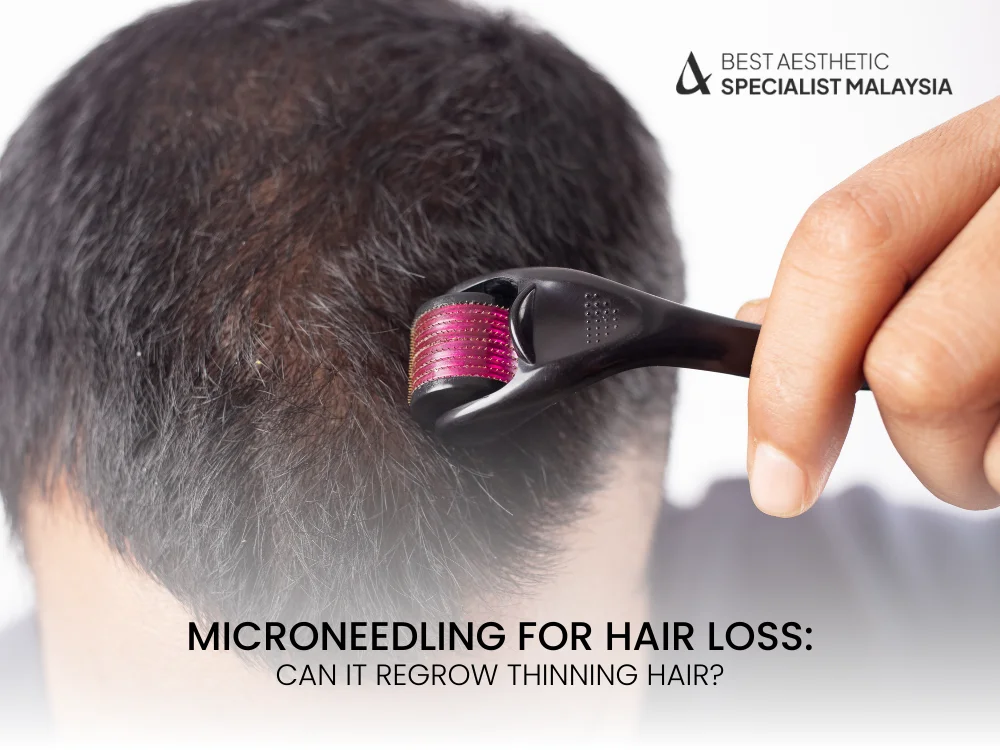
Microneedling for hair loss is a treatment that uses a device containing tiny sterile needles to create controlled micro-injuries in the scalp. These small punctures stimulate the body’s natural healing response and encourage hair follicle activity.
The procedure is commonly performed using tools such as a derma roller or automated microneedling devices like Dermapen Microneedling Device.
Microneedling is often used to treat conditions like Androgenetic Alopecia, commonly known as male or female pattern hair loss.
By stimulating the scalp and improving blood circulation, the treatment may support healthier hair growth.
How Microneedling for Hair Loss Works
Microneedling promotes hair growth through several biological mechanisms.
1. Stimulates Natural Healing Response
When tiny needles penetrate the scalp, the body initiates a wound-healing process. This process releases growth factors and stimulates stem cells around hair follicles.
These growth factors may activate dormant follicles and encourage new hair growth.
2. Improves Blood Circulation to Hair Follicles
Healthy hair follicles require an adequate supply of oxygen and nutrients.
Microneedling increases blood flow to the scalp, which can help nourish weakened hair follicles.
Better circulation may support thicker and stronger hair strands over time.
3. Enhances Absorption of Hair Growth Treatments
Microneedling also improves the absorption of topical treatments such as Minoxidil.
The microchannels created in the scalp allow active ingredients to penetrate deeper into the skin, potentially increasing treatment effectiveness.
For this reason, many clinics combine microneedling with topical medications or growth serums.
4. Activates Hair Follicle Stem Cells
Research suggests microneedling may stimulate the release of proteins involved in hair growth signaling.
These proteins can activate follicular stem cells, which play a crucial role in regenerating hair follicles.
Conditions That Microneedling May Help Treat
Microneedling is most commonly used for patients with early or moderate hair thinning.
It may help improve conditions such as:
- Androgenetic Alopecia
- Alopecia Areata (in some cases)
- Stress-related hair shedding such as Telogen Effluvium
However, microneedling may not be effective if hair follicles are completely destroyed or severely scarred.
Patients with advanced baldness may require more comprehensive treatments like Hair Transplant Surgery.
What Happens During a Microneedling Treatment?
A microneedling session for hair loss is usually quick and minimally uncomfortable.
The typical steps include:
- Scalp cleansing to remove oil and bacteria
- Application of a numbing cream for comfort
- Use of a microneedling device to create controlled micro-injuries
- Application of hair growth solutions or serums
The entire procedure usually takes around 30–45 minutes.
Patients can typically return to normal activities shortly afterward.
How Many Microneedling Sessions Are Needed?
Hair growth treatments require consistency.
Most patients require multiple sessions to see visible improvements.
A common treatment schedule may involve:
- Sessions every 2–4 weeks
- A total of 4–8 sessions initially
- Maintenance treatments every few months
Hair growth is a slow biological process, so visible improvement may take several months.
When Can You See Results?
Hair regrowth does not happen immediately after treatment.
Patients may notice the following timeline:
1–2 months
Reduced hair shedding and improved scalp health.
3–4 months
Early signs of new hair growth and increased hair thickness.
6 months and beyond
More noticeable improvements in hair density.
Results vary depending on the cause of hair loss and individual response to treatment.
Is Microneedling for Hair Loss Safe?
When performed by trained professionals, microneedling is generally considered safe.
Common temporary side effects include:
- Mild redness
- Scalp sensitivity
- Minor pinpoint bleeding
These symptoms usually resolve within 24–48 hours.
However, patients should avoid performing aggressive at-home microneedling without proper guidance, as incorrect technique can damage the scalp.
Who Is a Good Candidate for Microneedling?
Microneedling may be suitable for individuals who:
- Have early to moderate hair thinning
- Want a non-surgical hair restoration option
- Are already using treatments like Minoxidil
- Prefer minimally invasive procedures
Patients with severe baldness or medical scalp conditions may require alternative treatments.
A consultation with a hair restoration specialist can help determine the best option.
Microneedling vs Hair Transplant: What’s the Difference?
Both treatments address hair loss but work in very different ways.
Microneedling stimulates existing hair follicles, helping them grow stronger and thicker hair.
On the other hand, Hair Transplant Surgery physically relocates healthy follicles from a donor area to balding regions.
Microneedling is generally recommended for:
- Early-stage hair loss
- Hair thinning
- Preventive treatment
Hair transplant surgery is often recommended for:
- Advanced baldness
- Permanent hairline restoration
- Areas with completely lost follicles
In some cases, doctors may combine both treatments to improve overall hair density.
Tips to Improve Microneedling Results
To maximize the effectiveness of microneedling treatments for hair growth, patients should adopt healthy scalp care habits and support their overall hair health. While microneedling can stimulate the scalp and encourage follicle activity, the best outcomes usually occur when it is combined with consistent lifestyle and medical care.
Maintain a Nutrient-Rich Diet
Hair follicles require adequate nutrients to produce strong, healthy strands. A balanced diet that includes sufficient protein, iron, zinc, biotin, and vitamins such as vitamin D and vitamin B complex can help support the hair growth cycle. Foods like eggs, fish, nuts, leafy greens, and legumes may contribute to healthier hair over time.
Avoid Excessive Heat and Harsh Hair Practices
Frequent use of high-heat styling tools, tight hairstyles, or chemical treatments can place additional stress on the hair and scalp. Minimizing these practices may help protect newly growing hair and maintain scalp health after microneedling sessions.
Manage Stress Levels
Chronic stress can disrupt the natural hair growth cycle and contribute to hair shedding. Activities such as regular exercise, proper sleep, relaxation techniques, and mindfulness practices may help reduce stress and support overall well-being.
Follow Medical Treatment Plans
Microneedling is often combined with other evidence-based hair treatments to improve results. Some patients may be advised to use topical medications such as Minoxidil or undergo therapies like Platelet-Rich Plasma (PRP) therapy to stimulate hair follicles. Always follow the treatment plan recommended by a qualified medical professional.
Attend Regular Follow-Up Sessions
Hair growth treatments typically require multiple sessions over several months. Attending scheduled follow-ups allows your practitioner to monitor progress, adjust treatment settings, and ensure the scalp is responding well to microneedling.
Maintain Overall Scalp Health
Keeping the scalp clean and well-hydrated is essential. Gentle shampoos, avoiding scalp irritation, and protecting the scalp from excessive sun exposure can support the healing process after each microneedling session.
Hair health ultimately depends on a combination of factors, including genetics, hormonal balance, nutrition, and lifestyle habits. By maintaining healthy routines and following professional guidance, patients can improve the likelihood of achieving better results from microneedling treatments.
Frequently Asked Questions (FAQs)
1. Does microneedling really help with hair loss?
Research suggests that microneedling may stimulate hair follicles and improve hair growth, especially in patients with Androgenetic Alopecia.
2. Is microneedling for hair loss painful?
Most patients experience only mild discomfort. Numbing cream is often used during professional treatments to minimize pain.
3. Can microneedling regrow completely bald areas?
Microneedling works best when hair follicles are still active. Completely bald areas may require Hair Transplant Surgery.
4. How often should microneedling for hair loss be done?
Many treatment plans involve sessions every 2–4 weeks for several months.
5. Can microneedling be combined with Minoxidil?
Yes. Many doctors combine microneedling with Minoxidil to enhance hair growth results.
6. Is microneedling for hair loss safe to do at home?
At-home derma rollers exist, but professional treatment is safer because trained practitioners use sterile equipment and proper techniques.
7. How long do microneedling results last?
Results can last as long as the treatment plan and healthy scalp habits are maintained.
8. Are there side effects of microneedling for hair loss?
Temporary redness, mild swelling, and scalp sensitivity are common but usually resolve within a couple of days.
9. Who should avoid microneedling for hair loss treatment?
Individuals with scalp infections, open wounds, or certain skin conditions should avoid the treatment until cleared by a doctor.
10. Is microneedling for hair loss better than a hair transplant?
Microneedling and Hair Transplant Surgery serve different purposes. Microneedling stimulates existing follicles, while transplants replace lost follicles.
Conclusion
Hair thinning can occur for many reasons, but modern regenerative treatments offer promising solutions. Microneedling for hair loss has gained popularity as a minimally invasive therapy that may stimulate hair follicles, improve scalp health, and enhance the effectiveness of topical treatments.
Although results vary, many patients experience thicker hair and reduced shedding after consistent treatment sessions. However, individuals with advanced hair loss may require more comprehensive treatments such as Hair Transplant Surgery.
Consulting an experienced hair restoration specialist can help determine whether microneedling is the right option for your hair loss condition.