


Skin rejuvenation treatments are becoming increasingly popular for improving skin texture, hydration, and overall radiance. One treatment that has gained significant attention is Rejuran Healer, a regenerative injectable therapy designed to repair damaged skin from within.
While the procedure itself is relatively quick, proper Rejuran aftercare plays a crucial role in achieving optimal results. Following the right post-treatment routine helps reduce downtime, supports skin healing, and ensures the regenerative ingredients work effectively.
In this guide, we will explain everything you need to know about Rejuran aftercare, including what to expect, what to avoid, and how to help your skin recover smoothly.
Why Rejuran Aftercare Is Important
Rejuran aftercare is essential because the treatment works by delivering polynucleotides (PN) into the skin to stimulate repair and regeneration. These bioactive molecules help support collagen production, improve skin elasticity, and strengthen the skin barrier.
Because the injections create tiny microchannels in the skin, proper care after treatment helps to:
- Minimize redness and swelling
- Reduce the risk of irritation or infection
- Allow the skin to fully absorb the regenerative ingredients
- Support long-term improvements in skin quality
Treatments like Rejuran Healer work gradually, meaning results improve over time as the skin repairs itself.
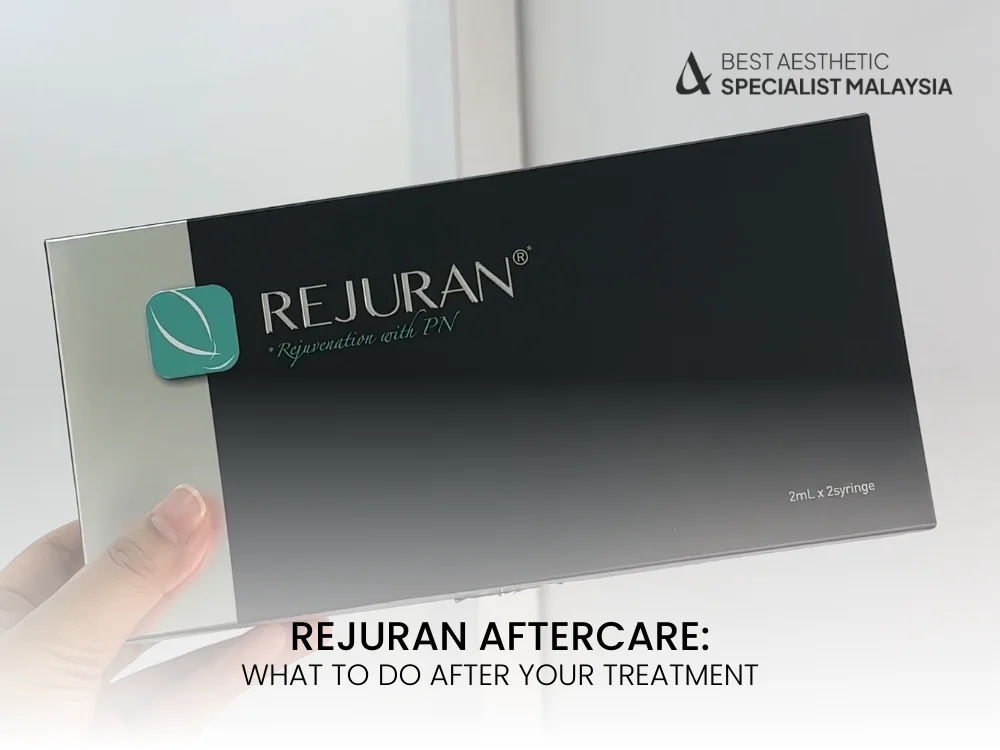
What Happens Immediately After Rejuran Treatment
Right after your treatment, it is normal to experience some mild and temporary side effects. These reactions occur because the skin has undergone microinjections.
Common post-treatment effects include:
- Small injection bumps (often called papules)
- Mild redness
- Slight swelling
- Minor bruising
- Skin sensitivity
These effects usually subside within 24 to 72 hours. In some cases, small bumps may last slightly longer as the polynucleotide solution gradually absorbs into the skin.
Your doctor may also recommend gentle skin care products to support healing during this period.
Rejuran Aftercare: The First 24 Hours
The first 24 hours after Rejuran treatment are the most critical for ensuring optimal results and minimizing side effects. During this period, your skin is more sensitive and vulnerable to irritation, so gentle care is essential. Following these guidelines can help your skin recover smoothly and enhance the overall effectiveness of the treatment.
Here are some key guidelines to follow:
Avoid Touching the Treated Area
Resist the urge to touch, rub, or massage your face unless your doctor specifically instructs you to do so. Doing so can:
Introduce bacteria into the tiny injection sites, increasing the risk of infection.
Cause unnecessary pressure that might interfere with the distribution of the product.
Skip Makeup
Avoid applying makeup for at least 24 hours after your treatment. Fresh injections leave your skin slightly sensitive, and makeup products can:
Block pores and slow healing.
Increase the chance of irritation or redness.
If you absolutely need to go out, opt for a gentle, mineral sunscreen or protective clothing rather than foundation or heavy cosmetics.
Keep Your Skin Clean
Cleanse your face with a mild, non-irritating cleanser and lukewarm water. Avoid:
Harsh scrubs or exfoliants.
Strong acids or retinoids, which can irritate freshly treated skin.
Pat your skin dry gently with a clean towel instead of rubbing.
Stay Hydrated
Drinking enough water helps support skin recovery from within, improving hydration and elasticity. Proper hydration complements the moisturizing and regenerative effects of Rejuran, helping your skin look plumper and healthier.
Skincare Routine After Rejuran Treatment
Maintaining a gentle skincare routine is an important part of Rejuran aftercare.
For the first few days after treatment, dermatologists often recommend focusing on skin barrier repair and hydration.
Your routine may include:
- Gentle cleanser
- Hydrating serum
- Moisturizer
- Broad-spectrum sunscreen
Products containing soothing ingredients such as hyaluronic acid, ceramides, and panthenol can help calm the skin.
Avoid strong active ingredients such as:
- Retinol
- Glycolic Acid
- Salicylic Acid
These ingredients may irritate the skin during the early recovery phase.
Activities To Avoid After Rejuran
Certain activities can increase irritation or slow down recovery. As part of proper Rejuran aftercare, doctors usually recommend avoiding the following for several days:
Intense Exercise
Heavy workouts can increase blood flow and worsen swelling or redness. It is best to avoid intense exercise for 24–48 hours.
Sauna and Hot Baths
Heat exposure may aggravate inflammation and prolong recovery.
Alcohol Consumption
Alcohol can dilate blood vessels and increase bruising risk after injections.
Excessive Sun Exposure
Ultraviolet exposure may irritate sensitive skin and affect healing. Using sunscreen is essential.
How Long Does Rejuran Recovery Take?
One of the advantages of Rejuran treatments is that they generally involve minimal downtime, allowing most patients to resume daily activities immediately. However, understanding the typical recovery timeline can help you set realistic expectations and monitor your skin’s healing process.
Typical Rejuran Recovery Timeline:
Day 1–2
Mild redness and swelling are common at the injection sites.
Tiny bumps or raised areas may appear but usually flatten out within a couple of days.
Some patients may feel slight tenderness, which is normal and temporary.
Day 3–5
Skin starts to settle and calm down.
Any minor bruising or discoloration begins to fade.
Hydration and plumpness start becoming subtly noticeable.
Week 1
Skin texture becomes smoother, and fine lines may appear less noticeable.
Improved hydration and radiance are often visible, although full results are still developing.
You may notice softening of rough patches or improvement in dullness.
Because treatments like Rejuran Healer work by stimulating natural skin repair and collagen regeneration, the most significant results usually appear gradually over 2–4 weeks, sometimes continuing to improve for up to 8 weeks. Patience is key, as the treatment enhances your skin’s natural repair processes rather than providing instant changes.
Tip: During recovery, maintaining gentle skincare, avoiding harsh exfoliants, and keeping the skin hydrated can help maximize results and ensure a smooth healing process.
Tips To Enhance Your Rejuran Results
Following proper Rejuran aftercare is only part of the process. Healthy lifestyle habits can also improve treatment outcomes.
Here are some useful tips:
Use Sunscreen Daily
UV exposure accelerates skin aging and may reduce the benefits of regenerative treatments.
Maintain Good Hydration
Hydrated skin tends to respond better to regenerative therapies.
Follow Your Treatment Plan
Many patients undergo multiple sessions spaced several weeks apart to achieve optimal results.
Maintain a Healthy Skincare Routine
Using gentle, supportive skincare products helps maintain long-term skin health.
When To Contact Your Doctor
While most side effects after a Rejuran treatment are mild, temporary, and generally resolve within a few days, it’s important to know when to seek professional advice. Contacting your doctor promptly can prevent minor issues from becoming more serious complications.
You should reach out to your healthcare provider if you notice:
Severe swelling or redness – Mild puffiness is common after treatment, but pronounced swelling that worsens instead of improving could indicate a reaction.
Persistent or increasing pain – Some discomfort is normal for the first 24–48 hours, but pain that continues or intensifies may need evaluation.
Signs of infection – These include warmth around the treated area, pus, or fever. Early intervention can prevent serious complications.
Unusual skin reactions – Rash, excessive bruising, or changes in skin color beyond what your doctor explained should be reported immediately.
Consulting a qualified practitioner ensures your treatment remains safe and your recovery stays on track. Clinics offering Rejuran Healer typically follow strict medical protocols, including sterile injection techniques and post-treatment monitoring, to minimize risks.
Remember, it’s always better to call and clarify with your doctor—even if the symptom seems minor—than to wait and let it escalate.
Frequently Asked Questions About Rejuran Aftercare
1. How long should I avoid makeup after Rejuran?
Most doctors recommend avoiding makeup for 24 hours after treatment to allow the skin to recover.
2. Can I wash my face after Rejuran aftercare?
Yes, but wait at least 6–12 hours and use a gentle cleanser with lukewarm water.
3. When can I exercise again?
Light activities are usually safe after 24 hours, but intense workouts should be avoided for 48 hours.
4. Are bumps normal after Rejuran?
Yes. Small bumps at injection sites are common and typically disappear within 1–3 days.
5. Can I use retinol after Rejuran?
It is best to avoid products containing Retinol for about 3–5 days to prevent irritation.
6. When will I see results from Rejuran?
Many patients notice improved skin hydration within 1–2 weeks, with continued improvement over time.
7. How many sessions of Rejuran are needed?
Doctors often recommend 3–4 sessions spaced several weeks apart.
8. Is swelling common after Rejuran aftercare?
Mild swelling is common and usually subsides within 48 hours.
9. Can I go out in the sun after treatment?
It is best to minimize sun exposure and apply broad-spectrum sunscreen regularly.
10. Is Rejuran safe?
When performed by qualified medical professionals, treatments like Rejuran Healer are generally considered safe.
Final Thoughts
Proper Rejuran aftercare is essential for ensuring smooth recovery and maximizing the benefits of this regenerative skin treatment. By following your doctor’s instructions, maintaining gentle skincare, and protecting your skin from external irritants, you can support the healing process and achieve healthier-looking skin.
Although downtime is minimal, patience is important. Skin regeneration takes time, and results from treatments like Rejuran Healer typically improve gradually as the skin repairs itself.
If you are considering this treatment, consulting a qualified medical professional can help determine whether it is suitable for your skin goals.