
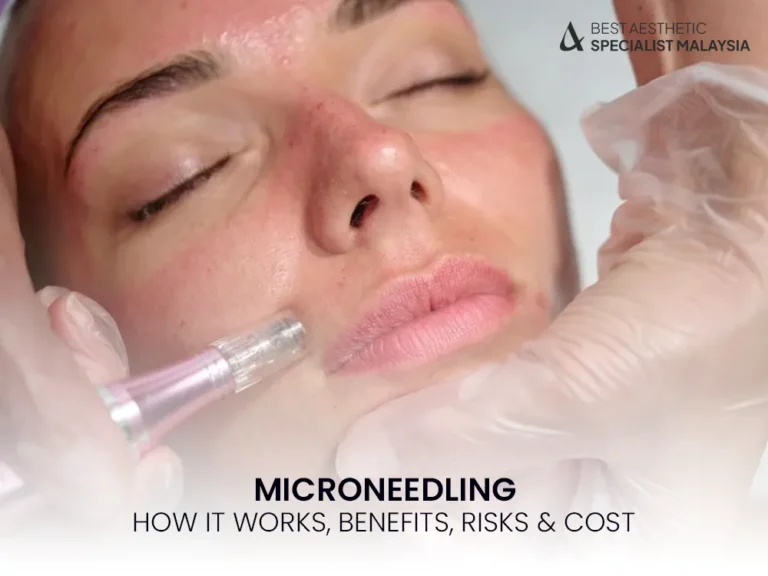

Microneedling is becoming very popular in Malaysia. It’s a safe and effective way to improve your skin. This treatment can reduce acne scars, fine lines, stretch marks, and uneven skin texture. It helps your skin look smoother, firmer, and healthier.
What is Microneedling?
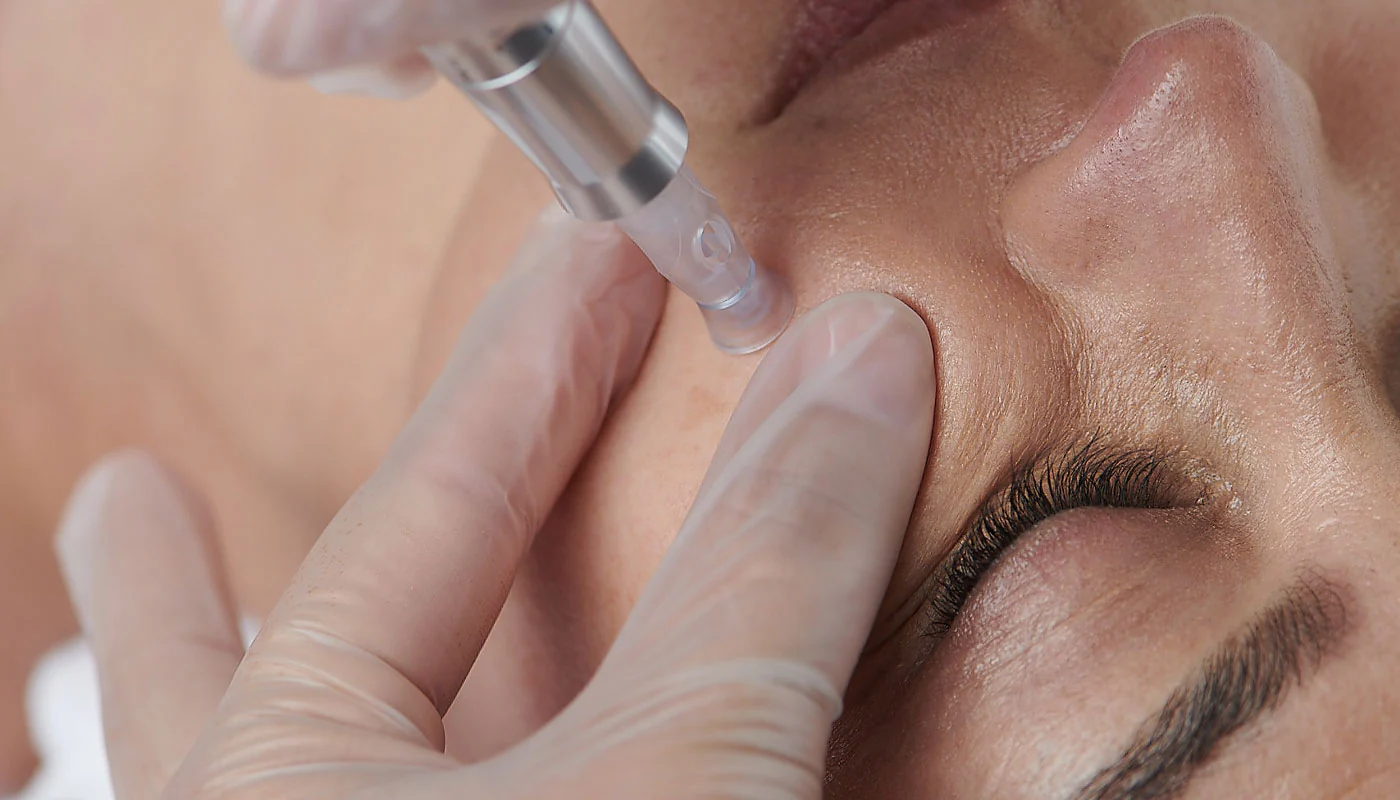
Microneedling, also called collagen induction therapy, uses tiny needles to make small, controlled injuries in your skin. These tiny injuries trigger your body to heal itself. This process increases collagen and elastin, proteins that make your skin firm, smooth, and elastic.
Microneedling is gentler than aggressive lasers because it keeps the top layer of skin intact. This means less downtime and lower risk of skin darkening.
Research: Microneedling increases collagen and improves acne scars
A clinical study showed that multiple microneedling sessions led to a statistically significant increase in collagen types I, III, and VII and noticeable improvement in atrophic acne scars. PubMed
Microneedling Devices: SkinPen vs Dermapen
The device you use affects the results:
SkinPen: FDA-approved, precise, and common in clinics.
Dermapen / Dermaroller: Works well, but results can vary due to needle depth and design.
Tip: Professional devices are safer and more consistent than at-home rollers. Doctors recommend medical-grade skin needling to avoid uneven results or skin injury.
Benefits of Microneedling
Microneedling can treat many skin issues:
Acne Scars: Reduces scars over several sessions.
Fine Lines & Wrinkles: Smooths early signs of aging.
Uneven Skin & Large Pores: Tightens pores and smooths rough skin.
Dark Spots & Sun Damage: Gradually lightens pigmentation.
Stretch Marks: Helps remodel the skin for visible improvement.
You can also combine skin needling with topical serums or PRP for better results.
Who Should Try Microneedling?
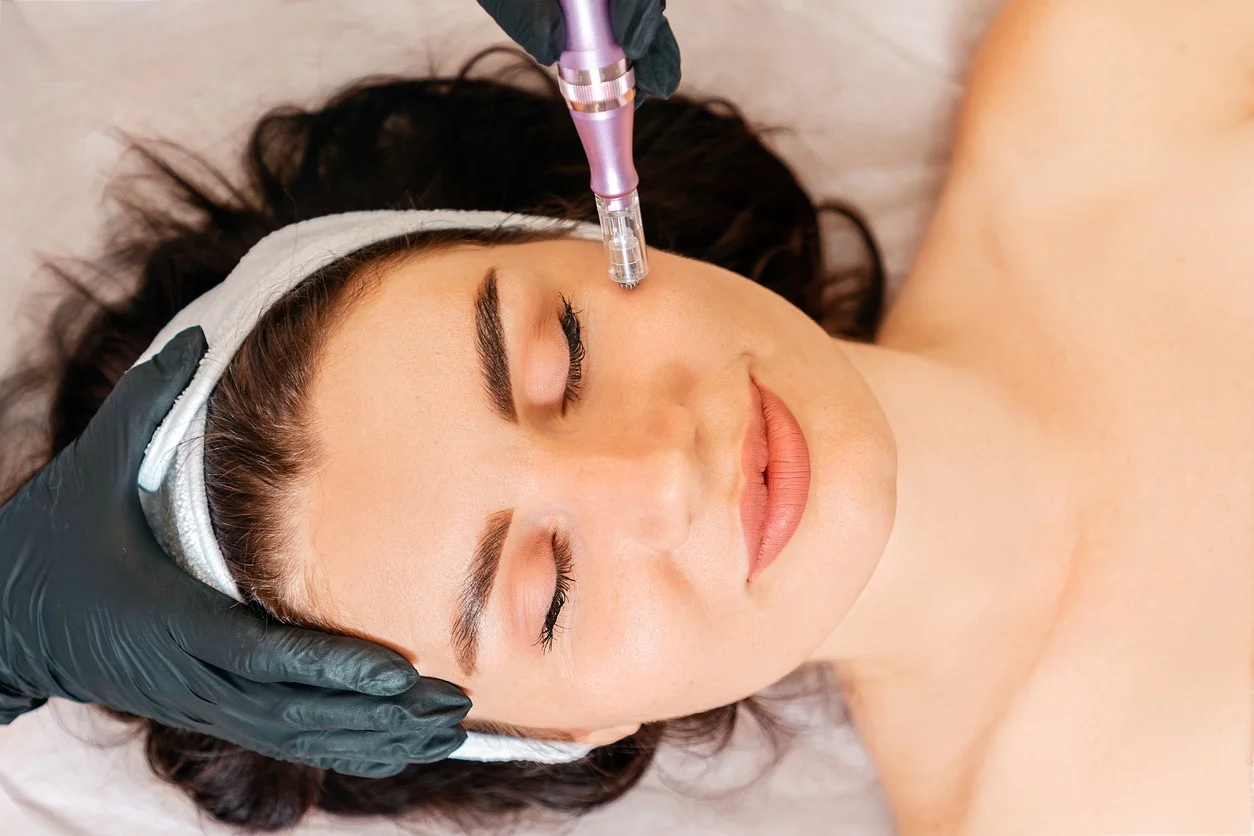
Microneedling is safe for most skin types, including darker skin. It’s good for:
People with acne or surgical scars
Those who want smoother skin or fewer fine lines
People with mild pigmentation or stretch marks
Avoid microneedling if you have:
Active cystic acne
Skin infections
Bleeding disorders
Certain medical conditions
Side effects are usually mild, such as redness, swelling, or light peeling.
What to Expect During a Session
A session usually takes 30–60 minutes:
Clean & Examine: The skin is cleaned and checked.
Numbing: A cream is applied to reduce discomfort.
Microneedling: The device makes small passes on your skin.
Soothing Application: PRP or calming serums may be added.
Afterwards, most people have redness like a mild sunburn for 2–3 days. Tip: Schedule sessions when you don’t plan to spend much time in the sun.
Recovery and Aftercare
Follow these steps for faster healing and better results:
Day 0–1: Keep skin hydrated and avoid makeup.
First 48 hours: Avoid exfoliants, acids, or retinoids.
Sun Protection: Use SPF once skin has healed.
Gentle Skincare: Avoid harsh products until redness fades.
Most people return to normal activities in 2–3 days.
Advanced Microneedling Treatments
Some clinics offer enhanced treatments:
PRP skin needling: Uses platelet-rich plasma to speed healing and boost collagen.
RF skin needling: Adds radiofrequency energy to tighten deeper skin layers.
Serum Infusion: Helps vitamins and hyaluronic acid penetrate better.
These treatments are great for stubborn scars, deeper wrinkles, or sagging skin.
A landmark study in the Aesthetic Surgery Journal, cited by the NIH, found that just four microneedling sessions (one month apart) boosted collagen and elastin production by 400% six months after the last treatment. Histological exams also showed a thicker skin layer (stratum spinosum) that remained improved for up to a year. (StatPearls)
Cost of Microneedling in Malaysia
| Treatment Type | Estimated Cost (RM) |
|---|---|
| Basic Microneedling | 500 – 1,200 |
| Medical-Grade Microneedling | 800 – 1,500+ |
| PRP Microneedling | 1,500 – 3,000+ |
Many clinics offer package deals for multiple sessions, which can save money.
Microneedling Safety and Contraindications
Microneedling isn’t recommended for people with active acne, eczema, or keloid scarring. If you’re using Accutane, you should stop taking it at least six months before treatment to ensure proper healing. While microneedling is safe for all skin types, poor technique can lead to Post-Inflammatory Hyperpigmentation (PIH). This is why it’s important to seek treatment at a clinic with certified professionals, especially in Malaysia, where the climate can impact healing.
Professional vs. At-Home Devices
Professional devices like SkinPen use vertical needles that help prevent skin tearing and can go as deep as 2.5mm. At-home dermarollers, however, use angled needles, which can cause scarring and infection. Only medical-grade treatments can reach the deep layers of skin needed to produce enough collagen for long-term acne scar improvements.
Collagen Production Timeline
It takes time for your skin to heal. New collagen (neocollagenesis) usually starts forming within 4 to 6 weeks. While you might notice a “bridal glow” soon after treatment due to temporary swelling, visible improvements for deeper scars require 3 to 6 sessions spaced one month apart.
Sun Protection in Malaysia
In Malaysia, with its strong UV rays, sun protection is essential after skin needling. The tiny micro-channels left in your skin can make it more sensitive to the sun. If you don’t apply a broad-spectrum SPF 50 sunscreen daily for at least 7 days after the procedure, you risk permanent sun damage and dark spots, which could undo the brightening effects of the treatment.
Frequently Asked Questions (FAQs)
How many sessions are needed?
Most patients need 3 to 6 sessions spaced 4 to 6 weeks apart. This timeline allows your skin enough time to produce new collagen (neocollagenesis) and remodel deep scar tissue for visible, long-lasting results.
Does microneedling hurt?
No, it is generally painless because a topical numbing cream is applied before the procedure. Most patients only feel a mild vibrating pressure or a sandpaper-like sensation during the treatment.
When can I wear makeup?
Wait 24 to 48 hours before applying makeup. Your skin has open micro-channels immediately after treatment; applying makeup too soon can cause irritation, clogged pores, or a bacterial infection.
Is it safe for dark skin?
Yes. Microneedling is safe for all skin tones because it uses mechanical needles rather than heat or light. This reduces the risk of burning or hyperpigmentation compared to traditional laser treatments.
Microneedling vs. CO2 Laser?
Choose microneedling for shorter downtime (1–2 days) and safer results on all skin tones. Choose Fractional CO2 Laser if you have severe scarring and can afford a longer recovery period (7–10 days).
Can it be combined with other treatments?
Yes. Combining it with PRP, Exosomes, or RF accelerates healing and boosts collagen. These “power-ups” are highly recommended for stubborn acne scars or advanced anti-aging.
Final Thoughts
Microneedling is a safe, effective, and minimally invasive way to improve skin. It reduces scars, smooths fine lines, and enhances texture. With proper care, you can enjoy healthy, glowing skin in just a few sessions.
Best Aesthetic Specialist centre in Malaysia, staffed by certified dermatologists and aesthetic physicians, providing evidence-based treatments including skin needling with professional clinical standards.