

At the Best Aesthetic Specialist Centre, I have witnessed firsthand how Fractional CO2 laser therapy restores skin confidence. My experience shows that patients achieve the most dramatic results when we customize the laser intensity to their unique skin depth, effectively erasing years of scarring and environmental damage safely.
What is Fractional CO2 Laser Treatment?
Fractional CO2 is a famous laser used to fix deep skin problems. Unlike older lasers that removed the whole top layer, this one uses thousands of tiny light beams to poke “micro-holes” into the skin. This helps your face heal much faster while fixing damage from the inside.
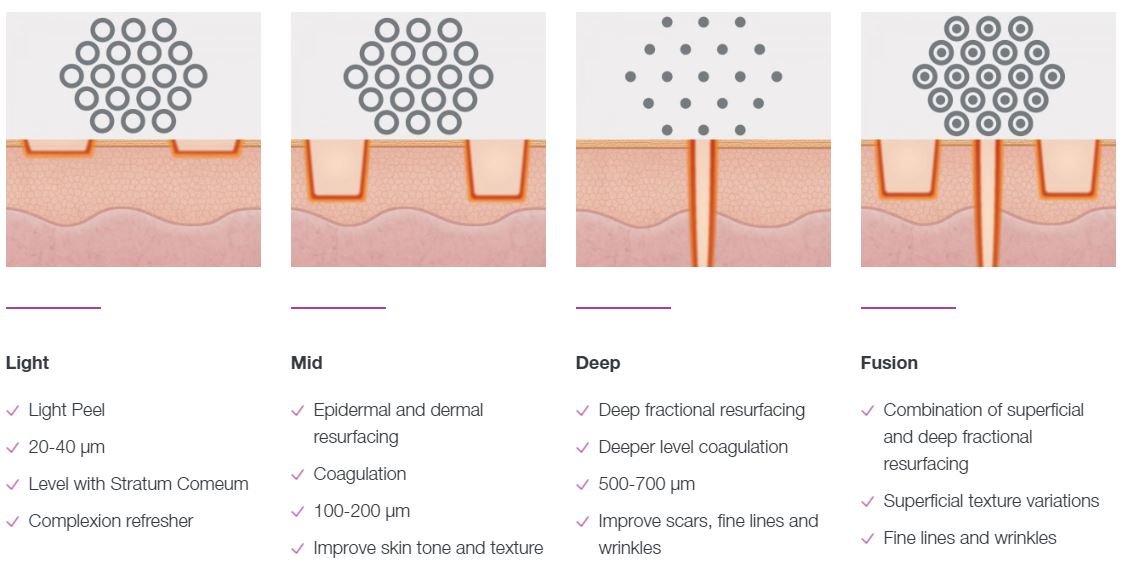
How fractional CO2 laser works on the skin
The laser makes tiny, hot dots deep in your skin. This “tricks” your body into healing itself. It gets rid of old, damaged skin and replaces it with fresh, new tissue. This process is great for skin resurfacing, making your face feel smooth and look much younger.
Difference between CO2 laser and fractional CO2 laser
Old CO2 lasers were very harsh and took weeks to heal. The Fractional CO2 version is much smarter. It only treats a “fraction” of the skin at a time, leaving healthy spots in between. This means you get the same strong results but with less pain and a shorter recovery.
| Feature | Old CO2 Laser | Fractional CO2 Laser |
| Healing Time | 2 to 3 weeks | 5 to 7 days |
| Pain Level | High | Low (with numbing) |
| Best For | Deep wrinkles | Scars, pores, & texture |
What Skin Concerns Can Fractional CO2 Laser Treat?
In Malaysia, this treatment is a top choice for people with rough skin. It treats problems that normal facials cannot touch. By going deep into the skin layers, it helps with skin rejuvenation, giving you a clean and fresh look that lasts a long time.
Acne scars and post-acne marks
This laser is the “gold standard” for acne scars, especially deep pits. It breaks down the hard scar tissue and forces your skin to grow back flat. After a few sessions, those deep holes in your skin look much shallower and smoother to the touch.
Large pores and uneven skin texture
Many Malaysians have large pores due to the heat and oily skin. The Fractional CO2 laser tightens the skin around your pores, making them look tiny. It also smooths out bumps and rough patches, giving you that famous “glass skin” finish that looks great in photos.
Benefits of Fractional CO2 Laser Treatment
The biggest benefit is that it fixes the skin’s structure. It doesn’t just hide flaws; it actually removes them. This medical aesthetic treatment is perfect for anyone who wants a “skin reset” to fix years of sun damage, wrinkles, or persistent marks.
Collagen stimulation and long-term improvement
The laser heat goes deep to wake up your collagen. This is the protein that keeps your skin firm. Even after your skin finishes peeling, it keeps making new collagen for months. This means your skin will actually look better and tighter as time goes on.
Fractional CO2 Laser Procedure in Malaysia
All laser treatments in Malaysia must follow rules from the Ministry of Health Malaysia. You should always go to a clinic with a licensed doctor. This ensures the laser settings are safe for your skin color and that you won’t get any unwanted marks or burns.
Step-by-step treatment process
First, a strong numbing cream is put on your face for 45 minutes. You won’t feel much, just a bit of heat or a “snapping” feeling. The treatment takes about 15 to 20 minutes. Afterward, a cooling mask is used to calm the redness and help you feel comfortable.
Recovery After Fractional CO2 Laser
Following the American Academy of Dermatology tips for aftercare is very important. Your skin will be red for a few days, like a sunburn. You must stay out of the sun and use a lot of moisturizer to help the new skin grow back perfectly.
Downtime and healing stages
Day 1-2: Your face will be red and might feel a bit tight.
Day 3-5: You will see tiny brown dots, and the skin will start to peel.
Day 7: The peeling is usually done, revealing fresh, pink, and very smooth skin.
Fractional CO2 Laser Cost in Malaysia
In 2026, the price for a Fractional CO2 session is very fair. A single session usually costs between RM 700 and RM 1,500. Most people buy a “3-session package” to get the best price and to make sure their acne scars or wrinkles are fully treated.
People Also Ask (Fractional CO2 Laser Malaysia)
Is fractional CO2 laser painful?
With the numbing cream, it’s not very painful. Most people say it feels “prickly” or warm. Modern clinics also use a machine that blows cold air on your face during the laser session, which helps you stay relaxed and comfortable the whole time.
How much does it cost in Malaysia?
For the full face, expect to pay around RM 900 to RM 1,200 per session. If you only want to treat a small area, like just your cheeks for scars, it will be cheaper. Always ask for a package deal to save money on your skin health journey.
How many sessions are needed?
For light skin refreshing, 1 or 2 sessions might be enough. For deep acne scars, most doctors suggest 3 to 5 sessions. This gives your skin enough time to build new layers and fill in the gaps for a much smoother and flatter finish.
Is it safe for all skin types?
Yes, but it needs a skilled doctor. People with darker skin need lower laser settings to prevent pigmentation (dark spots). A good Malaysian doctor knows how to adjust the machine so it’s safe for everyone, no matter their skin tone. For more safety info, check the Mayo Clinic.