

Hair Transplant
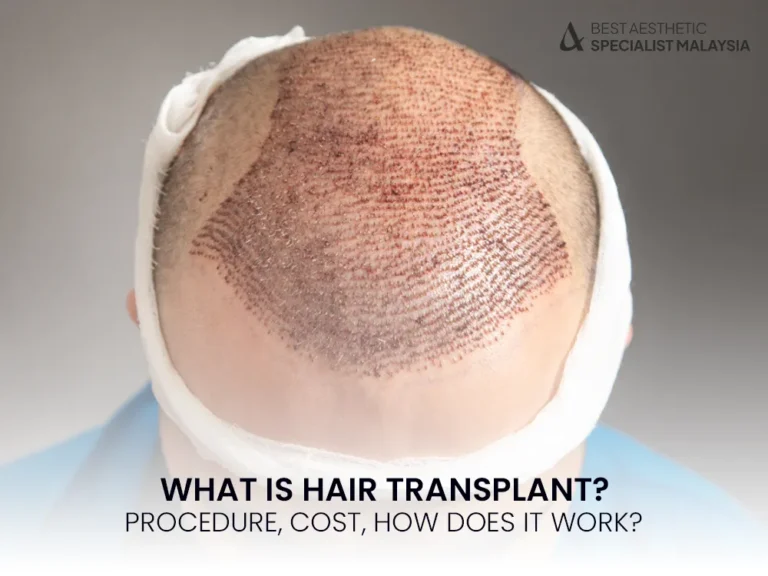
A hair transplant is a surgical procedure that helps restore hair growth by moving hair follicles from a healthy part of the scalp (typically the back or sides) to areas affected by thinning or baldness. The main goal is to restore hair density and create a natural-looking hairline. It is a popular solution for those dealing with pattern baldness, hair thinning, or a receding hairline.
Modern hair transplant malaysia techniques are minimally invasive, making the procedure safer and more effective. These techniques provide long-term results, and the hair that grows from the transplanted follicles is permanent.
Types of Hair Transplant Techniques
There are three primary hair transplant methods: Smart FUE, Standard FUE, and FUT. Each method differs in its procedure, recovery time, scarring, and suitability based on individual needs.
| Feature | Smart FUE | Standard FUE | FUT (Follicular Unit Transplantation) |
|---|---|---|---|
| Procedure | Uses advanced tools for precision extraction | Extracts individual follicles manually | Removes a strip of scalp for grafts |
| Scarring | Minimal, barely visible | Minimal, small dot-like scars | Linear scar in donor area |
| Recovery Time | Shorter recovery period | Moderate recovery period | Longer recovery due to incision |
| Graft Quality | High-quality grafts with minimal damage | Quality depends on surgeon’s skill | High-quality grafts but more invasive |
| Best For | Quick recovery, precision | Less invasive, suitable for smaller areas | Large-scale grafting, extensive hair loss |
Procedure of Hair Transplant
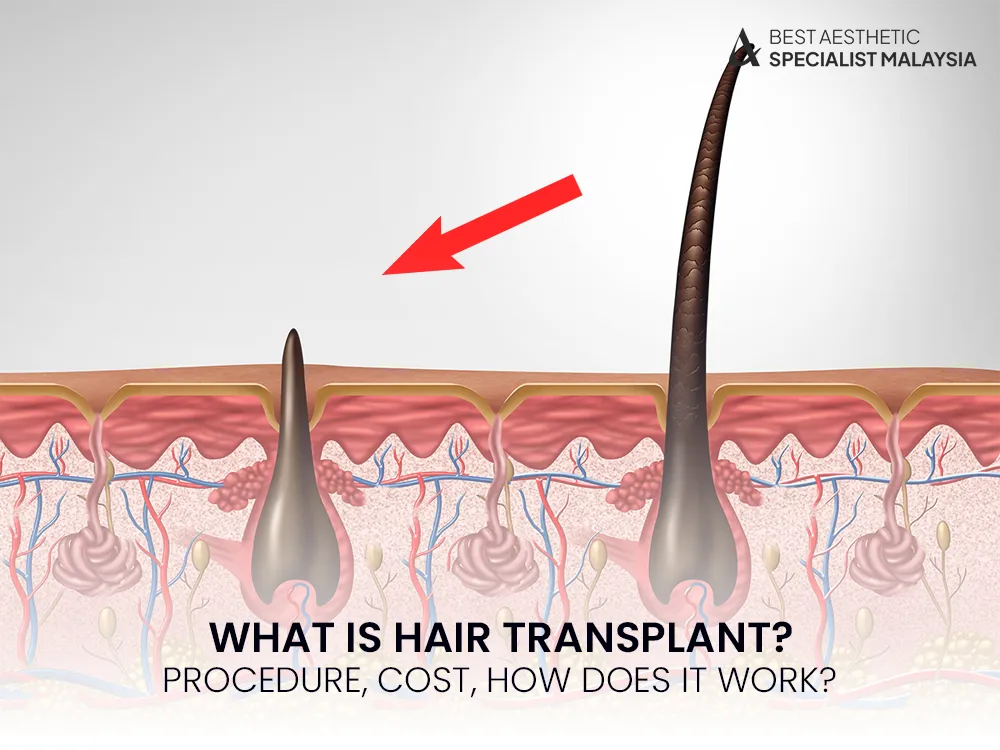
The procedure for a hair transplant typically involves the following steps:
Consultation: The first step involves an in-depth consultation with a surgeon to discuss your goals, evaluate your scalp condition, and determine the most suitable method (Smart FUE, Standard FUE, or FUT) based on your needs.
Preparation: On the day of the surgery, your scalp will be cleaned, and local anesthesia will be applied to minimize discomfort. In some cases, sedation may be offered for added comfort.
Extraction:
- For FUE methods (Smart FUE or Standard FUE), individual hair follicles are extracted from the donor area using a specialized tool.
- For FUT, a strip of scalp is removed from the donor area, and the follicles are then harvested from this strip.
Grafting: The hair follicles are carefully implanted into the thinning or bald areas of the scalp, following the natural growth pattern for a seamless result.
Post-Procedure Care: After the procedure, you’ll be provided with instructions for care, including how to wash your scalp, prevent infection, and manage any discomfort.
Healing: Most patients can return to their daily activities within a few days, though strenuous activities should be avoided for at least two weeks.
Results: New hair growth usually begins within 3–4 months, with the full results visible in 12–18 months.
Hair Transplant Costs: Malaysia vs. Turkey vs. Indonesia
The cost of hair transplants varies by country and technique. Below is a comparison of the average costs in USD and their equivalent in local currencies.
| Country | Average Cost | Converted to Local Currency | Key Highlights |
|---|---|---|---|
| Malaysia | RM 7,500 – RM 18,750 | Affordable, high-quality care, English-speaking clinics | |
| Turkey | TRY 41,250 – TRY 96,250 | Popular for medical tourism, competitive pricing | |
| Indonesia | IDR 18,000,000 – IDR 45,000,000 | Budget-friendly, growing expertise in hair transplant |
- Malaysia offers an ideal balance of affordability, quality care, and convenience, especially for Southeast Asian patients.
- Turkey is renowned for its affordable pricing and high number of international patients, making it a global hub for hair transplant procedures.
- Indonesia is emerging as a competitive destination for hair transplants with increasing expertise at more budget-friendly prices.
Benefits of Hair Transplant
- Permanent Results: Unlike temporary solutions like wigs or topical treatments, hair transplants offer long-lasting results.
- Natural Appearance: Modern techniques ensure that the transplanted hair blends seamlessly with existing hair.
- Boosts Confidence: Regaining a fuller, youthful hairline can improve self-esteem and overall quality of life.
- Customizable: The procedure can be tailored to your specific needs, whether you’re seeking to restore a receding hairline or add density to thinning areas.
5 Frequently Asked Questions (FAQs)
What is the difference between a hair transplant and a hairline transplant?
- A hair transplant restores hair density over a larger area, while a hairline transplant specifically targets the hairline, reshaping or filling in receding areas.
How long does it take to see results?
- Initial hair growth begins within 3-4 months, with full results visible after 12-18 months.
Are hair transplants permanent?
- Yes, the transplanted hair is permanent because it is resistant to the hormones causing hair loss. However, natural hair in untreated areas may continue to thin.
Is there any downtime after the procedure?
- Most patients resume normal activities within 3-7 days. Strenuous activities should be avoided for at least 2 weeks.
Can women undergo hair transplants?
- Yes, hair transplants are suitable for both men and women experiencing hair thinning or pattern baldness.
How much does a hair transplant for 3000 grafts cost?
- The cost for 3000 grafts can vary depending on the country and the technique used. On average, it can cost:
- Malaysia: RM 15,000 – RM 45,000
- Turkey: TRY 85,000 – TRY 250,000
- Indonesia: IDR 40,000,000 – IDR 120,000,000
- The cost for 3000 grafts can vary depending on the country and the technique used. On average, it can cost:
How much does a hair transplant for 2000 grafts cost?
- The cost for 2000 grafts is generally more affordable than larger procedures, and on average can range:
- Malaysia: RM 10,000 – RM 30,000
- Turkey: TRY 55,000 – TRY 180,000
- Indonesia: IDR 25,000,000 – IDR 75,000,000
- The cost for 2000 grafts is generally more affordable than larger procedures, and on average can range:
Why Malaysia is a Top Choice for Hair Loss Treatment
Malaysia is rapidly becoming a sought-after destination for hair loss treatments due to its combination of advanced clinics, skilled surgeons, and affordable pricing. It offers state-of-the-art techniques such as Smart FUE and Standard FUE to achieve world-class results. The country’s medical tourism sector also ensures a seamless experience for international patients, from travel arrangements to post-procedure care.
Conclusion
If you’re considering a hair transplant to restore your hairline or address hair thinning, Malaysia offers the perfect combination of expertise, affordability, and cutting-edge technology. With high-quality care and personalized results, you can achieve the natural-looking, long-lasting hair you desire.