

Hair Transplant Risks and Complications
Thinking about getting a hair transplant in Malaysia? You aren’t alone. With Kuala Lumpur becoming a global hotspot for medical tourism, thousands are flocking here for affordable, high-quality follicular unit extraction. But while the “before and after” photos look like magic, it’s still a surgical procedure. Understanding hair transplant risks is the best way to ensure your journey to a fuller head of hair doesn’t hit a snag.
Understanding Hair Transplant Procedures
Before we dive into the “what-ifs,” let’s look at how these procedures actually work in the local clinical landscape.
Overview of Hair Transplant Techniques (FUE vs. FUT)
In Malaysia, most top-tier clinics favor FUE (Follicular Unit Extraction) because it’s minimally invasive. Surgeons pluck individual follicles from the donor area. FUT (Follicular Unit Transplantation), or “strip surgery,” involves removing a piece of the scalp. While FUT is great for massive graft counts, FUE is the go-to for those wanting to avoid a linear scar.
How Hair Transplants Are Performed in Malaysia
The process typically starts with a local anesthetic. Surgeons then use specialized tools—often the Choi Implanter Pen for DHI (Direct Hair Implantation)—to place grafts into the thinning areas. This high-tech approach helps maintain the natural hair density and direction of your original hair.
Expected Recovery Timeline
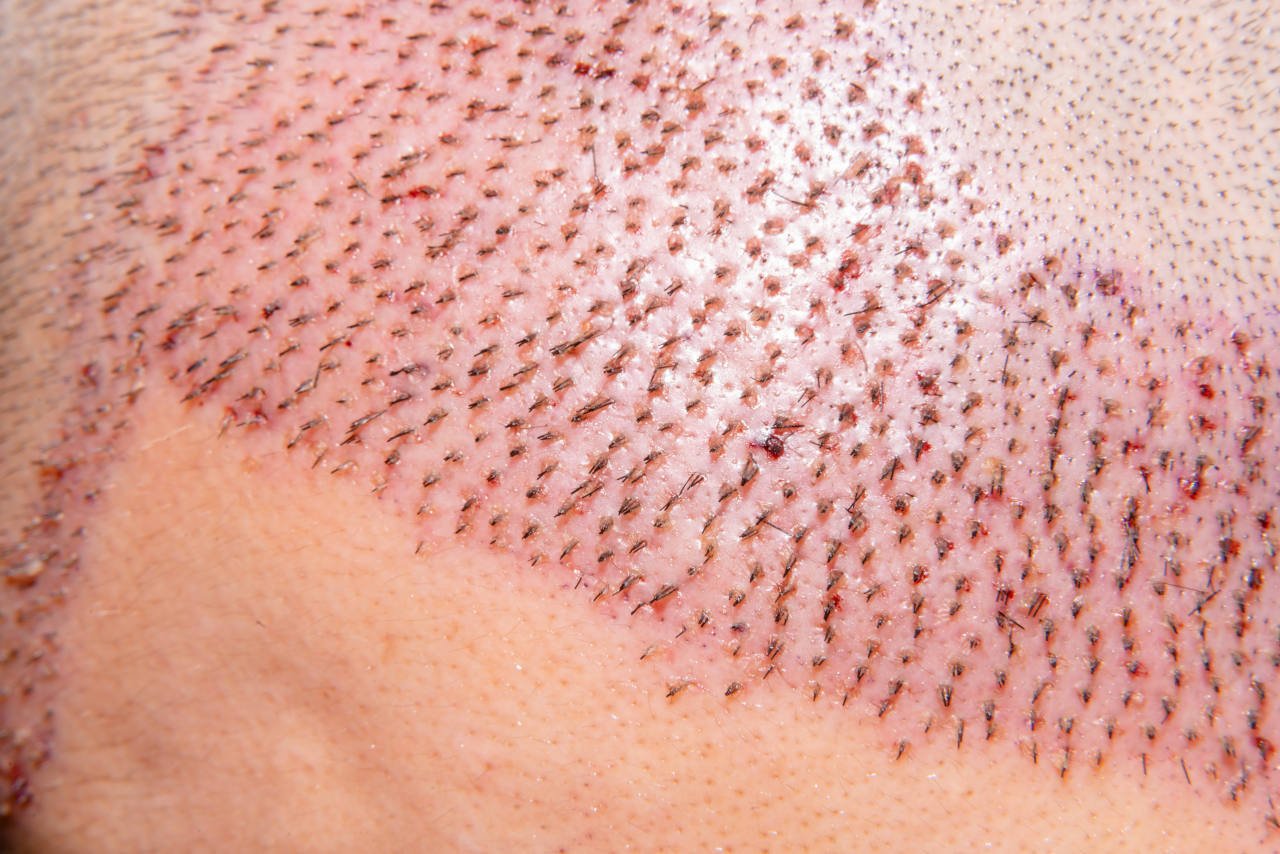
Most patients in Malaysia take about 5–7 days off work. You’ll see tiny scabs forming initially, followed by the “shedding phase” at week three. Don’t panic—this is normal. Your new, permanent hair usually starts peeking through by month four.
Common Risks Associated with Hair Transplants
Every surgery carries some level of risk. Fortunately, most complications from a hair transplant are minor and temporary.
Infection and Scarring Risks
Because the scalp has an incredible blood supply, post-operative infections are rare—occurring in less than 1% of cases. However, if you don’t follow hygiene protocols in Malaysia’s humid climate, you risk folliculitis. As for scarring, FUE leaves tiny “dot” scars that are virtually invisible, while FUT leaves a thin line at the back of the head.
Shock Loss: Causes and Prevention
“Shock loss” is the temporary shedding of your existing hair due to the trauma of surgery. It’s a common physiological response. The good news? It’s almost always temporary. Surgeons often recommend medications like Minoxidil to strengthen existing follicles before the procedure.
Poor Graft Survival and Uneven Results
If follicles are kept out of the body too long or handled roughly, they may not “take.” This leads to patchy results. This is why choosing a surgeon with high graft survival rate expertise is more important than finding the lowest price per graft.
Rare but Serious Complications
While these don’t happen often, being an informed patient means knowing the “worst-case” scenarios.
Nerve Damage and Sensitivity Issues
It’s normal to feel some numbness or “pins and needles” for a few weeks as the nerves in the scalp heal. In very rare cases, persistent numbness can occur if deep nerves were nicked during a FUT procedure.
Excessive Bleeding and Hematoma Formation
A bit of “oozing” on the first night is standard. However, excessive bleeding or a hematoma (a collection of blood under the skin) requires immediate medical attention. This is why doctors ask you to stop taking blood-thinning medications like aspirin or high-dose Vitamin E a week before surgery.
Allergic Reactions to Anesthesia or Medications
Malaysian clinics use local anesthetics (like Lidocaine). While allergic reactions to local anesthesia are extremely rare, they can happen. Always disclose your full medical history and any known drug allergies during your consultation.
Factors That Increase Hair Transplant Risks in Malaysia
Age, Health Conditions, and Lifestyle Factors
Smoking is the enemy of a good transplant. Nicotine constricts blood vessels, starving the new grafts of oxygen. Likewise, uncontrolled diabetes or chronic scalp conditions can hinder the healing process.
Clinic and Surgeon Selection Tips
In Malaysia, ensure your doctor is registered with the National Specialist Register (NSR) and holds a Letter of Credentialing and Privileging (LCP). A “cheap” clinic using unlicensed technicians significantly increases your risk of a botched hairline or infection.
Pre- and Post-Operative Care for Safer Results
The “Malaysian heat” factor is real. Sweat can irritate fresh incisions. Following your clinic’s wash protocol and avoiding direct sunlight for the first 14 days is non-negotiable for a safe recovery.
How to Minimize Risks and Ensure a Safe Hair Transplant
Choosing Certified Malaysian Clinics
Look for clinics in hubs like Kuala Lumpur, Bangsar, or Penang that are transparent about their success rates. Check for memberships in international bodies like the ISHRS.
Preparing Properly Before Surgery
Stop smoking at least two weeks prior.
Avoid alcohol and caffeine 48 hours before the procedure.
Get a good night’s sleep.
Post-Transplant Care Guidelines
Sleep with your head elevated to reduce swelling. Use the saline spray provided by your clinic to keep the grafts hydrated. Most importantly: Do not scratch the grafts, no matter how itchy they get!
Frequently Asked Questions About Hair Transplant Risks
Are Hair Transplant Complications Common?
Not really. When performed by a licensed professional, the complication rate is very low. Most “issues” are just part of the standard healing journey.
How Long Do Side Effects Last?
Swelling usually subsides in 3–5 days. Numbness or itching typically clears up within a month.
Can Complications Be Reversed?
Most aesthetic issues, like an unnatural hairline or poor density, can be fixed with a “repair transplant.” Medical complications like infection are easily treated with antibiotics if caught early.
Conclusion: Making a Safe Hair Transplant Decision in Malaysia
The hair transplant risks are manageable if you prioritize quality over cost. Malaysia offers world-class hair restoration, but the “secret sauce” to success is your own due diligence. Choose an LCP-certified surgeon, follow the aftercare rules to the letter, and your future self will thank you every time you look in the mirror.