

Hair Transplant Myths in Malaysia
If you’ve spent any time scrolling through forums or chatting with friends about thinning hairlines, you’ve probably heard some wild stories. In Malaysia, where the tropical humidity makes every “bad hair day” feel like a personal affront, the quest for a fuller mane is more popular than ever. But with popularity comes a tidal wave of hair transplant myths that can make even the most confident person second-guess the procedure.
Let’s cut through the noise and get to the root of the matter.
Understanding Hair Transplants
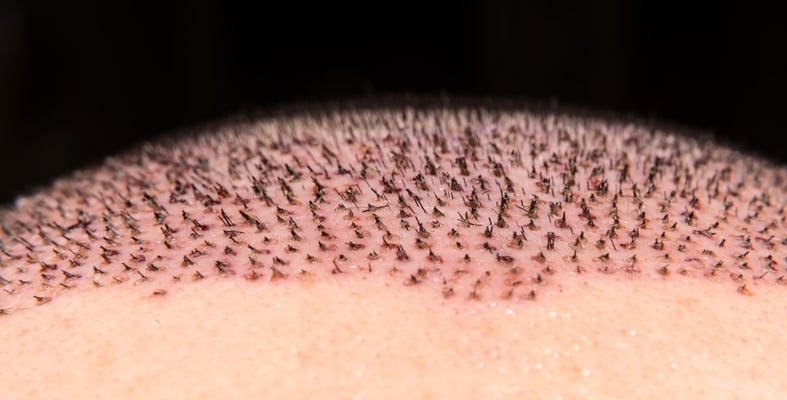
Before we bust the myths, let’s establish a baseline. A hair transplant isn’t magic; it’s a sophisticated surgical relocation of your own DNA.
What Is a Hair Transplant?
In short, it’s a procedure where a surgeon moves hair follicles from a “donor site” (usually the back of your head where hair is thicker) to the “recipient site” (the balding or thinning areas). Because the hair is your own, your body doesn’t reject it, and it continues to grow naturally in its new home.
Common Hair Transplant Methods in Malaysia (FUT vs. FUE)
Most Malaysian clinics specialize in two main techniques:
FUT (Follicular Unit Transplantation): A strip of skin is removed, and follicles are harvested under a microscope. It’s efficient for large-scale coverage.
FUE (Follicular Unit Extraction): This is the crowd favorite in KL and Penang. Individual follicles are plucked one by one. According to ISHRS clinical standards, this method leaves no linear scar and allows for a much faster return to the gym or office.
Typical Costs and Recovery Time
In Malaysia, costs usually range from RM 8,000 to RM 25,000, depending on the number of grafts. Recovery is surprisingly quick; most people are back to their “Mamak” sessions within 3 to 5 days, though full healing takes about a week.
Top Hair Transplant Myths Debunked
Let’s address the misinformation that keeps people from regaining their confidence.
Myth 1: Hair Transplants Look Unnatural
We’ve all seen the “doll hair” plugs from the 80s. Thankfully, those are long gone. Modern surgeons use micro-grafts containing only 1-3 hairs, mimicking the natural patterns of hair growth found on a human scalp. In Malaysia’s top aesthetic clinics, doctors focus heavily on the “angulation” and “density” to ensure the hairline looks soft and organic, not like a picket fence.
Myth 2: Only Older Men Can Get Hair Transplants
While Androgenetic Alopecia (male pattern baldness) is common as we age, younger men in their 20s often seek treatment. However, surgeons usually advise waiting until your hair loss pattern has stabilized. If you’re too young, you might continue losing original hair behind the transplanted area, creating a “floating island” of hair.
Myth 3: Hair Transplants Are Painful
The idea of “surgery” sounds scary, but the reality is much milder. Local anesthesia is used to numb the scalp completely. Most patients describe the sensation as a bit of pressure or a slight tugging. Post-op discomfort is usually managed with standard over-the-counter analgesics like paracetamol.
Myth 4: Transplanted Hair Will Fall Out Again
This is a big one. The hair moved from the back of your head is genetically programmed to be resistant to DHT (dihydrotestosterone), the hormone responsible for hair loss. While you might experience “shock loss” (temporary shedding) a few weeks after the procedure, the permanent hair follicles themselves stay rooted for life.
Myth 5: Hair Transplants Are Too Expensive
Compared to a lifetime of buying expensive “miracle” shampoos, concealers, and hairpieces, a transplant is often more cost-effective. Many clinics in Malaysia now offer 0% interest installment plans, making the upfront cost much more manageable for the average professional.
Factors Affecting Hair Transplant Success in Malaysia
Age, Hair Type, and Donor Area Considerations
Success depends on the quality of your “bank.” If your donor area at the back of the head is thin, you might not have enough grafts for total coverage. Additionally, curly hair provides more “visual volume” than straight hair, which can influence how many grafts you actually need.
Choosing a Certified Malaysian Clinic
Safety first! Ensure your doctor is registered with the National Specialist Register (NSR) and holds a Letter of Credentialing and Privileging (LCP) from the Ministry of Health. This ensures they have the specific medical training and qualifications required to perform aesthetic surgeries in Malaysia.
Post-Transplant Care and Maintenance
Your work doesn’t end when you leave the clinic. You’ll need to avoid direct sunlight, heavy sweating, and scratching the grafts for the first two weeks. Many doctors also recommend staying on Minoxidil or Finasteride to protect your original hair from further thinning.
Frequently Asked Questions About Hair Transplants in Malaysia
Are Hair Transplants Permanent?
Yes! Since the follicles are taken from DHT-resistant zones, they are designed to grow for the rest of your life.
How Long Does It Take to See Results?
Patience is key. You’ll see the first signs of growth at 3-4 months, but the “wow” factor usually happens around the 9 to 12-month mark.
Can Women Get Hair Transplants?
Absolutely. While female hair loss is often more diffuse (spread out), women are excellent candidates for treating thinning crowns or lowering high hairlines.
Conclusion: Making an Informed Hair Transplant Decision
Don’t let hair transplant myths keep you from feeling like the best version of yourself. Malaysia offers some of the best surgeons and most competitive prices in Southeast Asia, provided you do your homework and choose a licensed professional.