


Effective hair loss treatment depends on the underlying cause, typically genetics or hormones. Clinically proven options include FDA-approved Minoxidil (topical) and Finasteride (oral). Advanced therapies like Stem Cell Therapy, Mesotherapy, and PRP injections offer long-term hair regrowth solutions. Consult a dermatologist to create a personalized plan to restore hair density and address scalp imbalances.
Understanding Hair Loss: Why It Happens
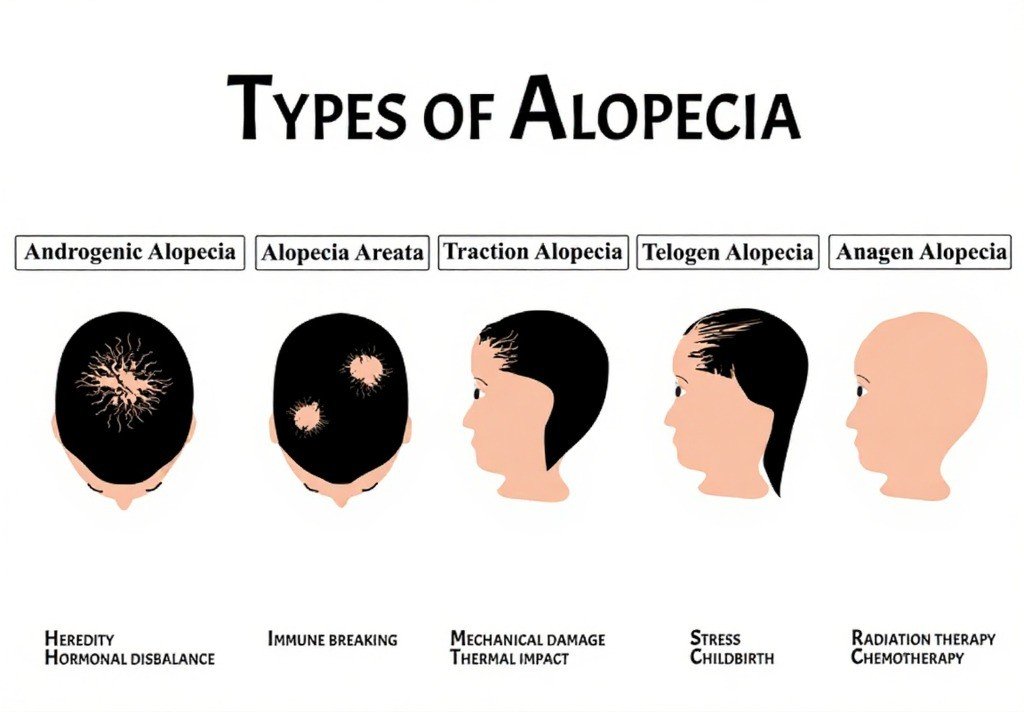
Before choosing a treatment, it is vital to identify the “why” behind the thinning. Hair loss (alopecia) is a universal concern; statistics show that 80% of men will experience it by age 80, and 25% of men see a receding hairline as early as their 20s.
Beyond Androgenetic Alopecia, common triggers include:
Hormones & Menopause: Two-thirds of women notice significant thinning post-menopause.
Scalp Health: Scalp infections, fungal infections, dermatitis, or an overly oily or dry scalp can stunt growth.
Lifestyle & Stress: Excessive shedding (Telogen Effluvium) often follows high-stress periods.
Medications: Certain treatments for other conditions can lead to medication-related hair loss.
Best Clinically Proven Hair Loss Treatments
To see real results, medical experts recommend sticking to treatments backed by rigorous clinical data.
1. FDA-Approved Medications & Injections
Minoxidil & Finasteride: These remain the gold standard for stopping a receding hairline and promoting hair regrowth.
Mesotherapy: This involves nutrient-rich injections targeting weakened follicles to improve hair thickness and elasticity.
2. Regenerative Therapies
Platelet-Rich Plasma (PRP) Therapy: Uses your blood’s growth factors to revitalize dormant follicles and strengthen existing hair.
Stem Cell Therapy: A cutting-edge hair restoration option that activates follicles at a cellular level, encouraging natural hair regeneration.
3. Low-Level Laser Therapy (LLLT)
Red light therapy improves scalp circulation, ensuring nutrients reach the root of the hair.
4. Hair Transplant Surgery (FUE & FUT)
For advanced patchy bald spots, moving individual follicles via Follicular Unit Extraction (FUE) or FUT provides a permanent restoration solution.
Medical Hair Loss Treatments Comparison Table
| Treatment | How it Works | Best For | Key Benefit |
| Minoxidil | Increases blood flow | Early thinning | Accessible OTC |
| Finasteride | Blocks DHT hormone | Male pattern baldness | Stops further loss |
| Stem Cells | Activates follicles | Natural regeneration | High-tech regrowth |
| Mesotherapy | Nutrient boost | Follicle elasticity | Improved hair quality |
| Transplant | Moves follicles | Permanent balding | Natural-looking results |
Safety and Side Effects of Hair Growth Solution
Every clinical treatment has potential risks. Minoxidil may cause minor scalp irritation. Finasteride carries a small risk of sexual side effects in men. When choosing a hair loss clinic, ensure treatments are performed by certified aesthetic doctors who prioritize safety and patient satisfaction.
FAQs: Your Top Questions Answered
1. Is it normal to lose hair every day? Yes. Losing up to 250 hairs daily is considered normal. If you notice excessive shedding or slowing growth, it’s time for a professional consultation.
2. Can these hair loss treatments help with scalp conditions? Medical-grade treatments suit various conditions. They address dermatitis, fungal infections, or oily/dry imbalances that often block healthy hair growth and follicle function.
3. Are these hair loss treatment procedures invasive? Most modern hair growth solutions, like PRP and Mesotherapy, are minimally invasive. They require little to no downtime, making them popular for those with busy lifestyles.
4. What is the difference between PRP and Stem Cell Therapy? PRP uses growth factors to stimulate existing follicles. Stem cell therapy focuses on deep regeneration, helping repair miniaturized follicles for long-term natural hair restoration.
5. How do I know if my hair loss is stress-related? Stress-induced loss typically causes sudden, diffuse shedding across the entire scalp. Genetic loss follows predictable patterns, such as a receding hairline or crown thinning.
6. Can Mesotherapy be combined with other hair growth solutions? Yes. Combining Mesotherapy & Hair Regrowth Injections with medications or PRP improves scalp circulation and provides essential nutrients to optimize your hair density results.
7. At what age should I seek hair loss treatment? Earlier is better. Since 25% of men see thinning by their 20s, starting treatments early preserves active follicles and ensures more effective regrowth outcomes.
8. Can a hair loss treatment fix a dry or oily scalp? Absolutely. Specialist treatments balance sebum production and eliminate infections. This cleanses the follicle environment, which is vital for sustained, healthy hair growth.