
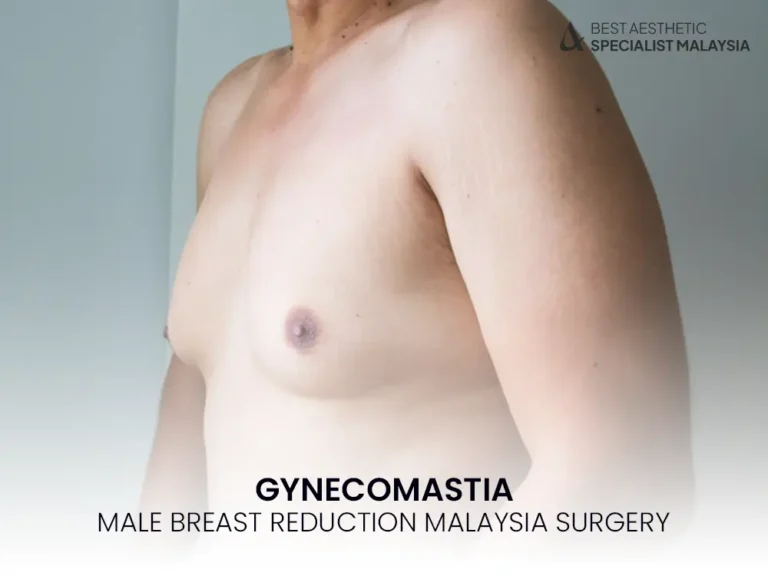

Gynecomastia, the enlargement of male breast tissue, is a common yet often misunderstood condition that affects many men across the globe—including in Malaysia. This condition can cause physical discomfort, emotional distress, and self-esteem issues. Fortunately, male breast reduction surgery offers a safe and effective solution.
What is Gynecomastia?
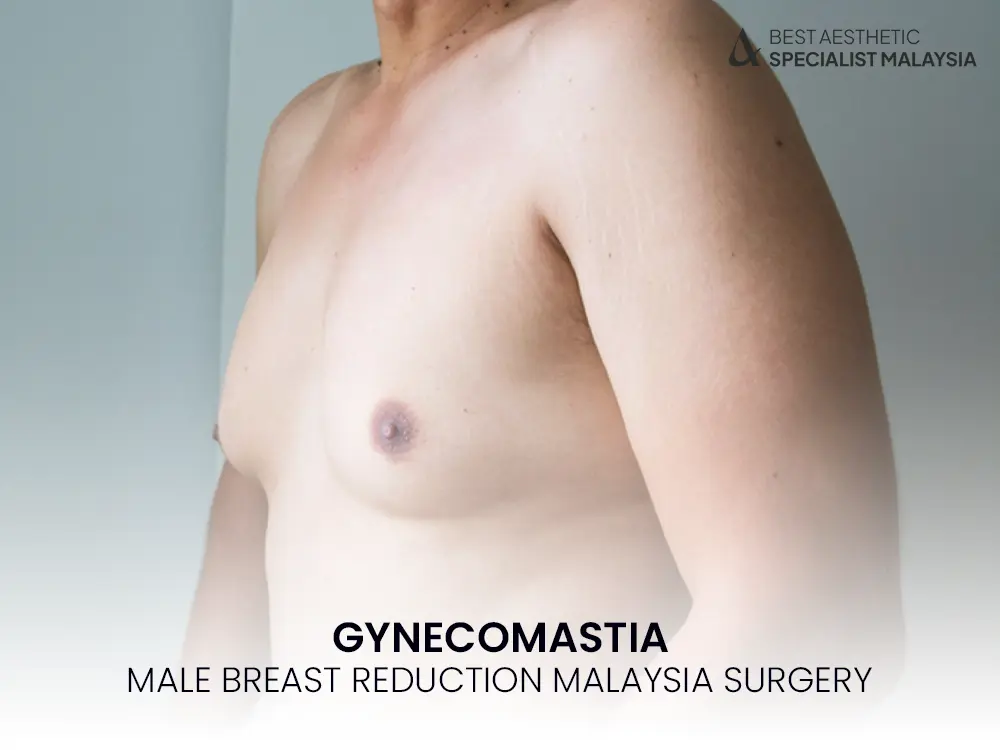
Gynecomastia refers to the benign enlargement of breast gland tissue in males. It can affect one or both breasts and is typically caused by an imbalance between the hormones estrogen and testosterone. While not usually harmful, gynecomastia can significantly impact a man’s confidence and quality of life.
Common causes include:
- Hormonal imbalances (puberty, aging)
- Use of anabolic steroids or certain medications
- Excess body fat (pseudogynecomastia)
- Health conditions like liver or kidney disease
- Genetic predisposition
Do I Have Gynecomastia or Just Chest Fat?
A common question among men is whether their enlarged chest is due to fat or actual breast tissue. True gynecomastia involves glandular tissue and often feels firmer under the nipple area, whereas pseudogynecomastia is caused solely by fat buildup.
Consulting with a certified plastic surgeon in Malaysia is the best way to get an accurate diagnosis through physical examination and imaging if needed.
Gynecomastia Surgery: How It Works
Male breast reduction surgery is a specialized cosmetic procedure that removes excess glandular tissue, fat, and sometimes skin to restore a flatter, more masculine chest contour.
Types of procedures:
- Liposuction – Best for pseudogynecomastia or mild cases. Involves fat removal through small incisions.
- Excision Surgery – Required when dense glandular tissue or excess skin is present.
- Combination Approach – Many patients require both liposuction and excision for optimal results.
Gynecomastia Surgery in Malaysia: Why It’s a Top Choice
Malaysia is becoming a popular destination for gynecomastia surgery due to its:
- Highly trained, board-certified plastic surgeons
- Modern, internationally accredited clinics
- Competitive pricing compared to Western countries
- Strong medical tourism infrastructure
Patients can expect world-class treatment at a fraction of the cost found in the US, UK, or Australia, without compromising safety or quality.
What to Expect: Consultation to Recovery
Here’s a general overview of the male breast reduction journey in Malaysia:
1. Initial Consultation
The surgeon will assess your chest, medical history, and goals. A physical examination and possibly imaging tests will be done to confirm gynecomastia and decide the best treatment plan.
2. Surgery Day
- Usually performed under local or general anesthesia
- Takes 1 to 2 hours depending on complexity
- Same-day discharge in most cases
3. Recovery Process
- Expect mild swelling, bruising, and discomfort for a few days
- A compression garment will be worn for several weeks to support healing
- Most patients return to work within a week, and can resume light exercise after 2–3 weeks
- Final results become more visible after swelling subsides, usually within 1–3 months
Cost of Gynecomastia Surgery in Malaysia
The cost of male breast reduction surgery in Malaysia typically ranges from RM8,000 to RM15,000 depending on:
- Surgeon’s expertise
- Clinic or hospital facilities
- Type of procedure (liposuction vs. excision)
- Complexity of the case
- Whether it’s a one-sided or two-sided correction
While pricing is important, always prioritize a licensed and experienced plastic surgeon for safety and optimal results.
Risks and Considerations
Like any surgery, gynecomastia surgery comes with some risks, although complications are rare when performed by skilled professionals. Possible risks include:
- Scarring
- Infection
- Numbness
- Asymmetry
- Fluid accumulation (seroma)
Your surgeon will guide you through pre- and post-operative care to minimize risks and ensure a smooth recovery.
Benefits of Male Breast Reduction Surgery
- Restores a masculine chest contour
- Improves self-confidence and body image
- Allows for more freedom in clothing choices
- Permanent results with a healthy lifestyle
5 Frequently Asked Questions (FAQs)
1. Is gynecomastia surgery permanent?
Yes, the results are permanent as long as you maintain a healthy weight and avoid hormone-altering substances. However, significant weight gain or steroid use could lead to recurrence.
2. Will I have noticeable scars after the surgery?
Scarring is minimal and usually well-hidden along natural chest contours. Surgeons use small, precise incisions to reduce visible marks. Scars typically fade over time with proper care.
3. How long does it take to recover?
Most patients resume daily activities within a week. Full recovery, including resuming intense physical exercise, usually takes 4 to 6 weeks.
4. Can gynecomastia come back after surgery?
If the underlying causes (like hormone imbalance or steroid use) are not addressed, gynecomastia can recur. Your surgeon will advise you on lifestyle adjustments to maintain results.
5. Is male breast reduction covered by insurance in Malaysia?
Since it is considered a cosmetic procedure, gynecomastia surgery is generally not covered by insurance. However, it’s best to check with your provider, especially if the condition is causing physical pain or psychological distress.
Conclusion: Reclaim Confidence with Gynecomastia Surgery in Malaysia
Living with gynecomastia can be emotionally challenging, but you don’t have to let it affect your confidence or lifestyle. Male breast reduction surgery in Malaysia offers a safe, effective, and affordable solution—performed by expert surgeons in world-class facilities.
If you’re ready to take the next step toward a more masculine, sculpted chest, book a consultation with a licensed plastic surgeon in Malaysia. With the right care, you’ll not only look better—you’ll feel better too.