


If you’ve noticed small, fleshy growths on your neck or underarms, you aren’t alone. Skin tag removal in Malaysia is a common aesthetic procedure sought by thousands to improve skin texture and comfort. These benign growths are easily treated by certified dermatologists using modern, minimally invasive techniques.
Best Aesthetic Specialist Malaysia offers safe and effective Skin Tag Removal in Malaysia, using advanced techniques to ensure minimal downtime and long-lasting, natural results for all skin types.
What Are Skin Tags?
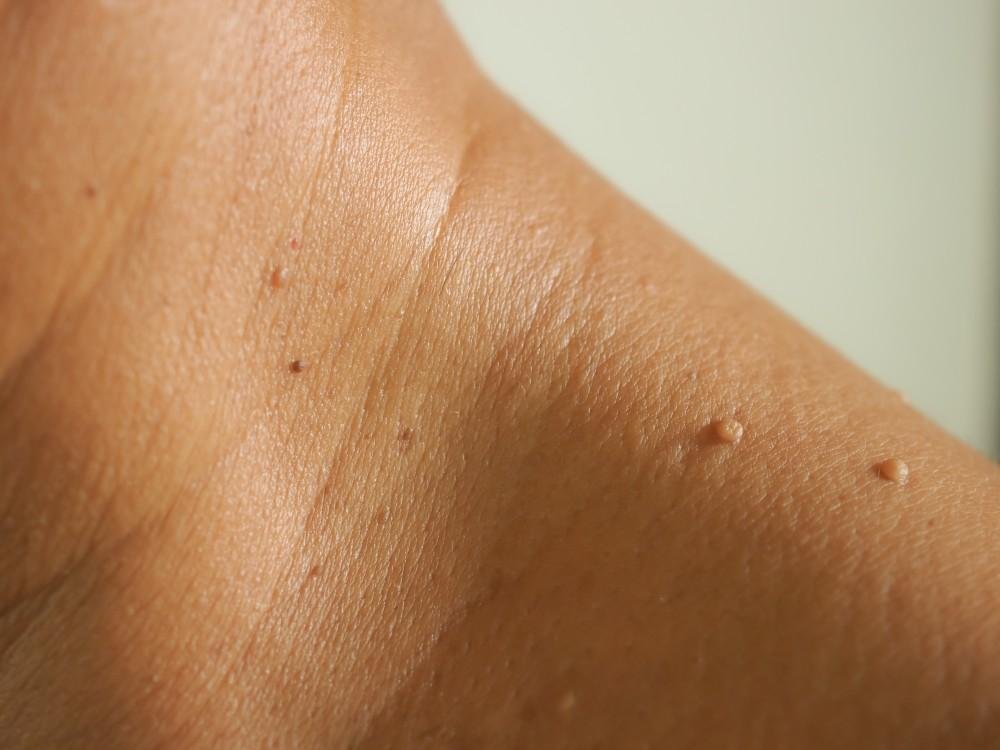
Skin tags, scientifically known as acrochordon, are soft, non-cancerous growths that hang off the skin. They usually match your skin tone or appear slightly darker. While they are harmless, many Malaysians opt for removal because they can snag on jewelry or cause self-consciousness.
Causes and Risk Factors
Friction is the leading cause, which is why tags appear in skin folds. Genetics, obesity, and hormonal shifts during pregnancy also play a role. According to research on metabolic syndromes, there is a strong correlation between skin tags and insulin resistance or Type 2 diabetes.
Common Locations of Skin Tags
You will most frequently find these “flesh tabs” on the neck, armpits, eyelids, and groin area. They thrive where skin rubs against skin or clothing. Because these areas are sensitive, professional removal is preferred over DIY methods to ensure the surrounding tissue remains undamaged.
When to See a Doctor
Most tags are benign, but you should consult a professional if a growth changes color, bleeds, or grows rapidly. A certified Malaysian dermatologist can perform a biopsy if a lesion looks suspicious, ruling out rare skin cancers that might mimic a common tag.
Methods of Skin Tag Removal
Malaysian clinics offer several medical-grade options to clear your skin. The choice often depends on the tag’s size and your pain tolerance. Most procedures are “lunchbreak” treatments, meaning you can return to work immediately after your session.
Cryotherapy (Freezing)
This method uses liquid nitrogen to freeze the skin tag, causing it to fall off within days. It is a quick, effective solution for smaller growths. However, it may cause temporary blistering or light spots (hypopigmentation), especially on deeper skin tones common in Southeast Asia.
Surgical Excision and Ligation
For larger, pedunculated tags, a doctor may use sterile surgical scissors or a scalpel for immediate excision. Alternatively, ligation involves tying off the base with surgical thread to cut off blood supply. This traditional approach is highly effective for tags with a thick “stalk.”
Laser Removal Options
CO2 lasers or Erbium lasers are gold-standard tools in KL clinics. The laser vaporizes the tissue with extreme precision, sealing blood vessels simultaneously. This results in minimal bleeding and a lower risk of infection, making it ideal for visible areas like the face.
Home Remedies: Safe vs Risky
While “skin tag patches” are sold in pharmacies, DIY cutting or using caustic acids can lead to permanent scarring or severe infections. Medical experts strongly advise against “bathroom surgery.” Professional cauterization is much safer and ensures the growth is removed entirely from the root.
Comparison of Removal Methods: Effectiveness & Pain
| Method | Effectiveness | Pain Level | Recovery Time |
| Laser (CO2) | Very High | Low (with numbing) | 3–5 Days |
| Electrocautery | Very High | Mild | 5–7 Days |
| Cryotherapy | High | Moderate (stinging) | 7–10 Days |
| Excision | Instant | Low (local anesthesia) | 2–4 Days |
Who Is a Candidate for Skin Tag Removal?
Almost anyone bothered by these growths is a candidate. Whether for cosmetic reasons or physical irritation, the procedure is inclusive. However, a physical exam is necessary to ensure the growth isn’t actually a viral wart or a mole.
Ideal Candidates by Skin Type
All skin types (Fitzpatrick I-VI) can undergo removal. However, individuals with darker skin should opt for laser or cautery over cryotherapy to avoid post-inflammatory hyperpigmentation (PIH). Your doctor will adjust energy settings to protect your specific melanin levels.
Skin Conditions That Require Medical Attention
If you have active eczema, psoriasis, or a skin infection near the tag, treatment should be delayed. Furthermore, those prone to keloids (raised scars) must inform their clinician. Special care is taken during the healing phase to prevent excessive scar tissue formation.
Age and Health Considerations
Skin tags become more prevalent with age, often appearing after 40. While the procedure is safe for seniors, those on blood thinners or with poorly managed diabetes may require longer healing times. Always disclose your full medical history during the initial consultation.
Skin Tag Removal Procedure in Malaysia
The process is streamlined and professional across private hospitals and aesthetic centers. Most clinics follow MOH Malaysia’s guidelines for minor surgical procedures. You can expect a sterile environment and a focus on patient comfort throughout the session.
Step-by-Step Process at Clinics
Consultation: Assessment of the tag’s nature.
Cleansing: The area is disinfected with alcohol or povidone-iodine.
Numbing: Application of Lidocaine cream or a small injection.
Removal: The chosen device (laser/cautery) removes the tag.
Dressing: An antibiotic ointment and small bandage are applied.
What to Expect During Treatment
You will feel very little. If using a laser, there might be a slight “snapping” sensation or the smell of singed tissue (which is normal). The entire process for a single tag takes less than two minutes, making it incredibly efficient for busy professionals.
Pain Management and Comfort Measures
Clinics prioritize a painless experience. High-strength topical numbing creams (typically 5% Lidocaine) are applied 20–30 minutes before the procedure. For sensitive areas like the eyelids, a local anesthetic injection ensures you feel absolutely nothing during the removal process.
Duration and Number of Sessions
A single session is usually sufficient to clear multiple tags. Depending on the count, your appointment might last 15 to 45 minutes. Unlike some skin treatments that require “cycles,” once a skin tag is physically removed, that specific growth will not grow back.
Recovery and Aftercare
Post-procedure care is vital for a “scar-less” result. While there is zero downtime, the treated spot needs time to regenerate. Following your doctor’s instructions reduces the risk of the area darkening or becoming inflamed during the humid Malaysian weather.
Healing Timeline and Downtime
Day 1–2: A small scab or “crust” forms.
Day 3–7: The scab darkens and begins to dry out.
Day 7–10: The scab falls off naturally, revealing pink new skin.
Week 2+: The pinkness fades to match your natural skin tone.
Post-Treatment Care and Skincare
Keep the area dry for the first 24 hours. Afterward, use a gentle, fragrance-free cleanser. Apply a thin layer of antibiotic ointment or petroleum jelly twice daily. Avoid using harsh actives like Vitamin C or Retinol on the healing spot until the scab has completely shed.
Managing Redness, Scabbing, and Sensitivity
It is normal for the site to look like a small “mosquito bite” initially. Do not pick at the scabs; doing so increases the risk of scarring. If the area feels itchy, a cold compress or a soothing aloe vera gel can provide instant relief.
Preventing Infection and Recurrence
Wash your hands before touching the treated area. Since friction causes tags, wearing loose-fitting clothing during the first week can prevent irritation. While the removed tag won’t return, new ones can form elsewhere if the underlying causes (like friction) persist.
Results and Effectiveness
Professional removal boasts a near 100% success rate. It is one of the most satisfying dermatological procedures because the results are visible the moment you leave the clinic. Your skin will feel smoother and look significantly clearer.
Immediate vs Long-Term Results
Immediately after, the tag is gone, replaced by a small flat mark. Long-term, the skin heals flawlessly. Within a month, most patients cannot even point out where the tag used to be. It provides a permanent solution for existing lesions.
Chances of Recurrence
While that specific tag is gone for good, you may develop new ones nearby if you are predisposed to them. Weight management and reducing neck friction (like heavy chains) can help. Periodic “maintenance” visits every few years are common for those prone to growths.
Skin Tag Removal Cost in Malaysia
Malaysia is a hub for affordable, high-quality medical tourism. Prices for skin tag removal are competitive compared to Western countries. Most clinics charge based on the number of tags or the complexity of the removal method used.
Average Price by Method and Clinic
Electrocautery: RM100 – RM300 for 1-5 tags.
CO2 Laser: RM200 – RM500 per session/area.
Cryotherapy: RM80 – RM200 per lesion.
Surgical Excision: RM150 – RM400 per tag (usually for very large ones).
Factors Affecting Treatment Costs
Location plays a big role; clinics in Bangsar or KLCC may charge a premium. The expertise of the doctor (Dermatologist vs. General Practitioner) and the technology used also influence the final bill. Many clinics offer a “per tag” price that decreases as the volume increases.
Package Deals and Promotions
If you have dozens of tags on your neck or back, look for “unlimited removal” packages. These can range from RM800 to RM1,500 and are much more cost-effective than paying per tag. Always check if the price includes the mandatory consultation and aftercare creams.
Insurance Coverage Considerations
In Malaysia, skin tag removal is usually classified as a cosmetic procedure, meaning it isn’t covered by standard medical insurance like Prudential or AIA. However, if the tag is causing functional impairment (e.g., blocking vision on the eyelid), some surgical plans might cover it.
Risks and Side Effects
While extremely safe, no medical procedure is without minor risks. Choosing a professional minimizes these significantly. Most side effects are temporary and part of the natural inflammatory response of the skin during the healing process.
Common Side Effects
Expect some redness, swelling, and scabbing. These are signs that your body is repairing the area. Some patients might experience temporary skin lightening or darkening at the site, which usually resolves within a few months with proper sun protection.
Rare Complications
Infection is rare but can occur if aftercare is neglected. Signs include pus, increasing pain, or spreading redness. Scarring is also uncommon unless the patient is prone to keloids or picks at the scabs prematurely. Always contact your clinic if you notice unusual symptoms.
FAQs About Skin Tag Removal in Malaysia
Is Skin Tag Removal Safe?
Yes, it is very safe when performed by a medical professional. The risks are minimal compared to the discomfort of leaving an irritated tag in place.
How Long Does Healing Take?
Most people are fully healed within 7 to 14 days. The small scab usually falls off by the end of the first week.
Can Skin Tags Come Back?
A removed tag will not return. However, new tags can develop in the same area due to ongoing friction or genetic factors.
Are There Any Scars After Removal?
With modern lasers and cautery, scarring is highly unlikely. The site usually heals to match the surrounding skin perfectly within a few weeks.
Can Multiple Skin Tags Be Removed at Once?
Yes, doctors can remove dozens of tags in a single session. This is the most efficient way to achieve clear skin.
How to Book Skin Tag Removal in Malaysia
Booking is simple! Most clinics accept appointments via WhatsApp or their website. Start with a consultation to get an accurate quote and ensure your “tags” are indeed benign before proceeding with the quick removal.