
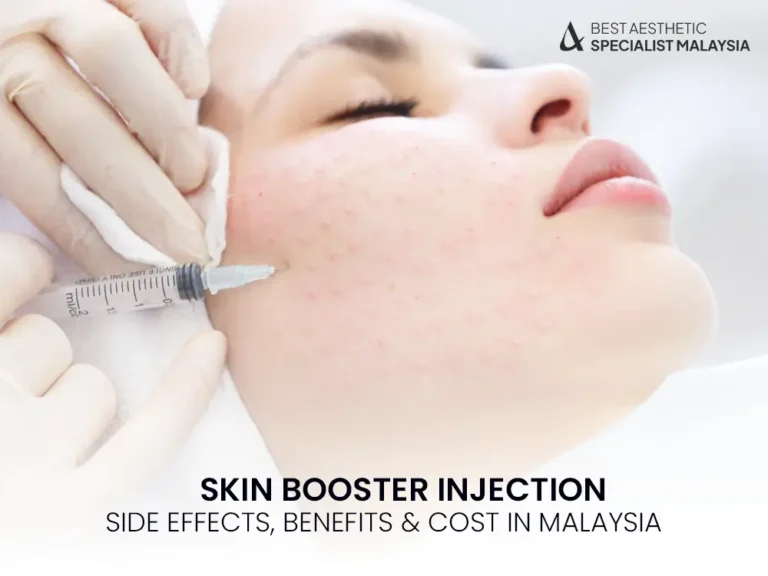


Skin boosters are injectable treatments designed to improve skin hydration, elasticity, and overall radiance. Using hyaluronic acid and other skin-revitalizing ingredients, they can help smooth fine lines, enhance skin texture, and restore a youthful glow. Safe, minimally invasive, and effective, skin boosters offer visible results with little to no downtime.
What Are Skin Boosters?
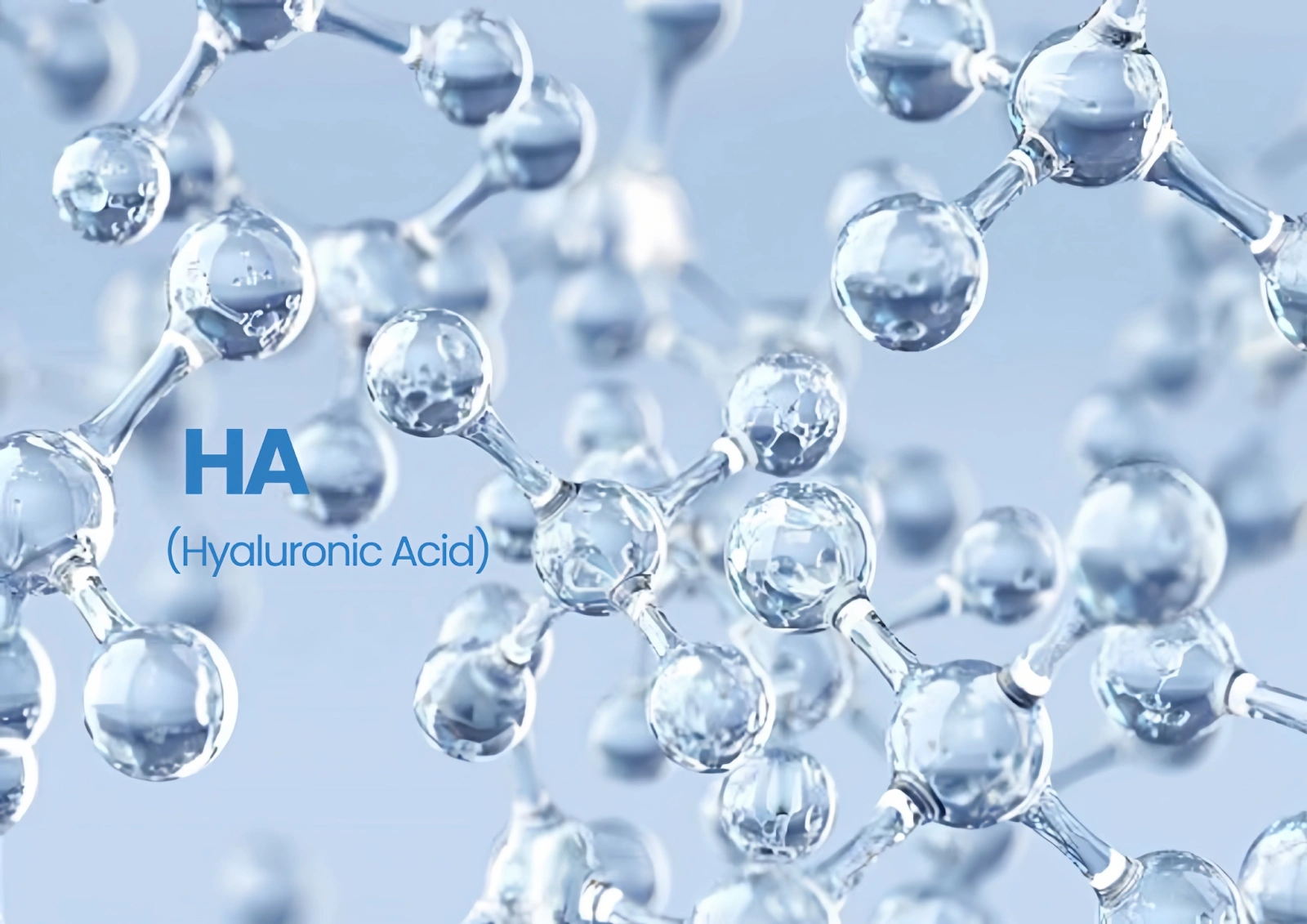
Unlike traditional dermal fillers that focus on adding volume, skin boosters work differently—they hydrate from within. By injecting hyaluronic acid or other bioactive substances into the skin, these treatments improve elasticity, reduce fine lines, and boost overall skin quality. The goal isn’t to change your facial contours but to leave your skin looking fresher, smoother, and more radiant.
Signs You Might Benefit from Skin Boosters
Skin boosters can help with:
Dry or dehydrated skin: Rough, tight, or lackluster skin that needs a hydration boost.
Fine lines and wrinkles: Especially those caused by loss of skin elasticity.
Dull or uneven skin tone: Tired-looking skin, pigmentation irregularities, or uneven texture.
Mild skin sagging: Loss of firmness in areas like the cheeks or jawline.
Sun damage: Photoaging signs like dark spots, rough texture, and hyperpigmentation.
Why Skin Issues Happen
Several factors can make your skin lose its glow or elasticity:
Aging: Collagen and elastin naturally decrease over time, causing thinner, less hydrated skin.
Sun exposure: UV rays damage your skin’s barrier, leading to dryness and premature aging.
Dehydration: Not drinking enough water can make skin look dull and lifeless.
Environmental stressors: Pollution, smoking, and harsh weather strip your skin of nutrients.
Genetics: Some people are naturally more prone to texture changes or early signs of aging.
How to Know If Skin Boosters Are Right for You
A qualified practitioner will evaluate your skin to see if boosters are suitable. The process usually includes:
Skin assessment: Checking texture, hydration, and areas of concern like wrinkles or dullness.
Medical history review: Ensuring no health issues could affect treatment.
Discussing your goals: Understanding what you want to achieve in terms of hydration, smoothness, and overall skin appearance.
Treatment Options
Different skin boosters target different needs:
Hyaluronic acid boosters: The most common type, improving hydration, elasticity, and fine lines.
Calcium hydroxylapatite (CaHA): Stimulates collagen for longer-lasting rejuvenation.
Poly-L-lactic acid (PLLA): Gradually boosts collagen for long-term improvements.
Vitamin-enriched boosters: Include vitamins like C, E, and B5 to enhance tone, texture, and healing.
The treatment involves small, shallow injections across targeted areas. Most people experience only mild discomfort.
Risks and Side Effects
While generally safe, skin boosters carry some potential risks:
Temporary bruising or swelling.
Rare infection, especially if aftercare isn’t followed.
Uncommon allergic reactions.
Rare overcorrection or uneven texture if too much product is injected.
Vascular complications—extremely rare with a skilled practitioner.
Choosing an experienced, licensed clinician significantly reduces these risks.
Aftercare Tips
Proper care helps results last longer and keeps risks low:
Avoid touching or rubbing the treated area for 24–48 hours.
Use cold compresses to reduce swelling or bruising.
Drink plenty of water to maintain hydration.
Avoid heat and direct sun for a few days.
Keep follow-up appointments to monitor progress.
When to See a Doctor
Contact your healthcare provider if you notice:
Excessive swelling or bruising that doesn’t subside.
Signs of infection: redness, warmth, or pus.
Allergic reactions: itching, hives, or difficulty breathing.
Severe or worsening pain.
Hard lumps or uneven texture persisting after a week.
FAQs About Skin Boosters
1. How long do results last?
Typically 6–12 months, depending on the product and your skin’s response.
2. Are skin boosters painful?
Most patients feel only mild discomfort. Numbing creams or local anesthetic can make it more comfortable.
3. Can they be combined with other treatments?
Yes. Botox, dermal fillers, and chemical peels can be combined for enhanced results under professional guidance.
4. Who is a good candidate?
Most adults seeking hydrated, smoother skin. Not recommended if pregnant or breastfeeding.
5. Can skin boosters help with acne scars?
They improve texture and tone but aren’t a primary solution for deep scars. Microneedling or laser treatments may be more effective.
6. How soon will I see results?
Initial hydration improvements are often visible within a few days, with full benefits appearing over 1–2 weeks.
Conclusion
Skin boosters are a safe, minimally invasive way to revitalize your skin, improve hydration, and smooth fine lines. Choosing a skilled practitioner is key to achieving natural, long-lasting results. With the right care and realistic expectations, skin boosters can help your skin look healthier, radiant, and more youthful.