

Ever looked in the mirror and wished for a bit more harmony? In Malaysia, rhinoplasty is a top choice for those wanting to refine their profile. Whether it’s for better breathing or a confidence boost, 2026 brings safer, more precise techniques to our local aesthetic centers.
Best Aesthetic Specialist Malaysia provides expert nose reshaping surgery in Malaysia. Their board-certified surgeons perform advanced rhinoplasty to enhance facial harmony and improve breathing with natural, long-lasting results.
What Is Rhinoplasty Surgery? Understanding Nose Reshaping
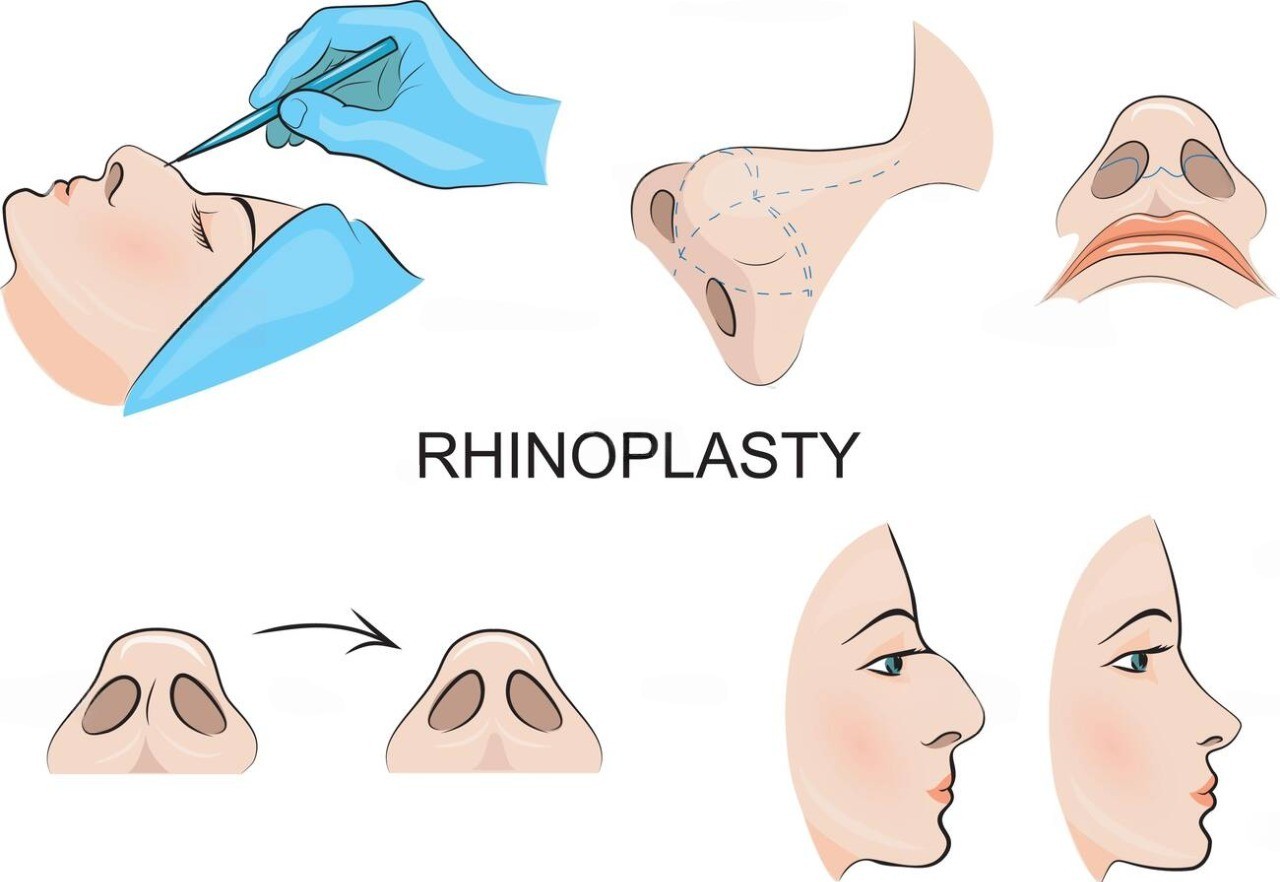
Rhinoplasty is a surgical procedure that modifies the bone, cartilage, and skin of the nose. It aims to improve nasal function, aesthetic appearance, or both. In Malaysia, it’s a highly sought-after facial plastic surgery for achieving better facial symmetry and resolving structural issues.
Functional vs. Cosmetic Rhinoplasty: Key Differences
Cosmetic rhinoplasty focuses on appearance, like narrowing a bridge or refining a tip. Functional surgery, however, corrects internal blockages like a deviated septum. Often, surgeons perform a “septorhinoplasty” to ensure you look great and breathe clearly by addressing both form and function.
Open vs. Closed Rhinoplasty Techniques
In an open rhinoplasty, a tiny incision is made across the columella for maximum visibility. Closed rhinoplasty hides all incisions inside the nostrils. While closed offers no visible scarring, the open approach provides the structural precision needed for complex reconstructions often required in Asian noses.
Common Concerns Rhinoplasty Addresses
This surgery fixes “humps,” wide bridges, or drooping tips. It also corrects nasal asymmetry caused by injury. In Malaysia, many seek to increase the projection of the nasal bridge or refine a bulbous tip, creating a balanced look that complements other Asian facial features.
Who Is a Good Candidate for Rhinoplasty Surgery?
The best candidates are healthy non-smokers with realistic expectations. You should want to improve your nose, not achieve “perfection.” Physical maturity is also a must; your facial bones should be fully grown before you consider a permanent surgical change to your central facial feature.
Signs You May Need Nose Reshaping
Do you struggle with chronic congestion or snoring? Or perhaps you feel your nose is out of proportion with your chin and forehead. If structural issues affect your sleep or if you are self-conscious about your profile, consulting a specialist is the first step toward a solution.
Age Considerations for Rhinoplasty
Surgeons typically recommend waiting until age 15 for girls and 17 for boys. This ensures the nasal anatomy is stable. There is no upper age limit, provided you are in good health. Older patients often combine it with a facelift for comprehensive facial rejuvenation.
Medical Conditions That Affect Candidacy
Bleeding disorders, severe asthma, or uncontrolled high blood pressure can complicate surgery. You must disclose all medications and supplements. Your surgeon will ensure your medical status is optimized to minimize risks during anesthesia and facilitate a smooth, complication-free healing process.
Types of Rhinoplasty Techniques Available in Malaysia
Malaysia’s aesthetic landscape offers diverse techniques tailored to specific needs. From subtle tip refinements to complete structural overhauls, the goal is always a natural result. Modern surgeons use advanced imaging to plan your new look, ensuring the outcome fits your unique facial proportions.
Open Rhinoplasty: Precision for Complex Cases
Open rhinoplasty is the gold standard for major structural changes. By lifting the skin, the surgeon gains full access to the nasal framework. This is ideal for significant bridge augmentation or correcting severe trauma, allowing for the most accurate placement of grafts.
Closed Rhinoplasty: Minimally Invasive Approach
Perfect for minor bridge reductions or simple narrowings, the closed technique leaves no external scars. Recovery is often slightly faster since there is less disruption to the nasal tissues. However, it requires an exceptionally skilled surgeon to operate effectively through limited internal access.
Tip Rhinoplasty: Refining the Nasal Tip
Focused solely on the bottom third of the nose, tip rhinoplasty reshapes the cartilage to fix bulbous, drooping, or “hooked” tips. It’s less invasive than a full rhinoplasty but can have a massive impact on your overall appearance by making the nose look more delicate.
Revision Rhinoplasty: Correcting Previous Surgery
If a primary surgery didn’t meet expectations or caused breathing issues, revision rhinoplasty is needed. This is much more complex due to scar tissue and requires a specialist with extensive experience. It often involves using cartilage from the ear or rib for reconstruction.
Rhinoplasty Surgery Procedure: What to Expect
Surgery day is a major event, but knowing the steps makes it easier. Most procedures are outpatient, meaning you go home the same day. From the initial “numbing” to the placement of the protective splint, every step is designed for your safety and comfort.
Consultation and Pre-Surgery Assessment
Your surgeon will take photos and perform an internal exam. You’ll discuss your goals—maybe using 3D simulations. Be sure to check your doctor’s LCP credentials during this meeting to ensure they are legally certified by the Ministry of Health to perform aesthetic surgeries.
Anaesthesia Options for Rhinoplasty
Most rhinoplasties in Malaysia are performed under general anesthesia for total patient comfort. For very minor tip work, local anesthesia with deep sedation (twilight sleep) might be an option. Your anesthesiologist will monitor you closely to ensure you remain pain-free and stable throughout.
Surgical Duration by Complexity
A simple bridge augmentation might take 1.5 to 2 hours. Complex revision cases or septorhinoplasties can last 3 to 4 hours. The time varies based on whether cartilage grafts need to be harvested from other parts of your body to build up the nasal structure.
Rhinoplasty Recovery Timeline and Aftercare
Expect a splint on your nose for about a week. Swelling and bruising around the eyes usually peak at day 3 and fade by day 10. Most Malaysians return to office work after 7 to 14 days, avoiding heavy glasses or strenuous exercise for a month.
Rhinoplasty Cost in Malaysia
Pricing in Malaysia is competitive for the high level of medical expertise provided. Costs generally include the surgeon’s fee, hospital facility charges, anesthesia, and follow-up care. It’s a significant investment, so always prioritize the surgeon’s skill over the lowest price.
Average Price Range for Nose Reshaping Surgery
In 2026, a primary rhinoplasty in Malaysia typically ranges from RM15,000 to RM30,000. Complex revision surgeries or those requiring rib grafts can cost between RM35,000 and RM50,000. Prices vary depending on whether you choose a private specialist clinic or a larger medical center.
Factors Affecting Rhinoplasty Cost
Complexity is the main driver; fixing a “crooked” nose costs more than a simple bridge lift. The surgeon’s seniority and the materials used (like silicone vs. ear cartilage) also impact the price. Don’t forget to factor in post-surgery medications and follow-up visits.
Does Insurance Cover Functional Rhinoplasty?
Cosmetic changes are out-of-pocket. However, if your surgery corrects a deviated septum or breathing obstruction, some Malaysian insurance providers may cover the “functional” portion. You’ll need a report from an ENT specialist to support your claim for medical necessity.
Finding the Best Rhinoplasty Surgeon in Malaysia
Your nose is the centerpiece of your face—choose its sculptor wisely! A good surgeon listens more than they talk and prioritizes your long-term health. Look for someone who specializes specifically in facial structures rather than a “jack-of-all-trades” general surgeon.
Qualifications to Look for in a Nose Surgery Specialist
Your surgeon should be a National Specialist Register (NSR) certified Plastic Surgeon or an ENT specialist with sub-specialization in facial plastics. Membership in MAPACS is a strong indicator of quality. These credentials prove they’ve undergone rigorous, government-approved training.
Questions to Ask During Your Rhinoplasty Consultation
Ask: “How many rhinoplasties do you perform a month?” and “What is your plan if my breathing doesn’t improve?” Request to see before-and-after photos of patients with similar ethnic features to yours to ensure their aesthetic style matches your personal goals.
How to Verify Surgeon Credentials in Malaysia
Search the National Specialist Register website using the doctor’s name. If they aren’t listed as a specialist, they shouldn’t be performing invasive surgery. Authentic clinics also display their Ministry of Health (KKM) license, which you can verify for peace of mind.
Rhinoplasty Before and After: What Results to Expect
Transformation takes time. You’ll see a difference the day the splint comes off, but your “final” nose won’t reveal itself for many months. The goal is a nose that looks like you were born with it—natural, functional, and in perfect harmony.
Realistic Outcomes from Nose Reshaping
Rhinoplasty can create a significant change, but it won’t change your entire identity. You should expect a nose that better fits your face. While swelling can hide details early on, the eventual result should be a more balanced, refined version of your original profile.
Longevity of Rhinoplasty Results
Unlike fillers, surgical rhinoplasty results are permanent. Once the bone and cartilage are reshaped, the change lasts a lifetime. While your nose will age along with the rest of your face, the structural improvements made during surgery will remain stable for decades to come.
Scarring and Healing Progression After Rhinoplasty
With closed rhinoplasty, there are zero external scars. With open rhinoplasty, the tiny columellar scar usually becomes invisible after 6 months. Most “healing” happens in the first month, but the nasal tip can hold swelling for up to a year or more.
Risks and Complications of Rhinoplasty Surgery
All surgery carries risk, and the nose is particularly delicate. Complications can include persistent numbness, nosebleeds, or dissatisfaction with the look. Choosing an accredited specialist and following all aftercare instructions are your best tools for minimizing these potential issues.
Common Side Effects After Nose Surgery
Temporary stuffiness, a dull headache, and minor nosebleeds are standard for the first few days. You may also feel some numbness in the upper teeth or the tip of the nose. These side effects are temporary and usually resolve as the initial inflammation goes down.
Rare but Serious Complications
Rare risks include infection, septal perforation (a hole in the septum), or a reaction to anesthesia. In some cases, the skin may not heal properly. This highlights why having your surgery in a sterile hospital environment with a qualified team is non-negotiable for safety.
How to Minimise Rhinoplasty Risks
Don’t smoke! Nicotine restricts blood flow and can lead to skin death in the nose. Keep your head elevated, avoid blowing your nose, and attend all follow-up appointments. Following these simple rules significantly lowers your chance of post-operative complications or the need for revision.
Frequently Asked Questions About Rhinoplasty in Malaysia
Is Rhinoplasty Surgery Painful?
Most patients are surprised that it’s more “uncomfortable” than painful. It feels like a bad head cold or sinus pressure. The packing (if used) can be annoying, but standard pain medication usually manages any discomfort easily during the first few days.
How Long Is Recovery After Nose Reshaping?
The “social downtime” is about 10 to 14 days. By then, most bruising is gone or coverable with makeup. However, you must wait 4–6 weeks before resuming sports. The full internal recovery and final “shrinking” of the skin take up to a full year.
When Will I See Final Rhinoplasty Results?
You’ll see a big change at 1 month, but the final 10% of the result—especially in the tip—takes 12 to 18 months. In Malaysia’s heat, swelling can fluctuate, so patience is essential as your nose settles into its permanent shape.
Can Rhinoplasty Be Combined with Other Procedures?
Yes! Many Malaysians combine it with chin augmentation to balance the profile or blepharoplasty (eyelid surgery) for a full facial refresh. Combining surgeries means one anesthesia session and one recovery period, making it an efficient way to achieve your aesthetic goals.