


Physical Sunscreen vs Chemical Sunscreen
Deciding between physical sunscreen vs chemical sunscreen feels a bit like choosing between iced Milo or Teh Tarik—both have their fans, and the “best” one depends entirely on your vibe (and your skin type). In Malaysia’s relentless heat, picking the wrong formula can lead to a greasy mess or, worse, a painful sunburn. Let’s break down the science so you can glow without the sting.
Understanding the Differences Between Physical and Chemical Sunscreens
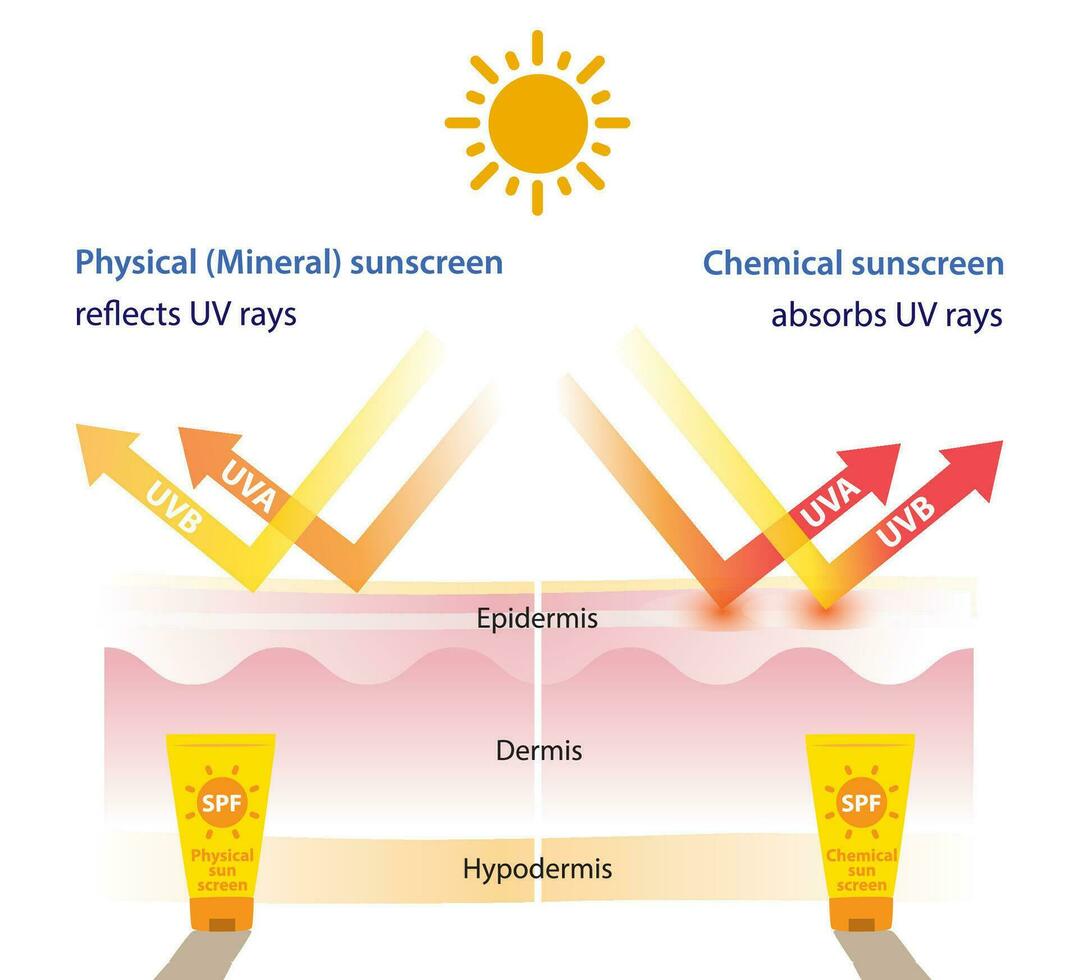
While both keep you from turning into a lobster, they go about it in completely different ways.
What is Physical (Mineral) Sunscreen?
Physical sunscreens, often called mineral sunscreens, use active mineral ingredients—specifically Zinc Oxide or Titanium Dioxide. These sit on top of the skin and act as a physical shield.
What is Chemical Sunscreen?
Chemical sunscreens contain organic (carbon-based) compounds like oxybenzone, avobenzone, octisalate, and octocrylene. According to the American Academy of Dermatology, these formulas are absorbed into the top layer of your skin.
How Each Type Protects Your Skin
The Skin Cancer Foundation explains that physical blockers reflect and scatter UV rays like a mirror. On the flip side, chemical filters act like a sponge, absorbing UV rays, converting them into heat, and releasing that heat from the skin.
Benefits of Physical vs Chemical Sunscreens
Advantages of Physical Sunscreen
Instant Protection: No need to wait; it works the moment you swipe it on.
Heat Reflection: Because it reflects heat, it’s a winner for those with melasma or rosacea.
Shelf Life: Generally stays stable longer under UV light.
Advantages of Chemical Sunscreen
Cosmetically Elegant: These are usually thinner and spread easily, making them invisible on deeper skin tones.
Resilience: Better for swimming or sweating during a hike up Bukit Gasing since they don’t rub off as easily.
Which Skin Types Benefit Most from Each
Physical is the GOAT for sensitive skin and babies. Chemical formulas are often preferred by those with oily skin who want a weightless, “no-grease” finish.
Choosing the Right Sunscreen for Malaysian Skin
SPF Ratings and Broad-Spectrum Protection
In Malaysia, don’t settle for less than SPF 30. “Broad-spectrum” is non-negotiable because you need protection from both UVB (burning) and UVA (aging) rays.
Formulations for Hot and Humid Climates
The World Health Organization notes that UV levels are highest near the equator. Look for “sebum-control” or “aqua” textures to prevent that “melting” feeling during a humid afternoon in KL.
Sensitive, Acne-Prone, and Oily Skin Considerations
If you’re acne-prone, look for non-comedogenic labels. Many mineral sunscreens now use micronized zinc, which protects without clogging pores or leaving you looking like a 19th-century ghost.
How to Apply Physical and Chemical Sunscreens Correctly
Daily Application Tips
For chemical sunscreens, apply 20 minutes before heading out to let the filters “set.” For physical, just make sure you blend thoroughly to avoid streaks.
Reapplication Guidelines in Malaysian Weather
Sweat happens. You should reapply every two hours. If you’re wearing makeup, a sunstick or a mineral powder with SPF is a lifesaver for touch-ups.
Layering with Skincare and Makeup
The rule of thumb: Sunscreen is always the final step of your skincare routine but goes under your foundation.
Common Myths and Misconceptions
White Cast Concerns
“Physical sunscreen makes me look purple.” This used to be true, but modern nano-zinc technology has made mineral formulas much more transparent and inclusive.
Allergic Reactions and Irritation Myths
People often think chemical sunscreens are “toxic.” While some people are sensitive to specific filters, the U.S. Food and Drug Administration continues to monitor ingredients to ensure they meet safety standards for consumer use.
Misunderstandings About Effectiveness
One isn’t “stronger” than the other. An SPF 50 physical screen provides the same level of UVB protection as an SPF 50 chemical screen—they just use different paths to get there.
Popular Physical and Chemical Sunscreens Available in Malaysia
Drugstore and Budget-Friendly Options
Physical: Biore UV Barrier Me Cushion Gentle Essence – affordable and great for sensitive skin.
Chemical: Sunplay Skin Aqua Super Moisture Gel – a cult favorite for its water-like texture.
Premium and Dermatologist-Recommended Brands
Physical: SkinCeuticals Physical Fusion UV Defense – a tinted mineral fluid that glows.
Chemical: La Roche-Posay Anthelios UVMune 400 – cutting-edge filters for maximum protection.
Where to Buy Online Safely
Stick to LazMall or Shopee Mall to avoid counterfeits. Look for official global stores for J-Beauty and K-Beauty brands like Isntree or Anessa.
FAQs: Physical vs Chemical Sunscreen in Malaysia
Can I Mix Physical and Chemical Sunscreens?
It’s better to buy a hybrid sunscreen (which contains both) rather than mixing two different products in your hand, as this can destabilize the formulas and leave gaps in your protection.
Which Lasts Longer on the Skin?
Physical sunscreen stays effective as long as it’s on your skin, but it rubs off easily. Chemical sunscreen gets “used up” as it absorbs UV rays, which is why the two-hour reapplication rule is so vital.
Best Choice for Outdoor Activities
For a beach day at Port Dickson, a water-resistant chemical or hybrid sunscreen is usually the best bet because it clings to the skin better during activity.