


Liposuction is one of the most popular cosmetic procedures worldwide, designed to remove stubborn fat deposits and reshape body contours. While the procedure can deliver dramatic results, it’s important to understand the liposuction risks and possible side effects before deciding to undergo surgery.
Like any surgical procedure, liposuction carries certain medical considerations. Knowing what to expect helps patients make informed decisions, prepare properly, and reduce complications.
This guide explores the potential Liposuction risks, common side effects, safety considerations, and how to minimize complications if you’re considering liposuction.
Understanding Liposuction Risks Before Surgery
Before undergoing liposuction, patients should clearly understand the liposuction risks associated with the procedure. Although modern techniques have made the surgery safer than ever, complications can still occur.
Liposuction involves inserting a thin tube called a cannula under the skin to break up and suction out fat cells. The process typically uses anesthesia and requires careful surgical planning to ensure safe fat removal.
When performed by experienced surgeons in accredited facilities, the procedure is generally safe. However, factors such as medical history, surgical technique, and recovery compliance all influence potential Liposuction risks.
What Is Liposuction?
Liposuction is a popular cosmetic surgery procedure designed to remove stubborn fat deposits from specific areas of the body. It helps reshape and contour the body by targeting fat that does not respond well to diet and exercise.
During the procedure, a surgeon inserts a thin tube called a cannula through small incisions in the skin. The cannula is used to break up and suction out excess fat cells, creating a smoother and more proportionate body shape.
Liposuction can be performed on several areas of the body where fat tends to accumulate, including:
Abdomen
Thighs
Hips
Arms
Chin and neck
Back
Buttocks
Some patients also undergo liposuction in areas such as the waist, flanks (love handles), or chest depending on their body contouring goals.
Body Contouring, Not Weight Loss
It is important to understand that liposuction is not a weight-loss procedure. Instead, it is a body contouring treatment designed to sculpt the body by removing localized fat pockets.
People who are significantly overweight are usually advised to focus on weight loss through lifestyle changes or medical treatments before considering liposuction.
The procedure works best for individuals who are already close to their ideal body weight but struggle with stubborn fat deposits that remain despite consistent diet and exercise.
Several modern techniques exist today, including:
- Tumescent liposuction
- Laser-assisted liposuction (SmartLipo)
- Ultrasound-assisted liposuction (VASER)
- Power-assisted liposuction (PAL)
Each method has slightly different advantages and potential Liposuction risks.
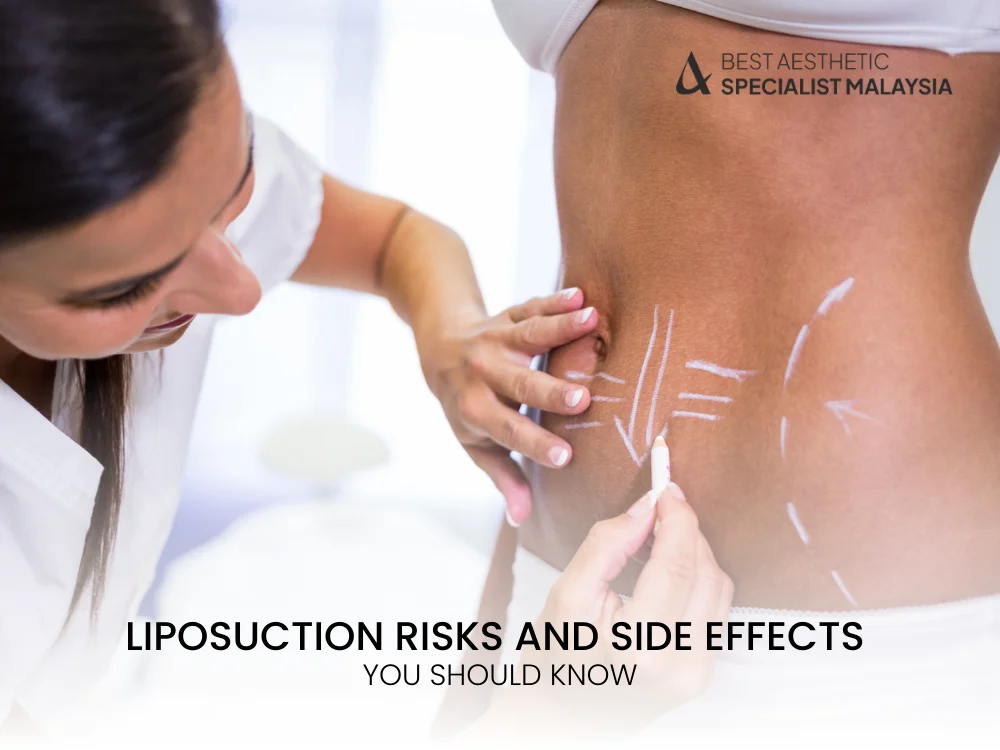
Common Liposuction Side Effects
Many side effects after liposuction are temporary and part of the normal healing process.
1. Swelling
Swelling is one of the most common post-surgical effects. It can last several weeks and sometimes months before fully resolving.
Compression garments are usually recommended to reduce swelling and support healing.
2. Bruising
Bruising occurs due to small blood vessels being disrupted during fat removal. Most bruising fades within 2–3 weeks.
3. Mild Pain or Discomfort
Patients may experience soreness similar to muscle aches. This discomfort typically improves within a few days and is managed with prescribed medication.
4. Temporary Numbness
Nerve irritation can cause numbness in the treated area. Sensation generally returns over time as the nerves heal.
5. Fluid Drainage
Small incisions may release fluid in the days following surgery. This is a normal part of recovery.
Potential Liposuction Risks and Complications
Although uncommon, certain complications may occur if liposuction is not performed properly or if aftercare instructions are not followed.
Infection
Any surgical procedure carries a risk of infection. Proper sterilization, antibiotics, and good wound care significantly reduce this risk.
Seroma (Fluid Accumulation)
Seromas occur when fluid collects under the skin. Doctors may drain the fluid if necessary.
Contour Irregularities
Uneven fat removal can lead to bumps, dents, or asymmetrical results. Skilled surgical technique helps minimize this issue.
Blood Clots
In rare cases, blood clots can develop and travel to the lungs. Early movement after surgery helps prevent clot formation.
Fat Embolism
A fat embolism occurs when fat enters the bloodstream and blocks blood vessels. This complication is extremely rare but serious.
Who Is at Higher Risk for Liposuction Complications?
Certain individuals may have a higher chance of experiencing complications.
Higher-risk factors include:
- Smoking
- Obesity
- Poor skin elasticity
- Chronic medical conditions
- Diabetes
- Heart disease
- Blood clotting disorders
Patients should always undergo a thorough medical evaluation before surgery.
How Modern Liposuction Techniques Improve Safety
Advancements in cosmetic surgery have significantly improved liposuction safety.
Modern techniques include:
Tumescent Technique
Large amounts of diluted anesthetic solution are injected into the treatment area. This reduces bleeding, bruising, and discomfort.
VASER Liposuction
Ultrasound energy breaks down fat cells before removal, allowing more precise fat extraction.
Laser Liposuction
Laser energy melts fat and can stimulate collagen production for tighter skin.
While these technologies reduce trauma, surgeon experience remains the most important safety factor.
Recovery Timeline After Liposuction
Understanding the recovery process helps reduce stress and complications.
First Week
- Swelling and bruising are most noticeable
- Compression garments required
- Light walking encouraged
Weeks 2–4
- Most swelling improves
- Return to normal activities gradually
Months 2–3
- Final body contours begin to appear
Up to 6 Months
- Residual swelling disappears
- Final results visible
Following post-surgery care instructions is essential for safe recovery.
How to Reduce Liposuction Risks
Patients can significantly reduce liposuction risks by following a few important steps.
Choose a Qualified Surgeon
Always select a board-certified plastic surgeon with extensive liposuction experience.
Follow Pre-Surgery Instructions
Your surgeon may advise:
- Stopping smoking
- Avoiding certain medications
- Completing medical tests
Wear Compression Garments
These garments help reduce swelling and shape the treated areas during healing.
Stay Active
Light walking improves circulation and reduces the risk of blood clots.
Attend Follow-Up Appointments
Regular check-ups allow your surgeon to monitor recovery and address any concerns early.
Realistic Expectations: What Liposuction Can and Cannot Do
Understanding the limitations of liposuction prevents disappointment.
Liposuction can:
- Remove stubborn fat deposits
- Improve body proportions
- Enhance body contour
Liposuction cannot:
- Treat obesity
- Replace a healthy lifestyle
- Tighten severely loose skin
- Eliminate cellulite completely
Patients with realistic expectations are usually the most satisfied with their results.
Is Liposuction Safe?
For healthy individuals treated by experienced surgeons, liposuction is generally considered a safe cosmetic procedure. Modern surgical techniques and improved medical standards have significantly enhanced the safety of this body contouring treatment.
However, like any surgical procedure, liposuction still carries certain risks. The overall safety largely depends on several important factors, including the surgeon’s skill, the medical facility where the procedure is performed, the patient’s overall health condition, and how well post-surgery care instructions are followed.
Surgeon Expertise
One of the most critical factors influencing liposuction safety is the experience and qualifications of the surgeon. Board-certified plastic surgeons who regularly perform liposuction procedures are more likely to achieve safe and predictable results.
Experienced surgeons understand proper fat removal limits, advanced techniques, and how to minimize potential complications such as uneven contouring, infection, or fluid imbalance.
Surgical Facility Quality
The quality and accreditation of the surgical facility also play a significant role in patient safety. Liposuction should always be performed in a licensed hospital or accredited medical clinic that follows strict sterilization and emergency protocols.
Proper equipment, trained medical staff, and adherence to international safety standards help reduce surgical Liposuction risks.
Patient Health Status
Not everyone is an ideal candidate for liposuction. Surgeons typically evaluate patients thoroughly before recommending the procedure.
Individuals who are generally healthy, maintain a stable weight, and do not have serious underlying medical conditions tend to experience safer outcomes.
Patients with certain health issues such as heart disease, uncontrolled diabetes, or blood clotting disorders may face higher Liposuction risks and require additional medical assessment.
Frequently Asked Questions (FAQs)
1. Is liposuction dangerous?
Liposuction is generally safe when performed by qualified surgeons, but like any surgery, it carries potential risks.
2. What is the most common side effect of liposuction?
Swelling and bruising are the most common and typically resolve within a few weeks.
3. Can liposuction cause permanent damage?
Permanent complications are rare but may include nerve damage or uneven contours if the procedure is not performed properly.
4. How long does swelling last after liposuction?
Most swelling improves within 4–6 weeks, but mild swelling can last up to 3 months.
5. What is the safest liposuction technique?
The tumescent technique is widely considered one of the safest methods due to reduced bleeding and better pain control.
6. Can fat return after liposuction?
Fat cells removed during liposuction do not grow back, but remaining fat cells can enlarge if weight is gained.
7. How much fat can be safely removed?
Most surgeons recommend removing no more than 5 liters of fat in one procedure for safety.
8. Who should avoid liposuction?
People with severe medical conditions, uncontrolled diabetes, or poor skin elasticity may not be ideal candidates.
9. How long does liposuction recovery take?
Most patients return to work within 1–2 weeks, but full healing may take several months.
10. Does liposuction tighten skin?
Liposuction removes fat but does not significantly tighten loose skin. Additional procedures may be needed for skin tightening.
Final Thoughts
Understanding liposuction risks is a crucial step before considering cosmetic surgery. While the procedure can deliver impressive body contouring results, informed patients are better prepared to navigate the surgical journey safely.
By choosing a qualified surgeon, following proper aftercare instructions, and maintaining realistic expectations, patients can minimize complications and achieve satisfying outcomes.
If you’re considering liposuction, scheduling a consultation with an experienced specialist can help determine whether the procedure is right for your body goals and health condition.