

Looking for a facelift without the knife or downtime? HIFU treatment in Malaysia uses focused ultrasound to lift sagging skin, sharpen your jawline, and boost collagen naturally. It’s fast, safe, and works for all skin types. Ready to turn back time? Let’s dive in.
At Best Aesthetic Specialist Malaysia, HIFU lifts sagging skin non-surgically, boosts collagen, and sharpens your jawline with zero downtime.
What Is HIFU Treatment?
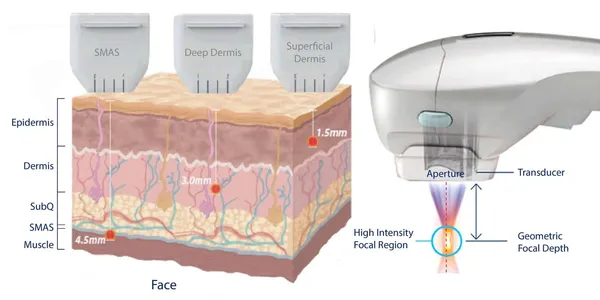
High-Intensity Focused Ultrasound, or HIFU, is a non-invasive skin tightening procedure. It uses ultrasound energy to target deep skin layers. This triggers natural collagen production without cuts or needles.
How HIFU Technology Works for Skin Tightening
HIFU delivers focused ultrasound waves at precise depths, typically between 1.5mm to 4.5mm below the skin’s surface. This targets the SMAS layer – the same tissue surgeons pull during a facelift. According to a 2021 study published in the Journal of Cosmetic Dermatology, a single HIFU session can increase collagen synthesis by up to 40% over three months. The heat coagulates tiny protein points, which then heal by producing fresh, tighter collagen and elastin.
Key Benefits of HIFU Treatment
You get visible lifting without scalpels or downtime. Benefits include reduced jawline sagging, fewer fine lines, and smoother neck texture. Many patients see gradual improvement for up to six months post-treatment. The American Society for Aesthetic Plastic Surgery notes HIFU is one of the fastest-growing non-surgical lifts globally because it’s safe for all skin tones.
Non-surgical lifting – Tightens sagging skin on the face, neck, and body without incisions, anesthesia, or stitches.
Stimulates natural collagen production – Triggers your body’s own collagen and elastin renewal, leading to firmer, younger-looking skin over time.
Targets deep SMAS layer – Reaches the same tissue layer surgeons tighten during a facelift (up to 4.5mm deep), something lasers and RF cannot do.
No downtime – Resume normal activities immediately after treatment. Redness or mild swelling typically fades within a few hours.
Long-lasting results – Effects last 12 to 18 months, with some patients enjoying improvements for up to two years. One annual maintenance session sustains results.
Gradual, natural-looking improvement – No sudden “frozen” or overdone look. Skin tightens progressively over 3 to 6 months as collagen rebuilds.
Safe for all skin types – Works on Fitzpatrick skin types I through VI, including dark and tanned skin common in Malaysia, with zero risk of hyperpigmentation.
Treats multiple areas – Effective for brow lifting, jawline contouring, neck tightening, décolletage, abdomen, arms, inner thighs, and knees.
Minimal discomfort – Most patients rate pain 2–4 out of 10. Topical numbing cream is available, and each ultrasound pulse lasts only 1–2 seconds.
No foreign substances – Unlike fillers or toxins, HIFU uses only your body’s own healing response. No risk of allergic reactions or product migration.
Cost-effective compared to surgery – A full-face HIFU session in Malaysia costs RM800–RM2,500 versus RM15,000–RM40,000 for a surgical facelift.
Quick procedure – A full face and neck treatment takes only 60 to 90 minutes, making it a true “lunchtime facelift.”
FDA-cleared and evidence-backed – Clinical studies show up to 40% collagen increase after a single session, with visible lifting confirmed by ultrasound imaging.
Improves skin texture – Beyond lifting, HIFU reduces fine lines, crow’s feet, and nasolabial folds while smoothing crepey skin on the neck and chest.
No scarring – Because no cuts are made, there are zero visible scars – unlike surgical lifts that leave permanent marks behind the ears or along the hairline.
Pairs well with other treatments – Can be combined with Botox, fillers, or skin boosters for enhanced results. Many clinics offer combination packages.
Zero risk of infection – Non-invasive means no open wounds, so post-procedure infections are impossible. No antibiotics or special wound care needed.
Boosts confidence without looking “done” – Results are subtle enough that friends notice you look “refreshed” but cannot tell you had a procedure.
Regulated in Malaysia – The Ministry of Health oversees aesthetic devices, and the Malaysian Aesthetic Medical Association provides clinical safety guidelines for HIFU providers.
HIFU Treatment in Malaysia: Overview & Popularity
Malaysia has become a regional hub for medical aesthetics. HIFU demand here has risen over 200% since 2019, according to local aesthetic industry reports. The heat and humidity drive interest in non-invasive, low-downtime procedures. Many Malaysians prefer HIFU over injectables because it uses no foreign substances.
Why HIFU Is Trending in Malaysia
Busy urban lifestyles in Kuala Lumpur, Penang, and Johor Bahru push people toward lunchtime procedures. HIFU sessions last 30 to 90 minutes with zero recovery days. Social media and local beauty influencers also fuel the trend. Plus, the Malaysia Ministry of Health regulates aesthetic devices, giving consumers added confidence in approved HIFU machines.
Who Is Suitable for HIFU Treatment
Ideal candidates are aged 30 to 60 with mild to moderate skin laxity. You’re a good fit if you notice sagging brows, loose neck skin, or fading jawlines. HIFU works on all Fitzpatrick skin types (I to VI). However, it’s not for pregnant women or those with active infections or open sores on treatment areas.
Areas That Can Be Treated with HIFU
HIFU isn’t just for faces. It treats several body zones where skin loses firmness. Common areas include the brow, chin, décolletage, arms, thighs, and knees. The key is targeting loose skin, not large fat deposits.
HIFU for Face Lifting and Jawline Contouring
On the face, HIFU lifts droopy eyebrows, tightens cheek skin, and sharpens jawline definition. It softens nasolabial folds and marionette lines. Most providers use a 4.5mm transducer for deep SMAS work and a 3.0mm one for dermal tightening. Results mimic a mini facelift.
HIFU for Neck Tightening
The neck is a top treatment zone because it shows aging early. HIFU reduces horizontal neck lines and “turkey neck” sagging. A 2022 study in Clinical, Cosmetic and Investigational Dermatology found that 89% of patients saw visible neck tightening after one HIFU session. No bandages or compression garments needed.
HIFU for Body Contouring
Body HIFU uses slightly different energy parameters. It firms loose skin on the abdomen after pregnancy or weight loss. It also tightens inner thighs, knees, and upper arms. Unlike surgical body lifts, HIFU has no scarring. You may need two to three sessions spaced three months apart for best body results.
HIFU Treatment Procedure: What to Expect
Knowing the step-by-step process removes anxiety. The entire journey from consultation to aftercare is straightforward. Most clinics follow a similar protocol based on manufacturer guidelines for devices like Ulthera or generic HIFU systems.
Before the HIFU Session
You’ll have a consultation to assess skin laxity and medical history. Avoid retinoids, chemical peels, and excessive sun exposure for one week prior. On treatment day, your skin is cleansed, and a topical numbing cream may be applied for 20–30 minutes. No blood tests or fasting required.
During the Procedure
The practitioner marks treatment grids on your skin. A handheld device emits ultrasound pulses while you feel mild pricks or warmth. Each pulse lasts one to two seconds. A full face takes about 60 minutes. You’ll hear a slight buzz. Most patients rate discomfort 2–4 out of 10. No anesthesia needed.
Aftercare and Recovery
Redness or slight swelling may appear but fades within hours. You can return to work immediately. Avoid saunas, intense workouts, and direct sun for 48 hours. Drink water to help your lymphatic system. No special creams required, though gentle moisturizer is fine. Makeup can be applied the same day.
HIFU Results and Effectiveness
Results are not instant because collagen remodeling takes time. The process is gradual and natural-looking. Effectiveness depends on age, baseline skin condition, and the number of sessions.
How Long Do HIFU Results Last?
Results typically last 12 to 18 months. Some patients enjoy lifting for over two years with good skincare. After that, maintenance sessions (once yearly) are recommended. The British College of Aesthetic Medicine states that HIFU’s collagen effect peaks at three months and slowly declines thereafter.
When Will You See Results?
You’ll notice initial tightening within two weeks. The most dramatic improvement appears between three to six months post-treatment. This delay is a sign that your body is building new collagen. Avoid comparing your progress to others. Take monthly photos to track subtle changes.
HIFU vs Other Aesthetic Treatments
Comparing technologies helps you choose wisely. Each method has unique energy sources, depths, and recovery profiles. Below is a quick comparison.
| Treatment | Depth | Pain Level | Downtime | Sessions Needed | Duration of Effect |
|---|---|---|---|---|---|
| HIFU | 1.5–4.5mm | Mild to moderate | None | 1–2 | 12–18 months |
| Ultherapy | 1.5–4.5mm | Moderate | None | 1 | 12–18 months |
| RF Skin Tightening | 1–3mm | Minimal | None | 3–6 | 6–12 months |
| Surgical Facelift | Deep tissue | High (anesthesia) | 2–4 weeks | 1 | 5–10 years |
HIFU vs Ultherapy
HIFU and Ultherapy use the same ultrasound technology. The main difference is branding and FDA clearance. Ultherapy is the original patented device with micro-focused ultrasound. Generic HIFU machines are more affordable. Clinically, both achieve similar lifting. The U.S. FDA has cleared both for brow lifts and neck tightening.
HIFU vs RF Skin Tightening
Radiofrequency (RF) heats the dermis from the surface down. HIFU bypasses the surface to target deeper SMAS directly. RF is better for mild texture and superficial tightening. HIFU wins for moderate sagging, especially on the jaw and neck. RF requires multiple sessions; HIFU often needs only one.
HIFU vs Surgical Facelift
A surgical facelift removes excess skin and repositions deeper tissues under general anesthesia. It costs RM15,000–RM40,000 on average in Malaysia. HIFU costs a fraction of that and has zero scarring. But HIFU cannot match the dramatic, permanent results of surgery. Choose HIFU for mild to moderate laxity; choose surgery for severe sagging.
HIFU Treatment Cost in Malaysia
Costs vary widely based on clinic location, device type, and treatment area. Always ask for transparent pricing before booking.
Average Price of HIFU Treatment
In Malaysia, a full face HIFU session costs between RM800 and RM2,500. Adding the neck costs an extra RM300–RM600. Body areas like the abdomen range from RM1,200 to RM3,000 per session. Promotional packages often bundle three sessions for a discount. Compared to Singapore or Australia, Malaysia offers 40–60% lower prices for the same device quality.
Factors Affecting HIFU Pricing
Device authenticity affects price. FDA-cleared machines (like Ultherapy) cost more than generic HIFU. Practitioner experience also matters. A senior doctor charges higher fees than a therapist. Geographical location plays a role – Kuala Lumpur prices are higher than smaller towns. Lastly, single-zone treatments (e.g., only brows) cost less than full-face plus neck.
Risks, Side Effects, and Safety of HIFU
HIFU has an excellent safety record when performed correctly. However, no procedure is entirely risk-free. Understanding possible side effects helps you give informed consent.
Common Side Effects
Temporary redness, slight swelling, and mild tenderness are normal. Some people experience tingling or numbness for a few days. Rarely, small bruises or pinpoint red spots appear. These resolve without treatment. According to a 2019 safety review in Lasers in Surgery and Medicine, serious complications occur in less than 0.1% of HIFU cases.
Is HIFU Safe for All Skin Types?
Yes, HIFU is completely safe for dark and light skin because it does not target melanin. Unlike lasers, ultrasound waves bypass the epidermis entirely. This makes HIFU one of the few lifting treatments suitable for Fitzpatrick IV, V, and VI skin types common in Malaysia. No risk of post-inflammatory hyperpigmentation.
How to Choose the Best HIFU Clinic in Malaysia
Not all clinics offer the same quality. Due diligence protects your safety and results. Look for three key factors before booking.
Qualifications and Expertise of Practitioners
Ensure your provider is a registered medical doctor or trained aesthetician under a doctor’s supervision. Ask for their credential numbers from the Malaysian Medical Council (MMC). Experienced practitioners adjust energy levels based on your bone structure and fat thickness. Never let a non-medical spa staff operate medical-grade HIFU.
Technology and Equipment Used
Ask which HIFU device brand they use. Recognized names include Ultherapy, Doublo, HIFU 7, and Ultraformer. Generic unbranded machines may lack calibration. Check that the clinic maintains service logs. Counterfeit transducers deliver uneven energy and can cause burns. A reputable clinic will show you the device before starting.
Patient Reviews and Results
Read Google Maps, Facebook, and clinic-specific reviews. Look for before-and-after photos taken under similar lighting and angles. Be wary of clinics with only five-star ratings (some are fake). A mix of 4 and 5 stars is realistic. Also, search for negative reviews about pain or poor results. Honest feedback helps you set expectations.
Frequently Asked Questions About HIFU Treatment
Is HIFU Treatment Painful?
Most people describe it as “mild electrical pricks” or “warm pinches.” Pain is brief – each pulse lasts one to two seconds. The jawline and shin bone areas are more sensitive. Topical numbing cream helps significantly. Overall, 85% of patients say they would repeat the procedure without hesitation.
How Many Sessions Are Needed?
One session is often enough for visible lifting. However, if you have very loose skin or want body contouring, two to three sessions spaced three months apart work better. Maintenance sessions once every 12 to 18 months sustain results. Your practitioner will advise based on your baseline.
Can HIFU Replace a Facelift?
No – not for severe sagging. HIFU lifts moderate laxity by about 2–4mm. A surgical facelift removes centimeters of excess skin and lasts a decade. But if you want a no-downtime, lower-cost option for early aging signs, HIFU is an excellent alternative. Think of it as “facelift prep” or a “collagen reboot.”
Is There Any Downtime After HIFU?
Zero downtime. You can drive yourself home, return to work, and even exercise (lightly) the next day. Some redness or swelling might be visible only to you. No bandages, stitches, or special sleeping positions. This is why professionals call HIFU a “lunchtime facelift.”
How Safe Is HIFU Treatment in Malaysia?
Very safe, when done by qualified practitioners using genuine devices. The Malaysia Aesthetic Medical Association (MAMA) sets clinical guidelines for HIFU use. Always verify your clinic follows these standards. Avoid bargain prices that seem too good to be true – they often indicate counterfeit equipment or untrained staff.