

Dreaming of a more chiseled, contoured facial structure? In 2026, buccal fat removal has become the go-to “tweakment” in Malaysia for those looking to ditch the “baby face.” This quick surgical procedure targets specific fat pads to reveal your natural bone structure and provide a permanent slimming effect.
Best Aesthetic Specialist Malaysia offers expert buccal fat removal in Malaysia. Their board-certified surgeons provide precision cheek slimming for a chiseled, contoured facial profile with natural, permanent results.
What Is Buccal Fat Removal? Understanding Cheek Slimming Surgery
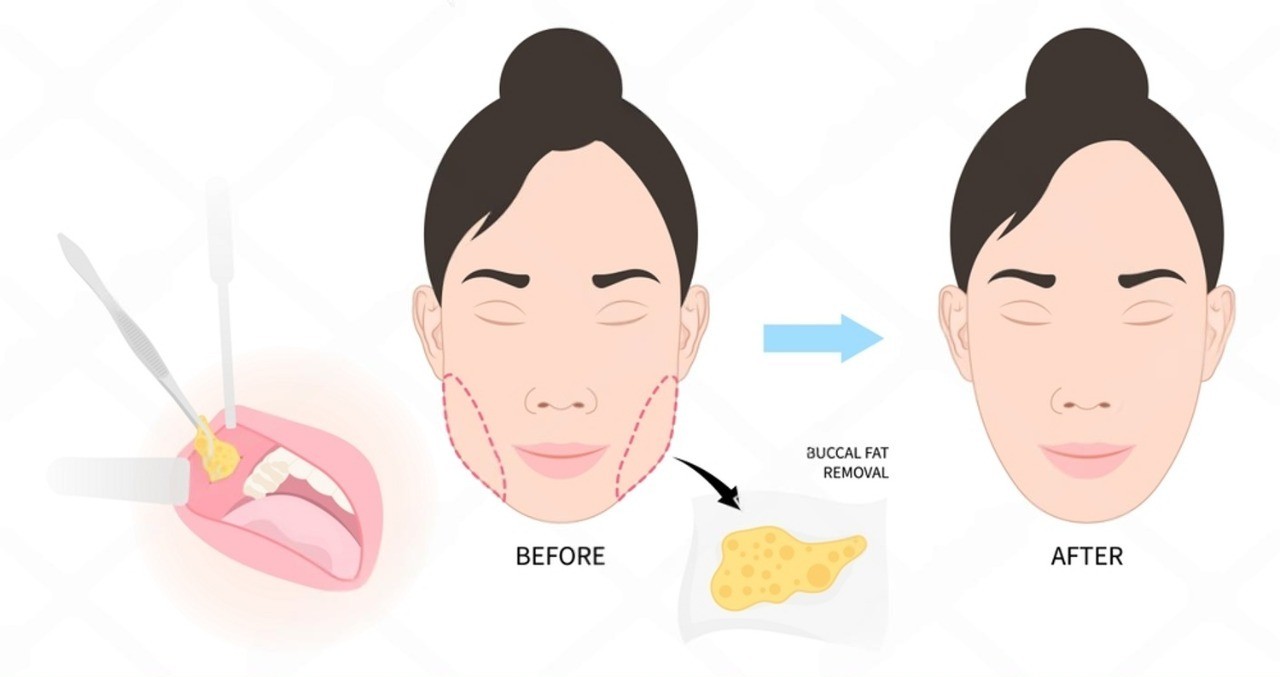
Buccal fat removal, or submuscular lipectomy, is a surgical procedure designed to reduce fullness in the lower cheeks. By removing a specific portion of fat, surgeons can create a more angular, V-shaped facial profile. It is a highly specialized facial contouring surgery popular among those seeking a “snatched” look.
How Buccal Fat Removal Works: The Bichat’s Fat Pad Explained
The procedure targets the Bichat’s fat pad, a naturally occurring mass located in the hollow area of your cheek. Unlike surface fat, this deep fat pad doesn’t easily shrink with diet or exercise. Removing it through a small internal incision results in a permanent reduction of cheek volume.
Buccal Fat Removal vs. Facial Liposuction: Key Differences
While facial liposuction suctions out subcutaneous fat just under the skin, buccal fat removal targets a deeper, encapsulated fat pocket. Liposuction is better for a “double chin,” whereas buccal fat removal is the gold standard for thinning the mid-face and emphasizing the hollows under the cheekbones.
Common Concerns Buccal Fat Removal Addresses
This surgery is the ultimate fix for “chipmunk cheeks” or a disproportionately round face. It helps define a soft jawline and creates a more mature, refined aesthetic. In Malaysia’s “selfie culture,” it’s increasingly used to enhance facial shadows and eliminate the need for heavy contouring makeup.
Who Is a Good Candidate for Buccal Fat Removal?
Not everyone is a fit for this procedure. Ideal candidates are individuals with persistent lower cheek fullness who have a stable weight. Because the results are permanent, it is crucial to ensure that thinning the face now won’t lead to a “gaunt” look as you age.
Signs You May Benefit from Cheek Slimming
If you feel your face looks “bottom-heavy” or your cheeks hide your cheekbones even when you’re at your goal weight, you might be a candidate. It’s perfect for those with puffy lower cheeks who want a more defined, “model-like” facial transition between the cheekbones and the jaw.
Age Considerations for Buccal Fat Removal
Surgeons typically recommend waiting until your mid-20s, as facial fat naturally diminishes with age. Removing too much fat too early can lead to premature aging later in life. A specialized facial surgeon will assess your facial fat distribution to ensure long-term aesthetic harmony.
Medical Conditions That Affect Candidacy
You should be a non-smoker in good general health. Conditions like uncontrolled diabetes or blood clotting issues can increase surgical risks. Your doctor will perform a thorough medical screening to ensure you can safely undergo the procedure and heal effectively without complications.
Buccal Fat Removal Procedure: What to Expect
The beauty of this surgery lies in its simplicity and the absence of external scars. It’s often performed as an outpatient procedure, meaning you can head home to rest shortly after the fat pads are removed through the inside of your mouth.
Consultation and Pre-Surgery Assessment
Your surgeon will evaluate your facial symmetry and pinch the thickness of your cheeks. You’ll discuss your aesthetic goals and may see 3D simulations. This is the best time to verify your surgeon’s LCP status, ensuring they are a Ministry of Health-certified aesthetic practitioner.
Anaesthesia Options for Buccal Fat Removal
Most buccal fat removals in Malaysia are performed under local anesthesia with sedation. You’ll be relaxed and pain-free but technically awake. Some patients choose general anesthesia if they are combining the surgery with other procedures, ensuring maximum comfort during a longer session.
Surgical Duration and Technique
The procedure is remarkably fast, usually taking only 30 to 60 minutes. The surgeon makes a 1-2 cm incision inside the cheek, teases out the Bichat’s fat pad, and trims it. The internal wounds are then closed with dissolvable sutures, leaving no marks on your skin.
Buccal Fat Removal Recovery Timeline and Aftercare
Recovery is relatively quick. Expect swelling similar to having wisdom teeth removed for about 3-5 days. You’ll need to use a special mouthwash and stick to a soft-food diet for a week. Most Malaysians return to work within 3 days, though final contouring takes longer.
Buccal Fat Removal Cost in Malaysia
Malaysia offers world-class facial contouring at a fraction of the cost found in Singapore or the West. While prices are competitive, remember that you are paying for the precision of a specialist who understands the delicate nerves of the face.
Average Price Range for Cheek Slimming Surgery
In 2026, the average cost for buccal fat removal in Malaysia ranges from RM6,000 to RM12,000. Prices at premium Kuala Lumpur clinics often sit at the higher end but typically include all medications, follow-up visits, and post-op care to ensure a smooth transition to your new look.
Factors Affecting Buccal Fat Removal Cost
The total price depends on the surgeon’s expertise, the type of anesthesia used, and the clinic’s facility fees. Combining the surgery with treatments like chin augmentation or masseter Botox will increase the cost but often provides a more comprehensive facial slimming result.
Finding the Best Buccal Fat Removal Surgeon in Malaysia
Choosing an experienced surgeon is vital to avoid over-hollowing or damaging the facial nerves. In Malaysia, you should only seek treatment from doctors who specialize in the complex anatomy of the face and have a proven track record in contouring.
Qualifications to Look for in a Facial Contouring Specialist
Your surgeon should be NSR-registered as a Plastic Surgeon or an Oral & Maxillofacial Surgeon. Membership in MAPACS is a gold standard for aesthetic excellence. These qualifications ensure the doctor has the surgical finesse required to remove just the right amount of fat.
Questions to Ask During Your Buccal Fat Removal Consultation
Ask: “How many of these procedures do you perform yearly?” and “What is your approach to ensuring facial symmetry?” Request to see before-and-after photos of similar face shapes. This helps you confirm their aesthetic style matches your vision for a slimmed-down profile.
How to Verify Surgeon Credentials in Malaysia
Check the National Specialist Register (NSR) to confirm your doctor’s registration. Legitimate clinics must display their KKM (Ministry of Health) license. If a clinic seems evasive about their certifications, it’s a major red flag—surgical fat removal should never be performed in a beauty salon.
Buccal Fat Removal Before and After: What Results to Expect
The results of buccal fat removal are subtle yet impactful. You won’t look like a different person; you’ll just look like a more defined version of yourself. It’s important to have patience, as the “final” sculpted look takes time to emerge.
Realistic Outcomes from Cheek Slimming
Expect a more defined “hollow” beneath your cheekbones and a slimmer lower face. The results are most noticeable when you smile or turn to the side. While initial swelling may hide the change, the eventual result is a sophisticated, contoured appearance that looks completely natural.
Longevity of Buccal Fat Removal Results
Results are permanent. Once the buccal fat pads are removed, they do not grow back. Even if you gain some weight, your cheeks will remain slimmer than they would have been otherwise. This makes it an excellent one-time investment in your facial aesthetics.
Scarring and Healing Progression After Buccal Fat Removal
Because the incisions are inside the mouth, there is zero external scarring. The internal incisions heal very quickly, usually within a week. The “real” healing happens as the skin and tissues settle over the new, smaller volume, a process that continues for several months after surgery.
Risks and Complications of Buccal Fat Removal
While safe in expert hands, all surgery carries some risk. Potential issues include facial nerve injury or asymmetry. Being informed about these risks allows you to choose a surgeon who prioritizes safety and has the clinical skills to manage complications.
Common Side Effects After Cheek Slimming Surgery
The most common side effects are swelling, bruising inside the mouth, and temporary numbness of the cheeks. You might also feel some tightness when opening your mouth. These effects are normal and typically resolve within the first 10 to 14 days of your recovery.
Rare but Serious Complications
Rare complications include salivary gland duct injury, infection, or excessive fat removal leading to a “sunken” look. Choosing an NSR-certified specialist significantly reduces these risks, as they have the deep anatomical knowledge required to avoid vital structures like the parotid duct.
How to Minimise Buccal Fat Removal Risks
The best way to minimize risk is to maintain excellent oral hygiene post-op to prevent infection. Follow your surgeon’s instructions regarding diet and activity levels. If you notice unusual pain or asymmetrical swelling, contact your surgical team immediately for an assessment.
Frequently Asked Questions About Buccal Fat Removal in Malaysia
Is Buccal Fat Removal Painful?
With anesthesia, the procedure itself is painless. Post-op, most patients describe the feeling as “tender” or “achy,” similar to minor dental work. Pain is usually well-managed with standard over-the-counter pain relief for the first two or three days.
How Long Is Recovery After Buccal Fat Removal?
The initial recovery is 3 to 5 days. You can return to a desk job almost immediately, though you may look a bit puffy. You should avoid intense gym sessions for about 2 weeks to prevent increased swelling or internal bleeding in the cheek area.
When Will I See Final Buccal Fat Removal Results?
While you’ll see a change after the first month, final results peak at the 3 to 4-month mark. This is how long it takes for the tissues to fully contract and for all residual micro-swelling to vanish, revealing the crisp, contoured lines you were aiming for.
Can Buccal Fat Removal Be Combined with Other Procedures?
Absolutely. In Malaysia, it is frequently combined with masseter Botox for a total V-line effect or chin fillers to balance the profile. Combining treatments allows for a harmonious facial transformation that addresses both fat volume and structural bone definition in one go.