


Pico laser is a cutting-edge, non-ablative laser treatment that targets hyperpigmentation and skin discoloration with precision. By delivering ultra-short pulses, it breaks down pigment without damaging surrounding tissue, improving skin tone, texture, and clarity. Safe, effective, and suitable for various skin types, Pico laser offers rapid, long-lasting results.
Pico Laser for Hyperpigmentation
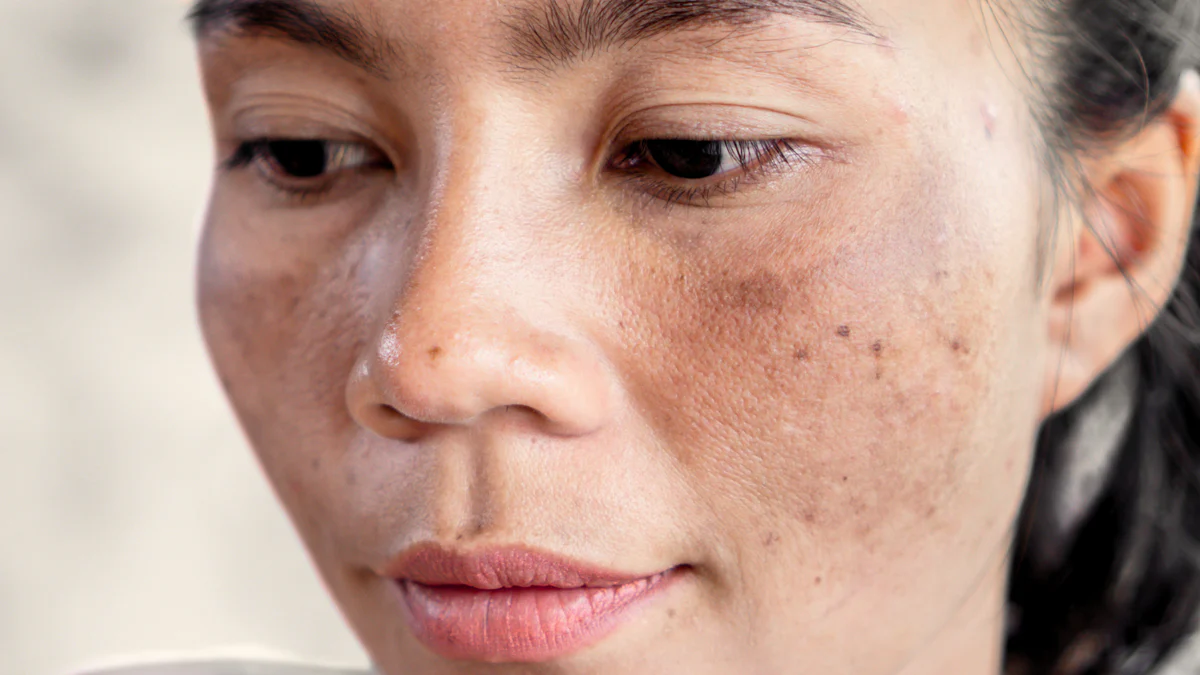
Hyperpigmentation and skin discoloration affect millions globally, caused by sun exposure, aging, melasma, post-inflammatory hyperpigmentation, or hormonal changes. Pico laser therapy is an advanced solution that uses picosecond pulses to fragment pigment particles more effectively than traditional Q-switched lasers, enabling faster clearance with minimal downtime.
Key Benefits:
Rapid pigment breakdown
Minimal side effects
Safe for darker skin types (Fitzpatrick I–VI)
Stimulates collagen and skin rejuvenation
How Pico Laser Works
Pico lasers deliver energy in picoseconds (trillionths of a second), creating a photoacoustic effect rather than a thermal one. This shatters pigment into tiny particles that the body can naturally remove through lymphatic drainage.
Mechanism of Action:
Targeted Pigment Fragmentation: Melanin, freckles, sun spots, and tattoos absorb the energy.
Minimal Collateral Damage: Surrounding tissue remains intact, reducing risk of scarring.
Skin Rejuvenation: Stimulates fibroblasts, promoting collagen and elastin synthesis.
Clinical studies show faster clearance of melasma and post-inflammatory pigmentation compared to nanosecond lasers, with fewer treatments and lower recurrence rates.
Indications for Pico Laser
Pico laser is effective for multiple pigment-related concerns:
Sun-induced freckles and solar lentigines
Melasma and hormonal pigmentation
Post-inflammatory hyperpigmentation (acne, eczema, injury)
Age spots and liver spots
Tattoo removal (adjunct benefit for mixed pigment concerns)
It is suitable for most skin types, including darker Fitzpatrick IV–VI skin, where traditional lasers carry higher risk of post-inflammatory hyperpigmentation.
Treatment Procedure
1. Consultation and Assessment:
A clinician evaluates skin type, pigment depth, and medical history to determine suitability.
2. Preparation:
Topical numbing may be applied; skin is cleansed.
3. Laser Application:
Pico pulses delivered in short bursts across affected areas
Each session lasts 15–30 minutes depending on size and depth of pigmentation
4. Post-Treatment Care:
Avoid sun exposure for 1–2 weeks
Apply broad-spectrum SPF
Mild redness or swelling may occur, usually resolving in 24–48 hours
Treatment Plan:
2–6 sessions spaced 4–6 weeks apart, depending on severity
Maintenance may be recommended every 6–12 months
Benefits Over Traditional Lasers
| Feature | Pico Laser | Q-switched/Nanosecond Laser |
|---|---|---|
| Pulse Duration | Picoseconds (10⁻¹² s) | Nanoseconds (10⁻⁹ s) |
| Pigment Clearance | Faster, more precise | Slower, may need more sessions |
| Collateral Damage | Minimal | Higher risk of irritation/scarring |
| Downtime | Minimal | Moderate |
| Recurrence | Lower | Higher |
Pico lasers not only reduce pigment but also improve skin texture, fine lines, and overall tone, offering a dual benefit of pigmentation correction and rejuvenation.
Safety and Side Effects
Pico laser is generally well-tolerated. Side effects are mild and transient:
Redness or mild swelling (hours to 1 day)
Temporary darkening of pigment before fading
Rare: blistering or hypopigmentation
Contraindications:
Active skin infection
Pregnancy or breastfeeding
History of keloids or poor wound healing
Photosensitive medications
Expected Results
Patients typically notice:
Visible fading of hyperpigmentation after 1–3 sessions
Smoother, more even skin tone
Collagen-stimulated rejuvenation
Long-lasting results with proper sun protection and skincare
Before-and-after studies confirm up to 80–90% improvement in stubborn pigmentation with fewer complications than conventional lasers.
FAQ – Pico Laser for Hyperpigmentation
Q1: Is Pico laser painful?
Most patients report mild discomfort similar to a rubber band snap. Topical anesthetic can minimize pain.
Q2: How long until results appear?
Initial improvement may be visible within 1–2 weeks. Optimal results usually require 2–6 sessions.
Q3: Can all skin types be treated?
Yes, Pico laser is safe for all Fitzpatrick skin types, including darker tones prone to post-inflammatory hyperpigmentation.
Q4: How long does each session take?
Treatment usually lasts 15–30 minutes, depending on the size and number of areas treated.
Q5: What is the downtime?
Minimal; most patients resume normal activities immediately. Redness or mild swelling may occur for 24–48 hours.
Q6: How to maintain results?
Sun protection, topical antioxidants, and periodic maintenance sessions help prevent recurrence.
Q7: Are results permanent?
While pigment removal is long-lasting, new sun-induced pigmentation may appear. Proper skincare and sun protection are essential.
Conclusion
Pico laser represents a major advancement in treating hyperpigmentation and skin discoloration. Its ultra-short pulses ensure precise pigment targeting, minimal downtime, and reduced side effects. Clinically proven, safe for all skin types, and effective for multiple pigment disorders, Pico laser offers both aesthetic improvement and skin rejuvenation in a patient-friendly, reliable manner.