
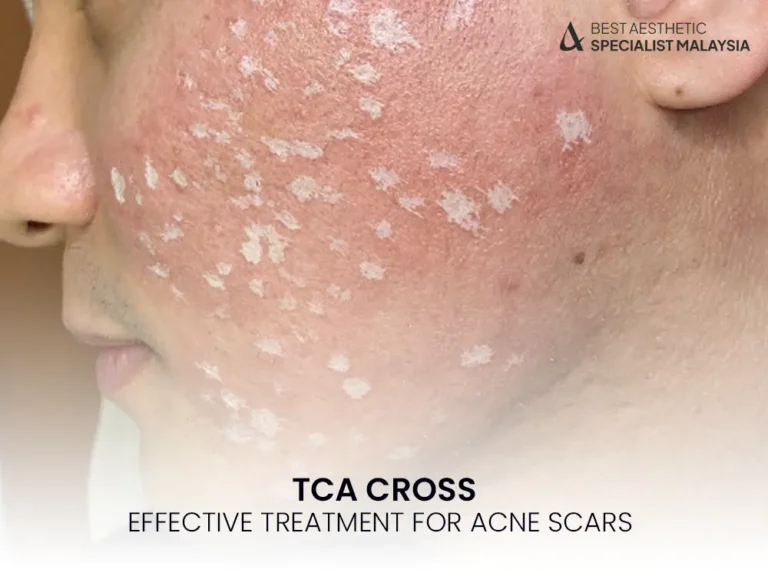


TCA CROSS is a dermatologic technique that uses high-strength trichloroacetic acid to treat deep acne scars by stimulating collagen remodeling. It is safe when performed by trained clinicians. Patients typically need multiple sessions, with gradual improvement over several months. Ideal for ice-pick and boxcar scars resistant to other treatments.
What Is TCA CROSS?
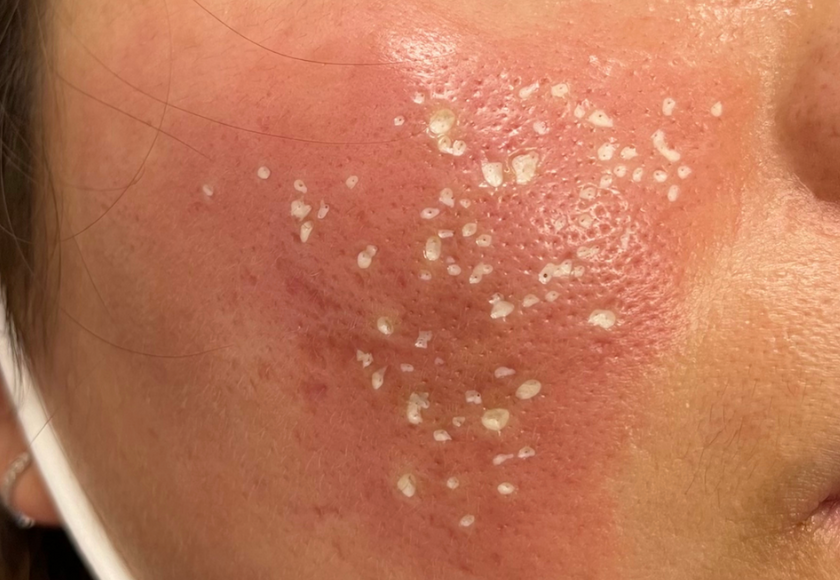
TCA CROSS (Chemical Reconstruction of Skin Scars) is a focused chemical peel technique using 70–100% trichloroacetic acid applied precisely to deep, narrow acne scars. The controlled chemical injury triggers neocollagenesis, gradually elevating depressed scars and improving skin texture.
This procedure is typically performed by dermatologists or trained aesthetic physicians and is considered one of the most effective treatments for ice-pick and deep boxcar scars.
Who Is TCA CROSS For?
TCA CROSS is best suited for patients with:
Ice-pick scars
Narrow boxcar scars
Atrophic acne scars not responding to microneedling or laser
Localized scars where generalized resurfacing is unnecessary
It may be combined with subcision, microneedling, fractional lasers, or fillers for multi-type scarring.
Symptoms / Skin Concerns It Addresses
Deep pitted scars
Sharp-edged, narrow depressions
Uneven texture
Residual tethering from old acne
Skin surface roughness
What Causes These Scars?
TCA CROSS does not treat acne itself; it targets the structural damage left behind. These scars typically form due to:
Severe inflammatory acne
Loss of collagen during healing
Tethering of scar tissue in the dermis
Delayed or untreated cystic acne
How TCA CROSS Works (Clinical Explanation)
High-strength TCA (70–100%) is applied using a fine applicator directly into the scar.
Acid causes protein coagulation inside the scar and produces immediate “frosting.”
Controlled dermal injury stimulates:
Collagen deposition
Scar elevation
Gradual remodeling over 6–12 weeks
Each session builds on the last, with most patients needing 3–6 treatments.
Procedure Steps
Skin cleansing and degreasing
Local anesthesia if needed
Precise spot application of TCA
Temporary frosting lasting a few minutes
Mild redness and scabbing over the following days
Healing over 7–10 days
Diagnosis & Consultation Process
Before treatment, a dermatologist will:
Identify scar types (ice-pick, boxcar, rolling)
Evaluate skin tone (important for PIH risk)
Discuss expectations and treatment combinations
Review contraindications (active acne, infections, recent isotretinoin usage)
Diagnostic tools may include:
Dermoscopy
High-resolution photography
Scar severity grading (e.g., Goodman & Baron scale)
Treatment Options Included with TCA CROSS
TCA CROSS can be a standalone procedure, but often works best as part of a combination approach:
Standalone
70–100% TCA CROSS for localized deep scars
Combination Treatments
Subcision for tethered or rolling scars
Microneedling / RF needling for widespread texture issues
Fractional laser (CO₂, Er:YAG) for global resurfacing
Dermal fillers for volume loss
Chemical peels for pigmentation control
Risks and Side Effects
TCA CROSS is generally safe when performed by qualified professionals. Possible effects include:
Common, Expected Effects
Redness (1–3 days)
Scabbing (5–10 days)
Temporary darkening of scars
Mild discomfort
Less Common Risks
Post-inflammatory hyperpigmentation (PIH)
Higher risk in darker skin types (Fitzpatrick IV–VI)
Hypopigmentation (rare)
Overtreated scars (if excessive acid is used)
Infection (very rare with proper aftercare)
Aftercare Guidelines
Keep area clean; do not pick scabs
Daily sunscreen (SPF 30–50)
Gentle moisturizers to support healing
Avoid exfoliants, retinoids, and acids for 7–10 days
Resume active skincare gradually
Expected Results
Most patients observe meaningful improvement after 2–3 sessions, with optimal results after 3–6 sessions spaced 4–8 weeks apart.
Typical improvements:
Ice-pick scars: 40–70%
Narrow boxcar scars: 30–60%
Overall texture refinement: moderate to significant
Results continue to develop for 3–6 months due to ongoing collagen production.
Who Should Avoid TCA CROSS?
Pregnant or breastfeeding individuals
Those with active acne, infections, or dermatitis
Recent isotretinoin use (within past 6 months—clinician discretion applies)
History of keloids (relative contraindication)
Unrealistic expectations or inability to follow aftercare
Prevention of Acne Scarring
To reduce future scarring:
Treat acne early, especially nodulocystic types
Avoid picking or squeezing pimples
Use dermatologist-guided therapies (retinoids, benzoyl peroxide, antibiotics, isotretinoin)
Maintain sun protection
Monitor for early signs of inflammation
When to See a Dermatologist
Seek medical evaluation if:
You have deep, permanent, or worsening scars
Over-the-counter treatments show no improvement
You want a tailored multi-modality treatment plan
You have darker skin and are concerned about pigmentation risks
You experience unusual redness, pain, or infection after a previous treatment
FAQ
Is TCA CROSS painful?
Most patients experience a brief stinging sensation. Pain is minimal and does not usually require anesthesia.
How long does it take to see results?
Improvements begin after 4–6 weeks, with cumulative changes over several months.
Can TCA CROSS be done on dark skin?
Yes, with caution. Dermatologists often adjust acid strength and pre-treat with pigmentation-reducing agents to reduce PIH risk.
Can TCA CROSS remove scars completely?
Complete removal is unlikely. Expect significant improvement, not perfection.
How long does downtime last?
Most patients heal within 7–10 days.
Is 100% TCA safe?
Yes, when applied precisely by trained clinicians. It is not safe for at-home use.
What is the difference between TCA CROSS and a chemical peel?
TCA CROSS treats individual scars, whereas peels treat the entire skin surface. CROSS uses higher acid concentrations but targets only the scar interior.