
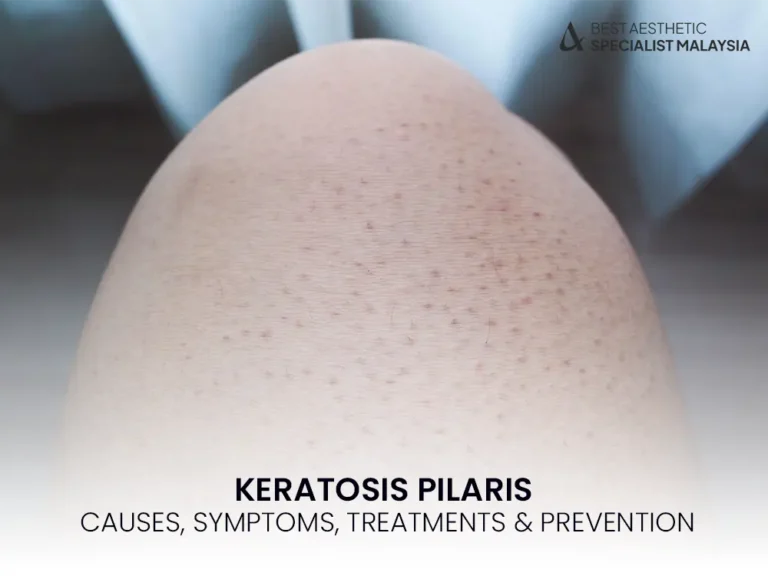


Keratosis pilaris is a harmless skin condition characterized by small, rough bumps, often appearing on the arms, thighs, or cheeks. It occurs when excess keratin blocks hair follicles. While it typically requires no treatment, moisturizing, gentle exfoliation, and medical therapies can improve skin texture and overall appearance.
Definition
Keratosis pilaris, often called “chicken skin,” is a common, benign dermatologic condition caused by the buildup of keratin, a structural protein in the skin, that blocks hair follicles. The resulting rough, bumpy texture most often appears on the upper arms, thighs, buttocks, and cheeks. It usually begins in childhood or adolescence and may persist into adulthood. Although it is cosmetically noticeable, it does not pose a serious health risk.
Symptoms

The main sign of keratosis pilaris is small, rough bumps that can be skin-colored, red, or brown. The affected skin may feel dry and slightly patchy. Some individuals experience mild itchiness, but pain is uncommon. The bumps generally appear symmetrically on both sides of the body, and while they are mostly cosmetic, scratching or irritation can sometimes cause inflammation or infection.
Causes
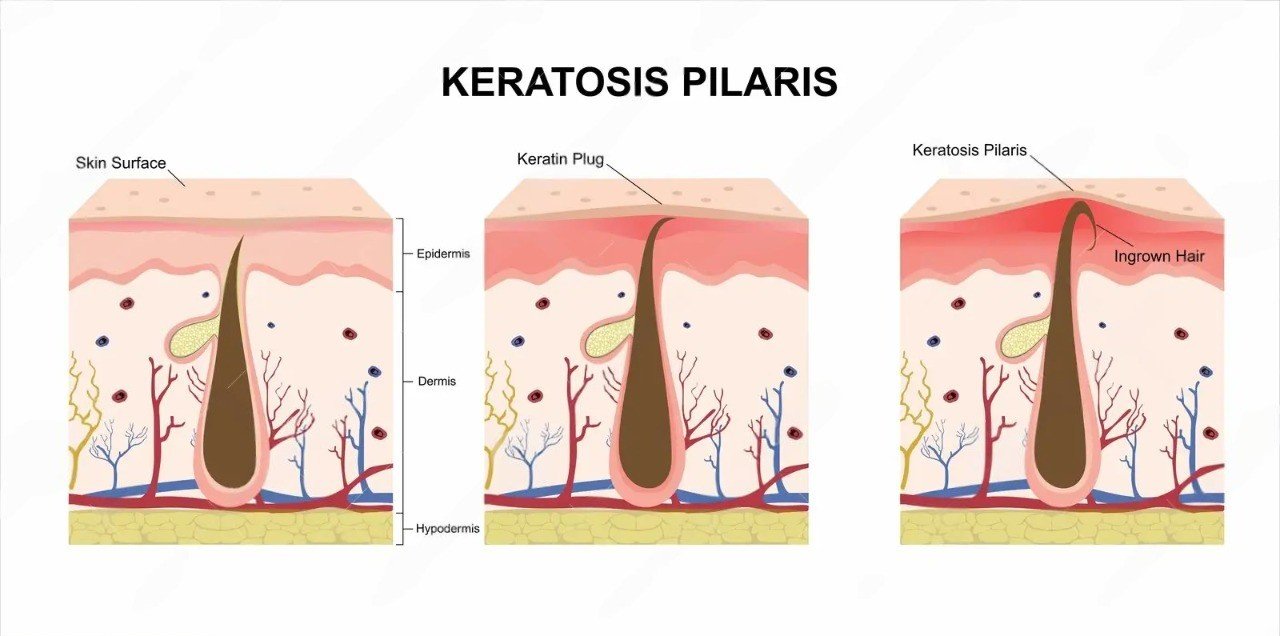
Keratosis pilaris develops due to an accumulation of keratin that blocks hair follicles. Genetics play a significant role, with many cases running in families. People with dry skin or underlying eczema are more susceptible, and environmental factors such as cold weather and low humidity may exacerbate the condition. Hormonal changes during puberty can also trigger or worsen keratosis pilaris.
Diagnosis
Diagnosis is usually made through a clinical examination by a dermatologist, who can identify keratosis pilaris based on the appearance and pattern of bumps. It is important to distinguish KP from similar conditions such as eczema, folliculitis, or acne. In most cases, no laboratory tests are necessary, and skin biopsies are rarely required except when the diagnosis is uncertain.
Treatment Options
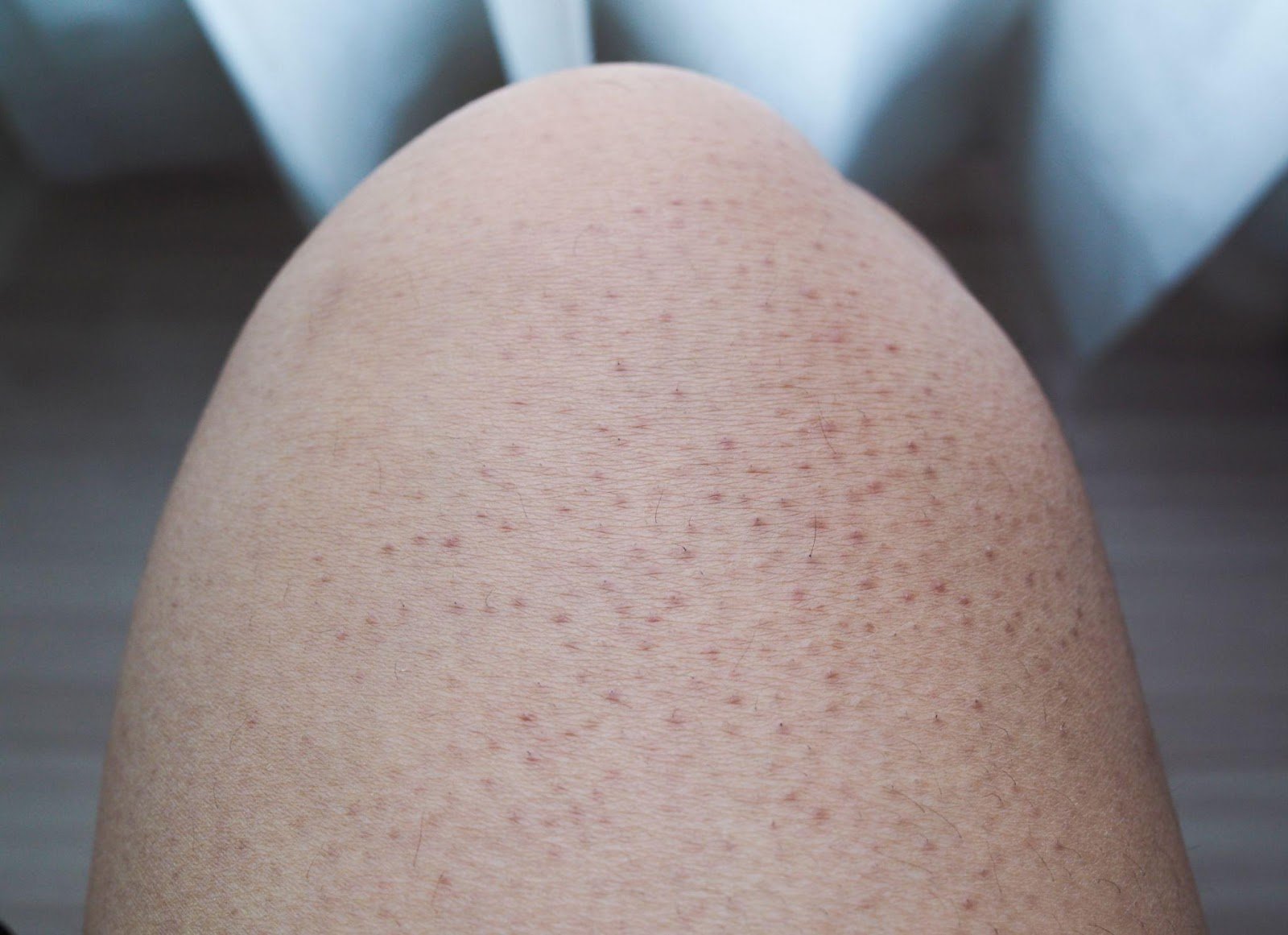
Although keratosis pilaris is harmless, treatments focus on improving the skin’s texture. Non-prescription options include regular use of moisturizers containing urea or lactic acid, which soften the bumps, and gentle exfoliation using mild chemical exfoliants or soft brushes. Prescription treatments may include topical retinoids such as tretinoin or adapalene, which help promote the natural turnover of skin cells. In rare, severe cases, dermatologists may recommend laser therapy or chemical peels. Lifestyle measures, including avoiding harsh soaps, hot water, and frequent scrubbing, also help maintain smoother skin.
Risks and Complications
Keratosis pilaris is generally harmless and does not lead to systemic health issues. The main concern is cosmetic, as the appearance of bumps can affect self-esteem. Secondary infection is uncommon but may occur if the skin is scratched excessively or becomes inflamed.
Prevention
Preventing keratosis pilaris involves maintaining good skin hydration through daily moisturizing, using keratolytic creams, and practicing gentle exfoliation two to three times per week. Avoiding prolonged hot showers and using a humidifier in dry climates can also reduce flare-ups. For children with a family history of KP, early intervention with moisturizing and gentle exfoliation may help reduce the severity of bumps over time.
When to See a Doctor
Medical consultation is recommended if the condition worsens rapidly, becomes red or painful, or shows signs of infection such as pus or swelling. Individuals whose self-esteem or daily life is significantly affected by KP should also seek professional advice. Additionally, if over-the-counter treatments are ineffective or the diagnosis is uncertain, a dermatologist can provide guidance and alternative therapies.
FAQ Section
Is keratosis pilaris contagious?
Keratosis pilaris is not contagious. It is a genetic skin condition and cannot be transmitted through contact.
Can keratosis pilaris go away on its own?
Yes, the condition often improves with age. Many adults notice smoother skin compared to their childhood or adolescent years.
Are there effective home treatments?
Daily use of moisturizers containing urea or lactic acid, combined with gentle exfoliation, is the most effective home management strategy.
Do diet or lifestyle changes help?
No direct link between diet and keratosis pilaris has been proven. However, keeping the skin hydrated and avoiding harsh soaps can minimize flare-ups.
Is laser treatment effective?
Laser therapy can improve skin texture in severe cases, but results vary and it is typically reserved for individuals who do not respond to standard treatments.
Does keratosis pilaris affect all skin types?
KP can affect all skin types, though it is more common in fair-skinned individuals and those with dry skin or eczema.
Expert Insights
Dermatologists emphasize that keratosis pilaris is primarily a cosmetic concern rather than a medical threat, and treatment focuses on improving skin texture rather than curing the condition. Studies suggest that approximately 40–50% of adolescents and up to 80% of adults with a history of childhood KP continue to experience some degree of bumps, highlighting its persistent nature and the importance of consistent skin care routines.