
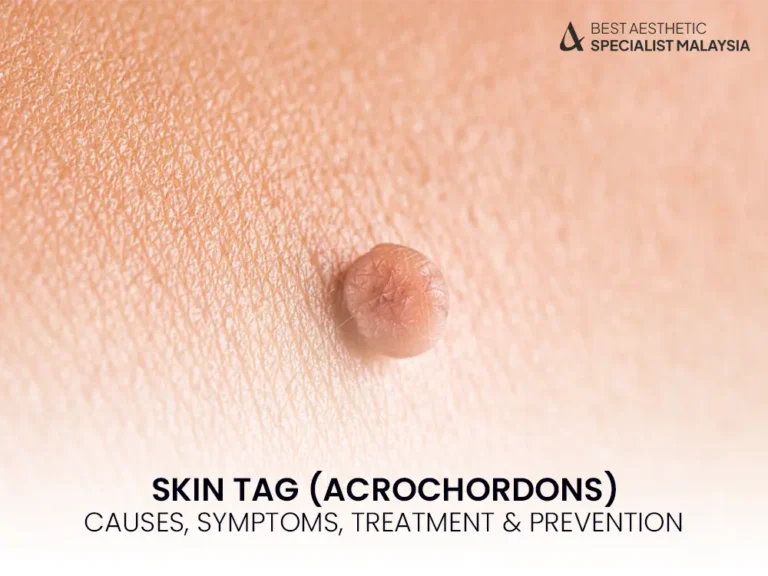


Skin tags are small, benign skin growths that commonly appear in skin folds like the neck, armpits, and groin. They are usually painless but may become irritated. While harmless, treatment options include removal for cosmetic or comfort reasons. Early detection and medical evaluation prevent complications and ensure safe management.
According to dermatology studies, nearly half of adults develop at least one skin tag during their lifetime, often linked to friction, genetics, or metabolic conditions.
Definition
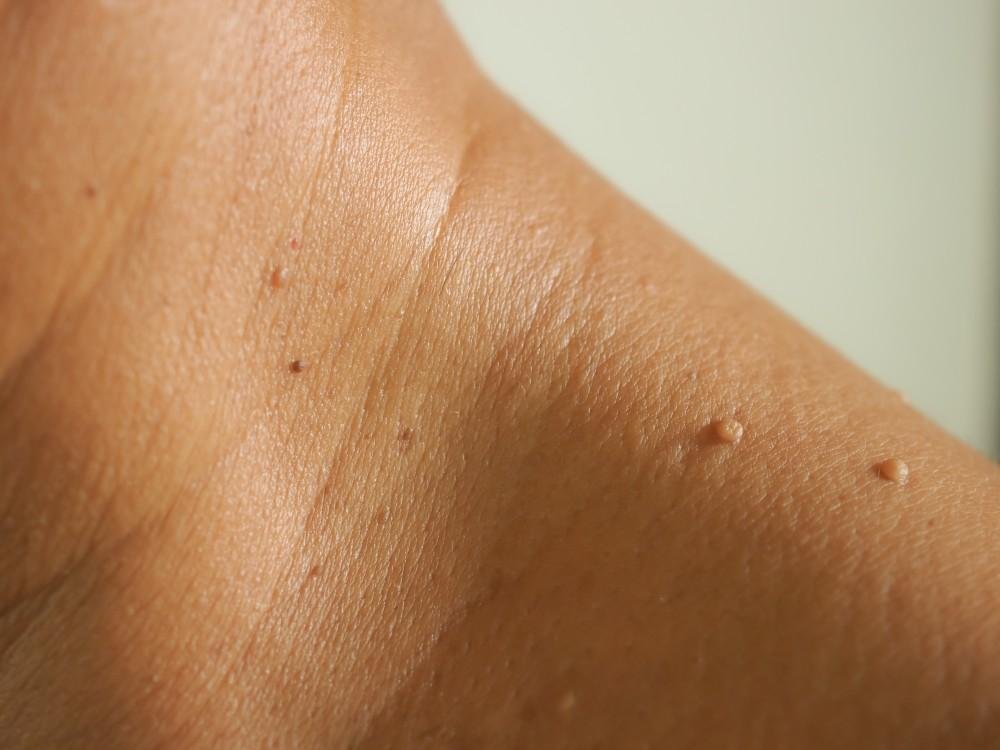
Skin tags, also called acrochordons, are soft, small growths that hang from the skin. They are usually flesh-colored or slightly darker than surrounding skin and can appear singly or in clusters. These growths are non-cancerous and are more common in adults over the age of 40, especially in people with obesity or diabetes. Although skin tags are harmless, they may become bothersome due to friction or cosmetic concerns.
Symptoms
Skin tags typically appear as soft, small protrusions that may be flesh-colored, slightly brown, or darker than the surrounding skin. They are usually painless but can become irritated when rubbed against clothing, jewelry, or skin folds. The most common locations for skin tags include the neck, armpits, eyelids, groin, and under the breasts. Occasionally, a skin tag may twist on its stalk, causing minor discomfort or bleeding.
Causes
Exact cause unclear, but risk factors include:
Friction: Common in skin folds where rubbing occurs.
Genetics: Family history increases likelihood.
Metabolic factors: Obesity, insulin resistance, and type 2 diabetes.
Hormonal changes: Pregnancy or hormonal therapy can trigger growth.
A 2020 dermatology study found that over 46% of adults may develop at least one skin tag in their lifetime.
Diagnosis
Clinical evaluation by a dermatologist or primary care provider.
Usually diagnosed visually; no lab tests needed.
Biopsy considered if:
Rapid growth occurs
Unusual color or shape
Lesions bleed frequently
Rule out other skin conditions (wart, mole, or cancerous growth).
Treatment Options

Observation: Often no treatment is needed if asymptomatic.
Medical removal procedures:
Cryotherapy: Freezing with liquid nitrogen.
Excision: Cutting off with sterile scissors or scalpel.
Cauterization: Burning with electric current.
Ligation: Tying off to cut blood supply, causing detachment.
Home remedies: Generally not recommended due to infection risk.
Post-removal care includes cleaning the area and monitoring for infection.
Risks
Infection at removal site if not properly treated.
Minor bleeding, especially in large tags.
Rare scarring, more common with surgical excision.
Recurrence is possible; removal does not prevent new skin tags from forming.
Prevention
Reduce friction in skin folds using loose clothing.
Maintain healthy weight and manage metabolic conditions.
Regular skin checks to identify new growths early.
Avoid self-removal or over-the-counter procedures without guidance.
When to See a Doctor
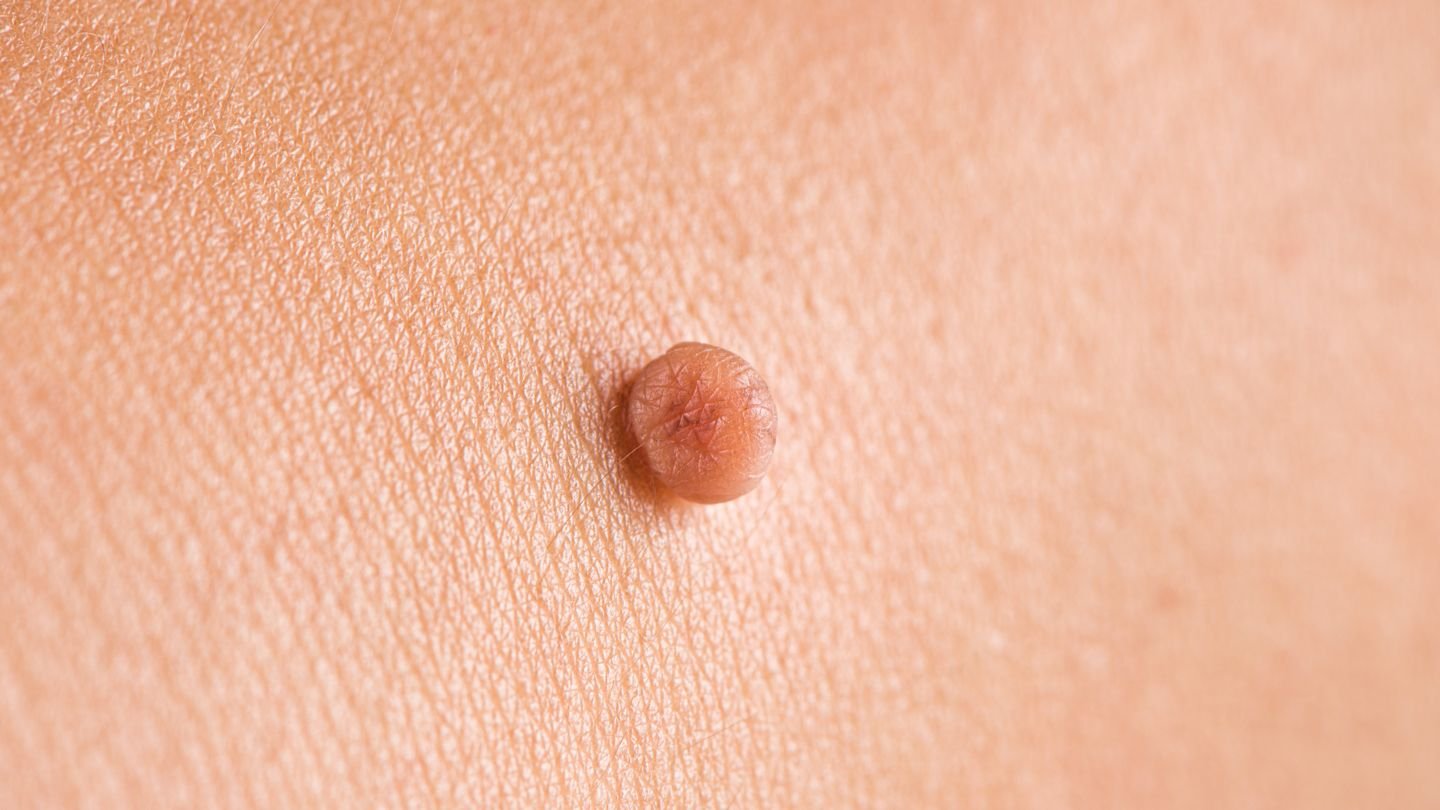
Rapidly growing or painful acrochordons.
Bleeding, dark, or irregularly shaped lesions.
Uncertainty about diagnosis (rule out skin cancer).
Discomfort affecting daily activities or hygiene.
Frequently Asked Questions
Q: Are skin tags contagious?
A: No, skin tags are not infectious and cannot spread from person to person.
Q: Can skin tags turn into cancer?
A: Skin tags are benign. Malignant transformation is extremely rare.
Q: How long do skin tags last?
A: They may persist indefinitely but can be removed safely.
Q: Can diabetes cause acrochordons?
A: Yes, insulin resistance and diabetes are associated with higher skin tag prevalence.
Q: Is removal painful?
A: Most medical procedures are quick; local anesthesia can minimize discomfort.
Q: Can I remove a skin tag at home?
A: Home removal is not recommended due to infection and bleeding risks. Always seek professional care.
Q: How can I prevent acrochordons from forming?
A: Minimize friction, maintain healthy weight, and monitor skin regularly.
Expert Insights
In conclusion, treatment for acrochordons is generally not medically necessary unless they cause discomfort, irritation, or cosmetic concern. Safe removal options include cryotherapy, excision, cauterization, or ligation, all performed by healthcare professionals to minimize risks such as infection, bleeding, or scarring.
Home remedies are not recommended, and while removal addresses individual tags, it does not prevent new ones from forming. Consulting a doctor ensures safe, effective management tailored to each patient’s needs.